A small city perched on San Francisco Bay poses a big obstacle to California Governor Gavin Newsom’s plans to prevent gasoline price spikes in a state that already pays more at the pump than any other.
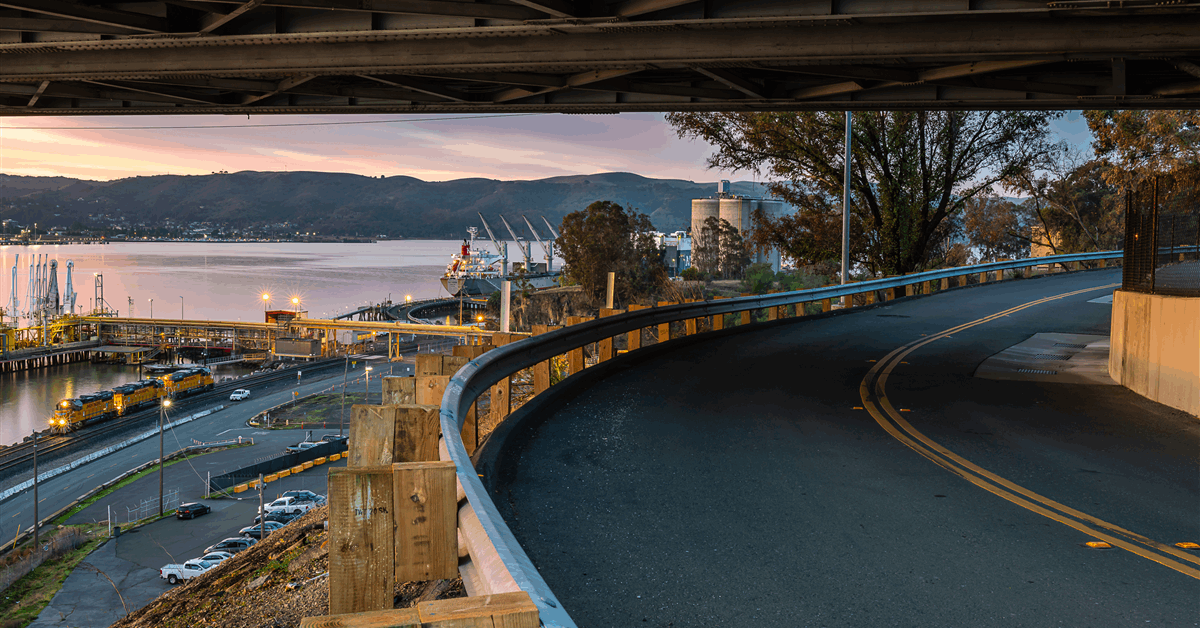
Valero Energy Corp. plans to shut its refinery in Benicia in April, part of a wave of refinery closures across California as the state shifts away from fossil fuels. Newsom is counting on increased imports to ensure gas prices don’t soar, and his administration is exploring the Valero site — which is connected to a marine port — as a potential storage hub, said Benicia Mayor Steve Young.
The idea, however, doesn’t sit well with Young or other leaders in this community of 27,000, which relies on the refinery for jobs and taxes. If Valero can’t be persuaded to keep the refinery open, he would rather redevelop the site to attract a new industry, or fill it with retail and housing.
“We’re going to put up whatever resistance we can,” Young said in an interview. Making the site a fuel storage hub “is a terrible situation, because there are no jobs, there are no taxes and you have continuous emissions from tankers.”
Young and the governor’s staff discussed the idea in meetings last month, he said, with state officials asking if the city would accept a storage facility for up to 20 years. No formal proposal has been submitted to the city, he said. Young also warned that Benicia could push forward a ballot measure to tax gasoline imports, if necessary.
The governor’s office said they “remain engaged with all interested and impacted stakeholders,” declining to comment further. Valero, based in San Antonio, Texas, didn’t respond to requests for comment.
California has seen its fleet of refineries shrink as the state moves to renewable power and electric vehicles in the fight against climate change. Should Benicia shutter operations in April as planned, one-fifth of California’s refining capacity will have disappeared in a six-month period, after Phillips 66 wound down operations at its Los Angeles plant in October. Any impact on gas prices could pose a problem for Democrat Newsom, who is weighing a presidential run.
One way to prevent price surges is importing more gasoline from countries such as South Korea and India. California regulations require unique, pollution-fighting gasoline blends — not used in other states — that are made by only a small number of plants around the world.
“Things are going to get pretty dicey, pretty quickly,” said Ryan Cummings, chief of staff at the Stanford Institute for Economic Policy Research. “If there’s no increase in import capacity to replace that lost production — especially as you’re heading into the summer peak driving season — then you’re going to see a material increase in prices.”
Newsom has tried to stop the Benicia refinery from closing, so far without success. Siva Gunda, vice chair of the California Energy Commission, has repeatedly flown to Texas over the past year to meet with Valero executives and others in the oil industry.
California lawmakers also sought a deal, but negotiations collapsed after Valero asked for more than $400 million in public funds, said state Senator Tim Grayson, who participated in the talks. The state was being “held hostage“ by Valero, he said.
Benicia, meanwhile, is facing a budget crisis with the refinery’s loss. The town is looking for stopgap funds to avoid dramatic cuts to core services, Young said.
“It’s existential for Benicia,” Cummings said.
WHAT DO YOU THINK?
Generated by readers, the comments included herein do not reflect the views and opinions of Rigzone. All comments are subject to editorial review. Off-topic, inappropriate or insulting comments will be removed.