Recurring license fees may have dissuaded enterprises from adopting AIOps in the past, but that’s changing, Morgan adds: “Over the past few years, vendors have added features and increased the value of those licenses, including 24×7 support. Now, by paying the equivalent of a fraction of a network engineer’s salary in license fees, a mid-sized enterprise can reduce hours spent on operations and level-one support in order to allocate more of their valuable networking experts’ time to AI projects. Every enterprise’s business case will be different, but with networking expertise in high demand, we predict that in 2026, the labor savings will outweigh the additional license costs for the majority of mid-to-large sized enterprises.”
2. AI boosts data center networking investments
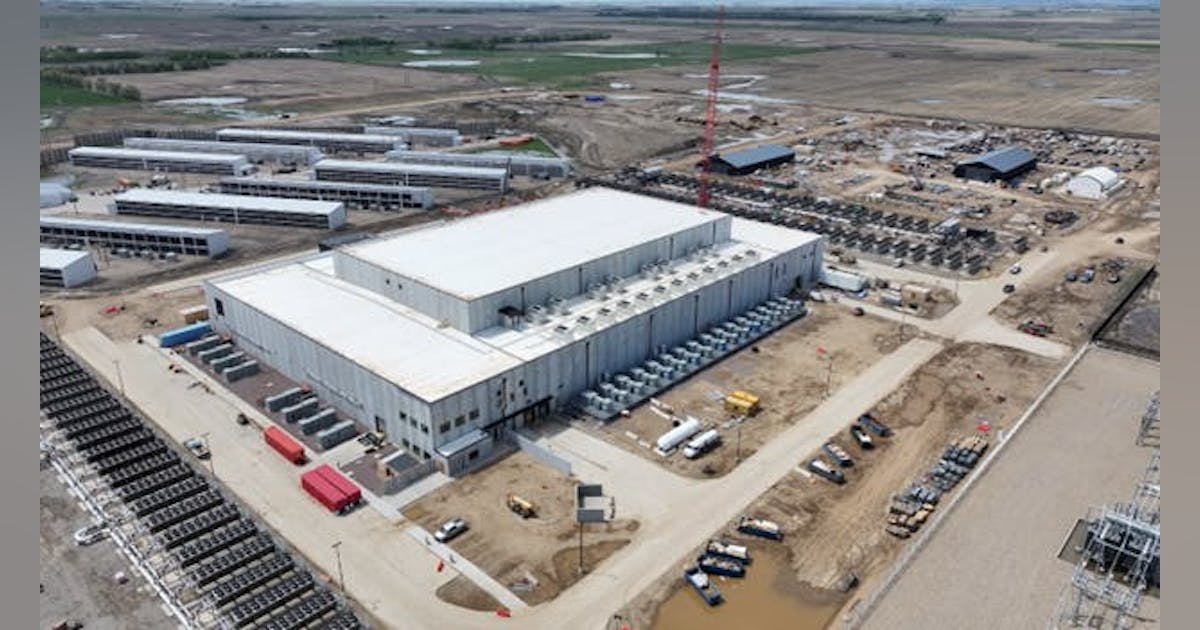
Enterprise data centers, which not so long ago were on the endangered species list, have made a remarkable comeback, driven by the reality that many AI workloads need to be hosted on premises, either for privacy, security, regulatory, latency or cost considerations.
The global market for data center networking technologies was estimated at around $46 billion in 2025 and is projected to reach $103 billion by the end of 2030, a growth rate of nearly 18%, according to BCC Research: “The data center networking technologies market is rapidly changing due to increasing use of AI-powered solutions across data centers and sectors like telecom, IT, banking, financial services, insurance, government and commercial industries.”
McKinsey predicts that global demand for data center capacity could nearly triple by 2030, with about 70% of that demand coming from AI workloads. McKinsey says both training and inference workloads are contributing to data center growth, with inference expected to become the dominant workload by 2030.
3. Private clouds roll in
Clearly, the hyperscalers are driving most of the new data center construction, but enterprises are also investing heavily in new data center capacity.
“In response to rising AI costs, data lock-in, and operational risk, at least 15% of enterprises will shift toward private AI deployments built atop private clouds in 2026,” says Forrester analyst Lee Sustar.