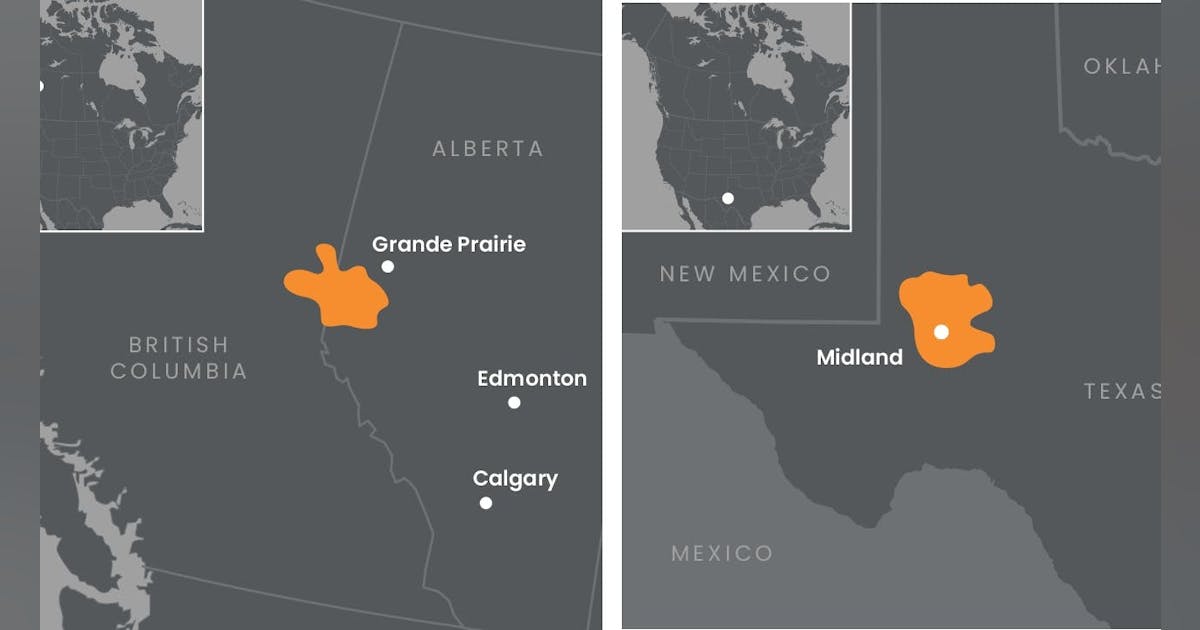
ExxonMobil Corp., Houston, is looking to grow production in the Permian basin to about 2.5 MMboe/d by 2030, an increase of 200,000 boe/d from executives’ previous forecasts and a jump of more than 45% from this year’s output.
Helping drive that higher target is an expected 2030 cost profile that will be 10% lower than earlier guidance, thanks partly to efficiencies from combining operations with the former Pioneer Natural Resources.
The new mid-term Permian outlook was part of a broader update from Darren Woods, chairman and chief executive officer, and his team that lifted ExxonMobil’s global earnings and cash flow growth targets through 2030 by $5 billion from their year-ago iteration. Woods pointed out that the expected increase will require no more capital spending than before.
By 2030, Woods and his lieutenants expect ExxonMobil’s upstream operations to produce 5.5 million boe/d around the world, with 65% of that coming from what they call their “advantaged” upstream assets in the Permian and Guyana as well as ExxonMobil’s LNG business.
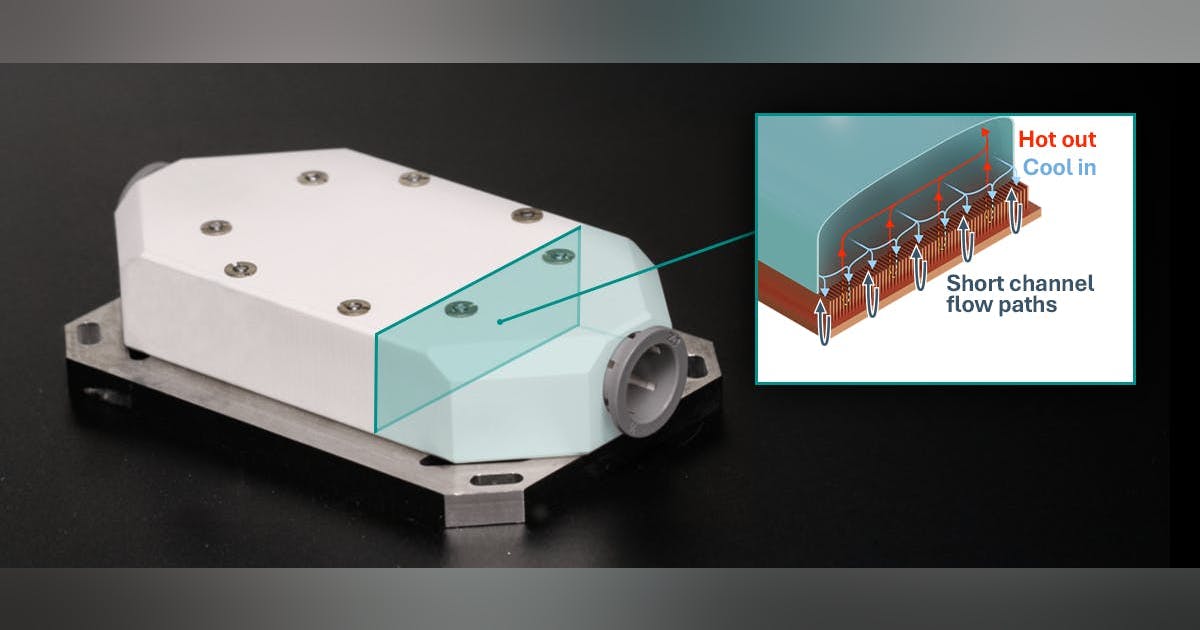
While the Permian will account for about 45% of 2030 total output, executives are looking for the basin to lead the way on profitability. Of the incremental $5 billion in expected upstream earnings growth, some 60% will come from both higher volumes and greater efficiencies (from greater use of lightweight proppants and dozens of other technologies) in the Permian that should lower the company’s cost of supply to about $30/bbl.
“Just last year, we were planning on roughly 30% higher resource recovery by 2030 versus 2019,” executives wrote in prepared remarks published Dec. 9. “With the progress we’ve made over the past year, we now expect around 50% higher recovery by 2030 for the new wells we drill and frac—halfway to our goal of doubling recovery.”