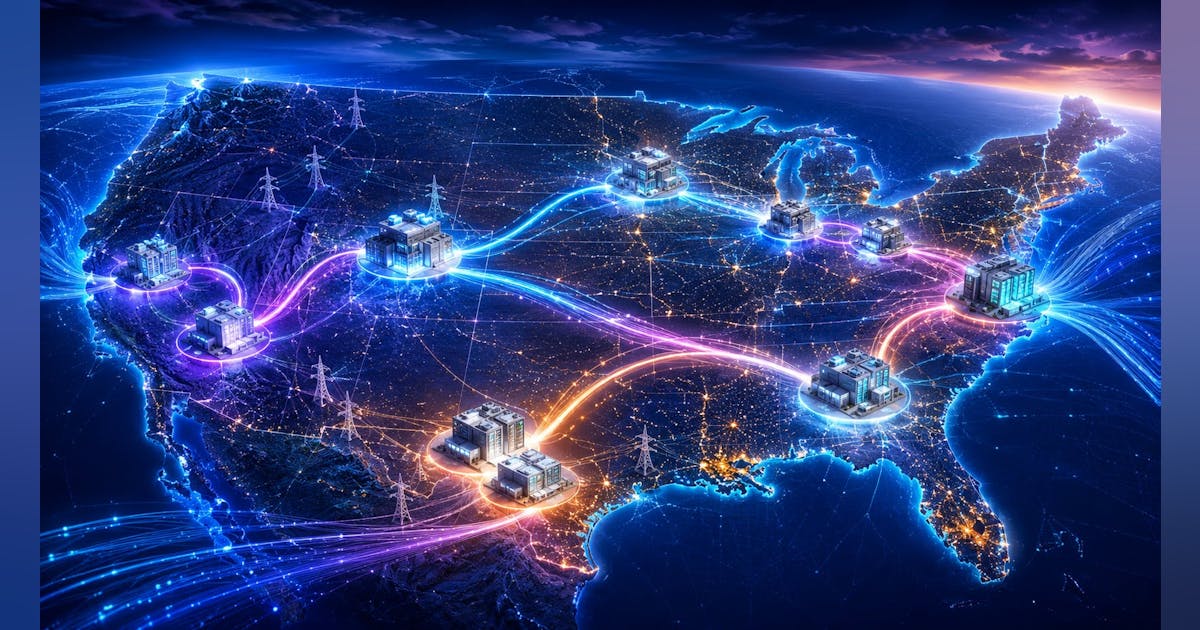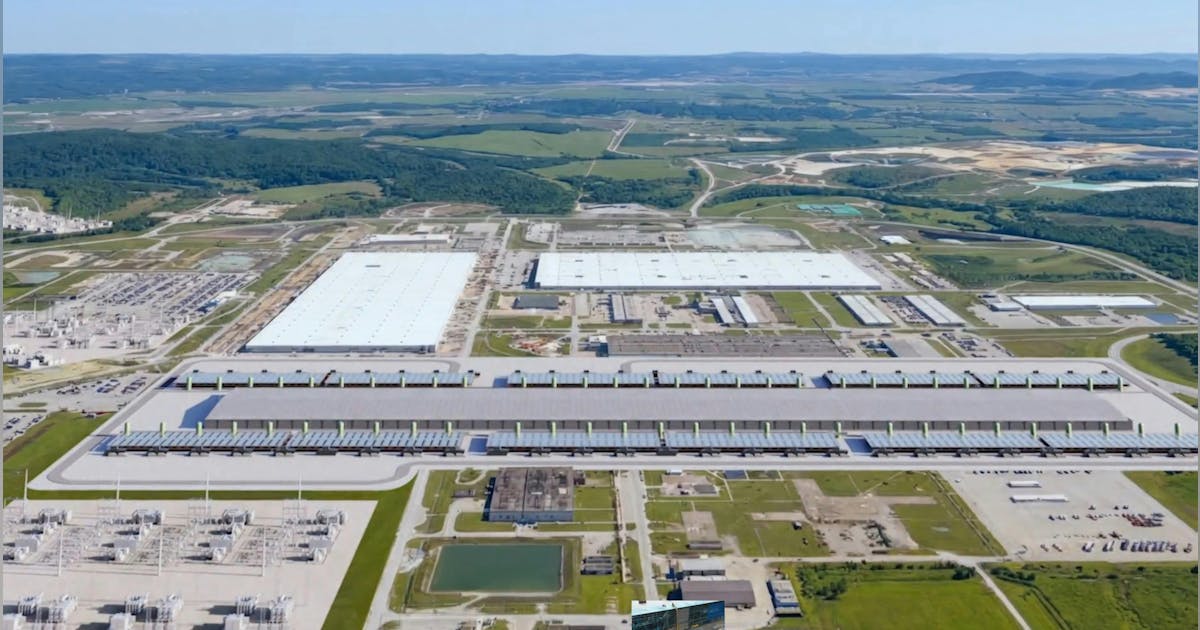
At that scale, infrastructure constraints are becoming a binding limit on AI expansion, influencing decisions like where new data centers can be built and how they are interconnected.
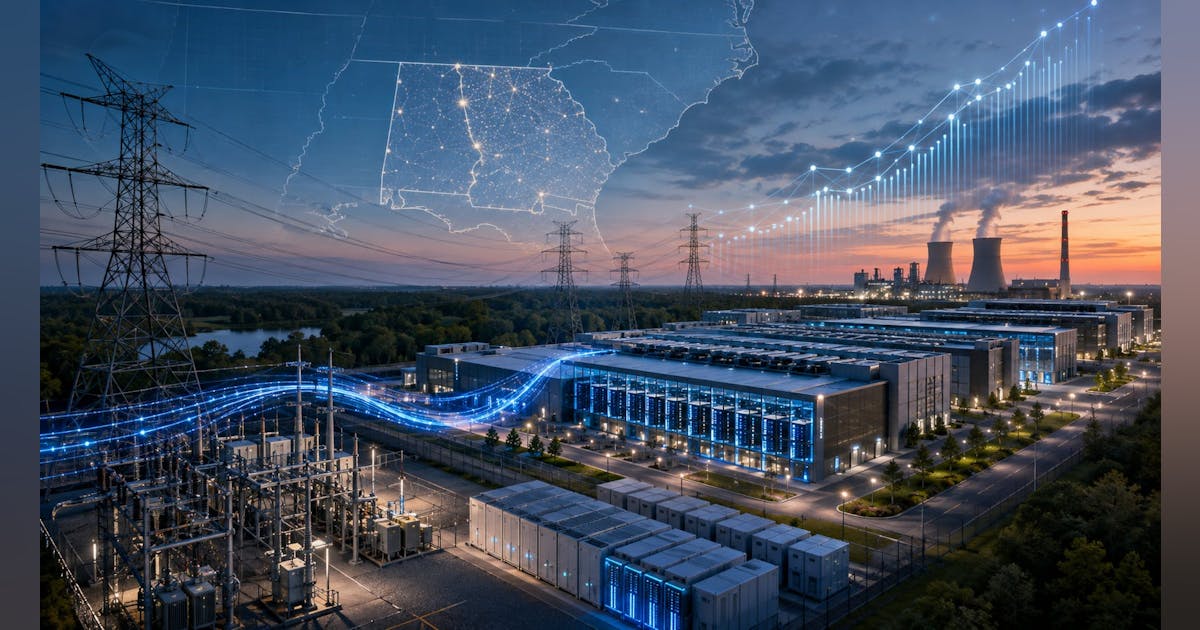
The announcement follows Meta’s recent landmark agreements with Vistra, TerraPower, and Oklo aimed at supporting access to up to 6.6 gigawatts of nuclear energy to fuel its Ohio and Pennsylvania data center clusters.
Implications for hyperscale networking
Analysts say Meta’s approach indicates how hyperscalers are increasingly treating networking and interconnect strategy as first-order concerns in the AI race.
Tulika Sheel, senior vice president at Kadence International, said that Meta’s initiative signals that hyperscale networking will need to evolve rapidly to handle massive internal data flows with high bandwidth and ultra-low latency.
“As data centers grow in size and GPU density, pressure on networking and optical supply chains will intensify, driving demand for more advanced interconnects and faster fiber,” Sheel added.
Others pointed to the potential architectural shifts from this.
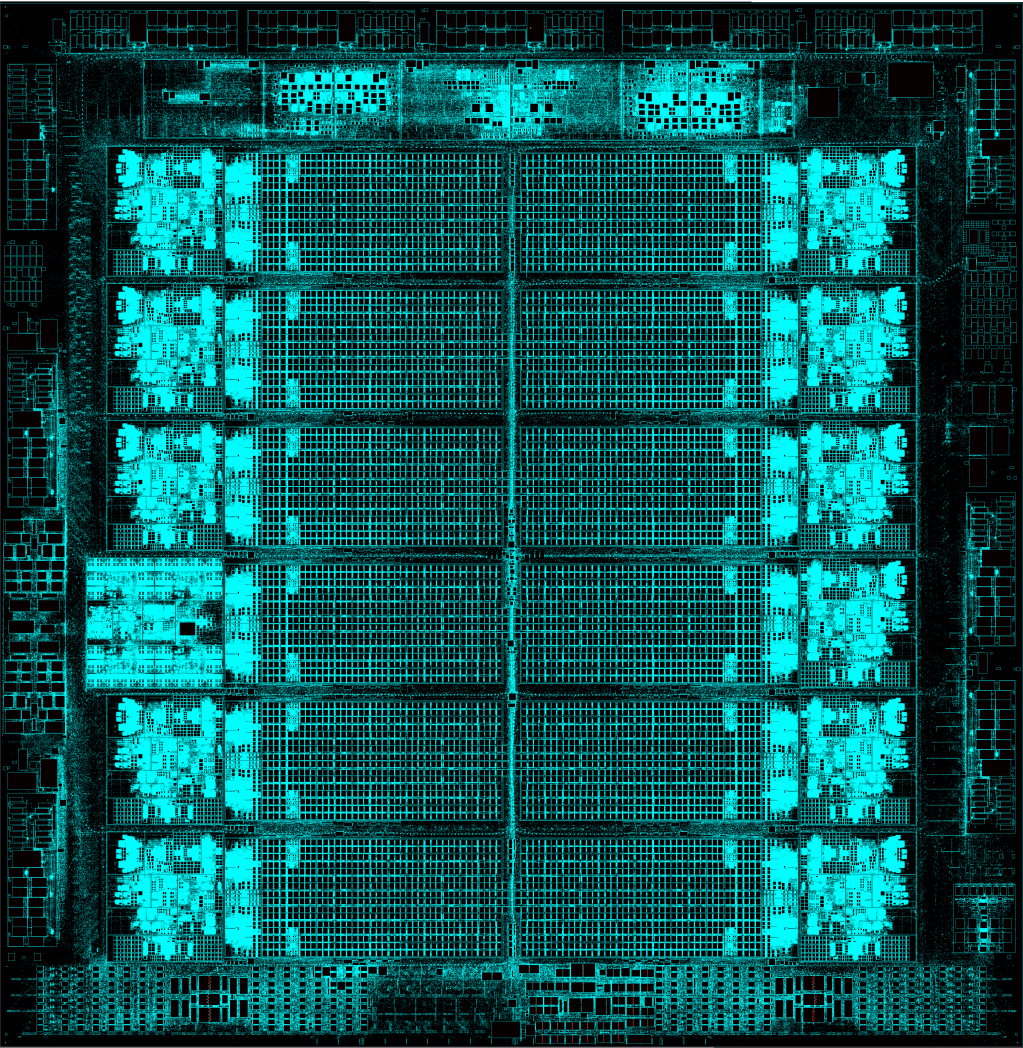
“Meta is using Disaggregated Scheduled Fabric and Non-Scheduled Fabric, along with new 51 Tbps switches and Ethernet for Scale-Up Networking, which is intensifying pressure on switch silicon, optical modules, and open rack standards,” said Biswajeet Mahapatra, principal analyst at Forrester. “This shift is forcing the ecosystem to deliver faster optical interconnects and greater fiber capacity, as Meta targets significant backbone growth and more specialized short-reach and coherent optical technologies to support cluster expansion.”
The network is no longer a secondary pipe but a primary constraint. Next-generation connectivity, Sheel said, is becoming as critical as access to compute itself, as hyperscalers look to avoid network bottlenecks in large-scale AI deployments.