Physical AI: A Reusable Robotics Stack for Data Center Operations
This is where the recent collaboration between Multiply Labs and NVIDIA becomes relevant, even though the application is biomanufacturing rather than data centers.
Multiply Labs has outlined a robotics approach built on three core elements:
-
Digital twins using NVIDIA Isaac Sim to model hardware and validate changes in simulation before deployment.
-
Foundation-model-based skill learning via NVIDIA Isaac GR00T, enabling robots to generalize tasks rather than rely on brittle, hard-coded behaviors.
-
Perception pipelines including FoundationPose and FoundationStereo, that convert expert demonstrations into structured training data.
Taken together, this represents a reusable blueprint for data center robotics.
Applying the Lesson to Data Center Environments
The same physical-AI techniques now being applied in lab and manufacturing environments map cleanly onto the realities of data center operations, particularly where safety, uptime, and variability intersect.
Digital-twin-first deployment
Before a robot ever enters a live data hall, it needs to be trained in simulation. That means modeling aisle geometry, obstacles, rack layouts, reflective surfaces, and lighting variation; along with “what if” scenarios such as blocked aisles, emergency egress conditions, ladders left in place, or spill events. Simulation-first workflows make it possible to validate behavior and edge cases before introducing any new system into a production environment.
Skill learning beats hard-coded rules
Data centers appear structured, but in practice they are full of variability: temporary cabling, staged parts, mixed-vendor racks, and countless human exceptions. Foundation-model approaches to manipulation are designed to generalize across that messiness far better than traditional rule-based automation, which tends to break when conditions drift even slightly from the expected state.
Imitation learning captures tribal knowledge
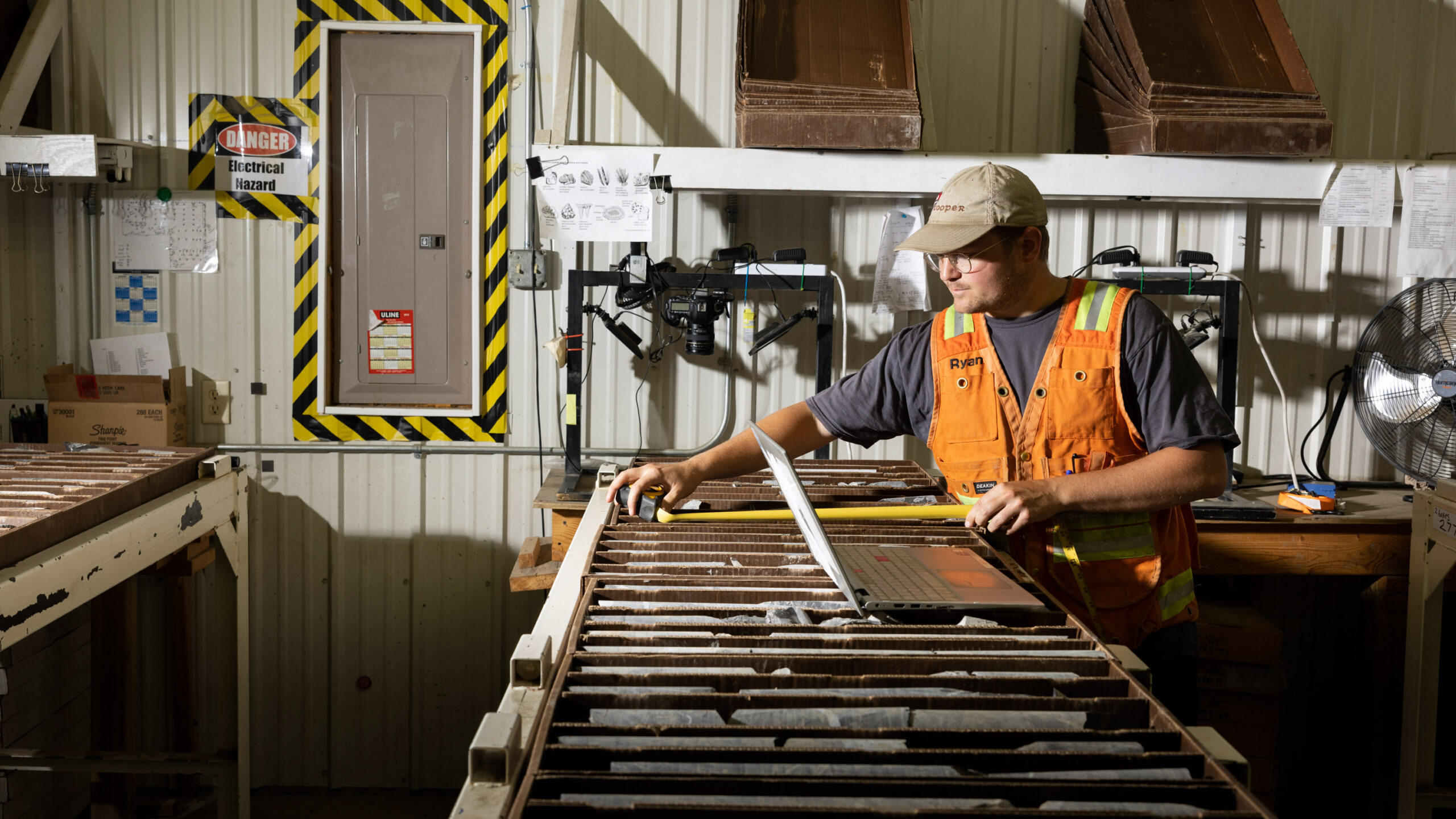
Many operational tasks rely on tacit expertise developed over years in the field, such as how to manage stiff patch cords, visually confirm latch engagement, or stage a component swap without risking an accidental disconnect. Turning expert demonstrations into training data allows that tribal knowledge to be encoded, shared, and eventually scaled through robotic systems.
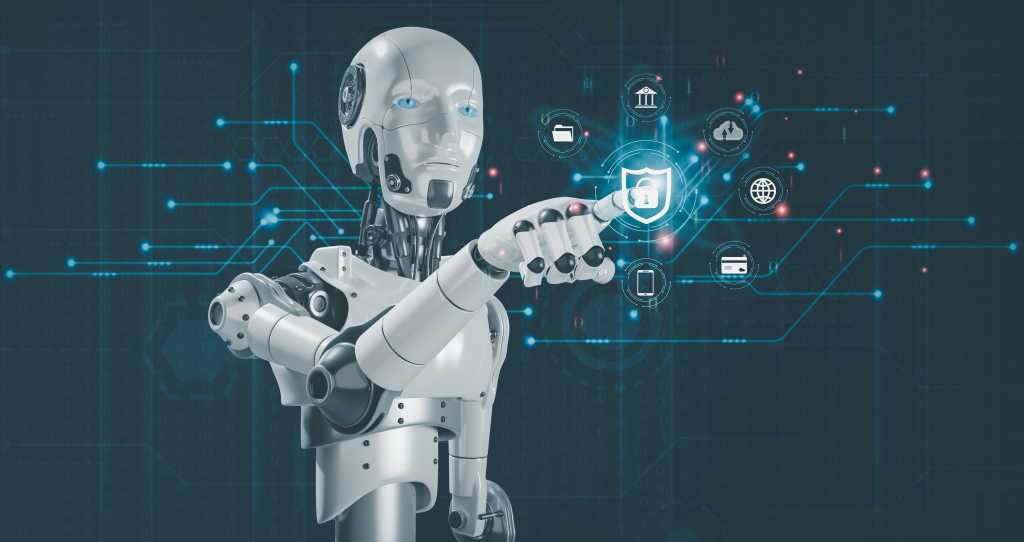
Stepping back, this reflects a broader shift in physical AI: robots moving beyond deterministic, repetitive motion toward systems that can perceive context, adapt to change, and operate safely in dynamic, human-designed environments like the data center.
An Emerging Robotics Roadmap for AI Data Centers
Taken together, recent developments point to a phased adoption curve for robotics in data centers; one that starts with construction acceleration, moves through sensing and patrol in live facilities, and ultimately reshapes how data centers themselves are designed.
Phase 1: Construction acceleration (now)
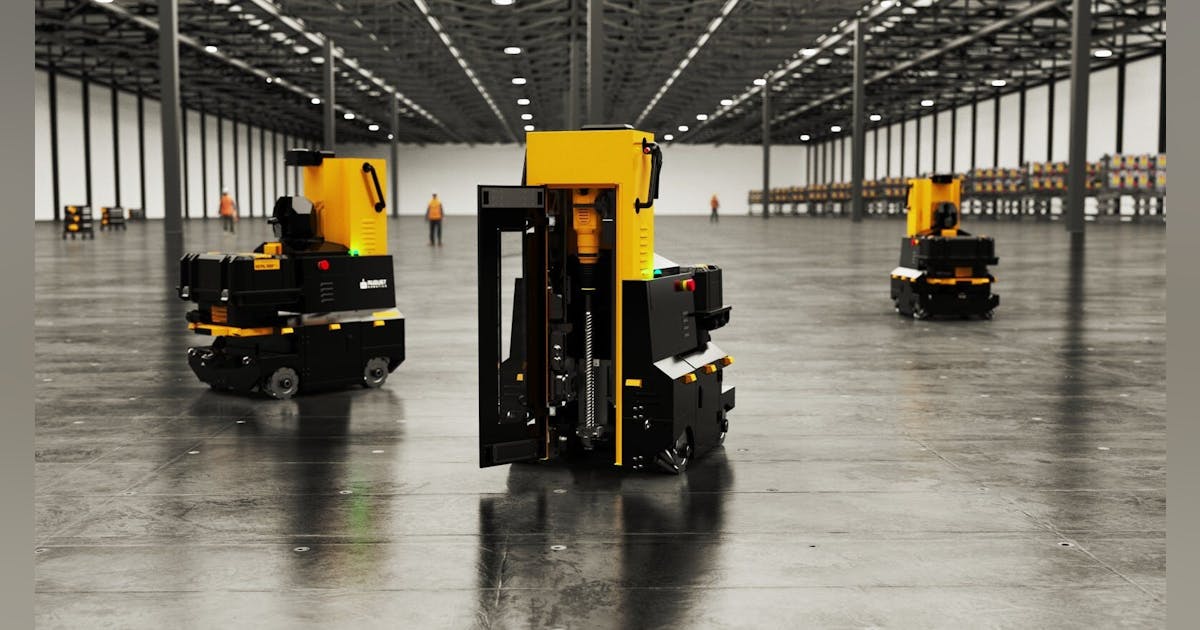
Fleet-based drilling, exemplified by DEWALT and August Robotics, establishes the model: high-volume, repeatable, and measurable work applied directly to the construction critical path, with immediate and defensible schedule impact.
Phase 2: Operations sensing and patrol (12–24 months)
Inspection and patrol robotics move into live facilities, integrated with DCIM, BMS, and security platforms. These systems emphasize perception over manipulation and are increasingly delivered via robotics-as-a-service (RaaS) to limit operational risk and improve flexibility.
Phase 3: Manipulation in the white space (24–48 months)
Basic “smart hands” tasks progress from teleoperation toward partial autonomy as digital twins, simulation, and foundation-model skill learning mature, following the physical-AI playbook illustrated by Multiply Labs and NVIDIA.
Phase 4: Facilities designed for robots (multi-year)
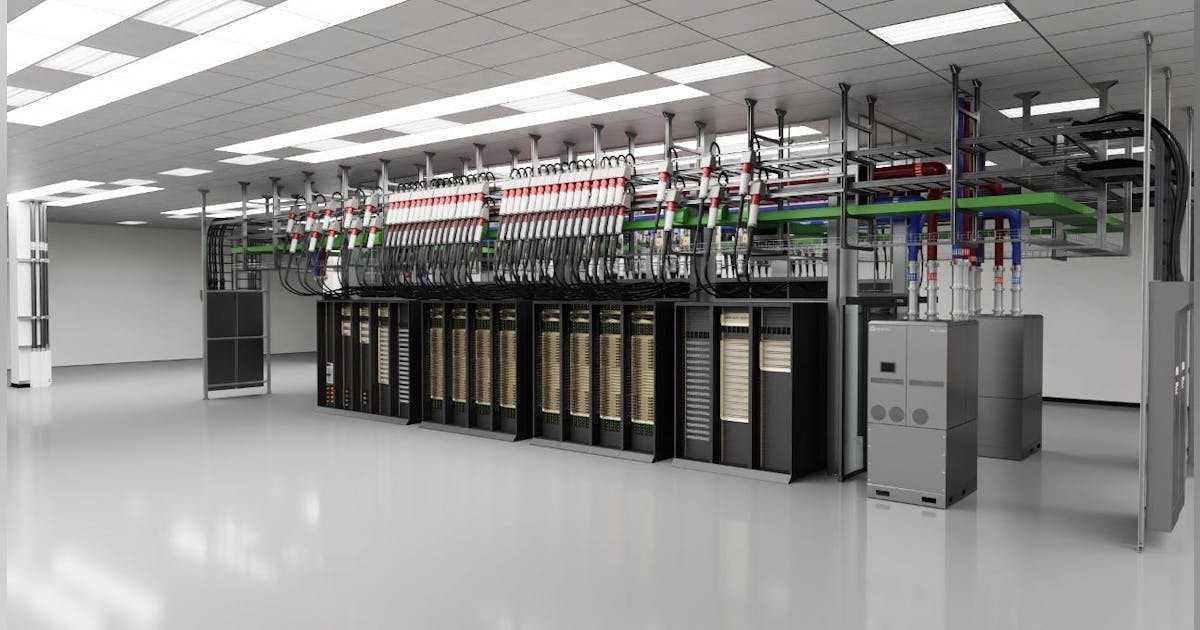
Over time, data centers themselves evolve to accommodate robotics: standardized rack geometries, fiducials, robot-safe aisles, and clearly defined, robot-accessible MEP maintenance points; mirroring the path warehouses followed once automation consistently proved its return on investment.