In a statement posted on ADNOC’s website recently, ADNOC and Abu Dhabi National Energy Company PJSC (TAQA) announced the signing of a 27 year utilities purchase agreement to supply “critical utilities” to the TA’ZIZ Industrial Chemicals Zone in Ruwais Industrial City, Abu Dhabi.
The value of the deal was not disclosed in the statement, which noted that the duration of the agreement includes the offtake of the utilities and construction of the plant.
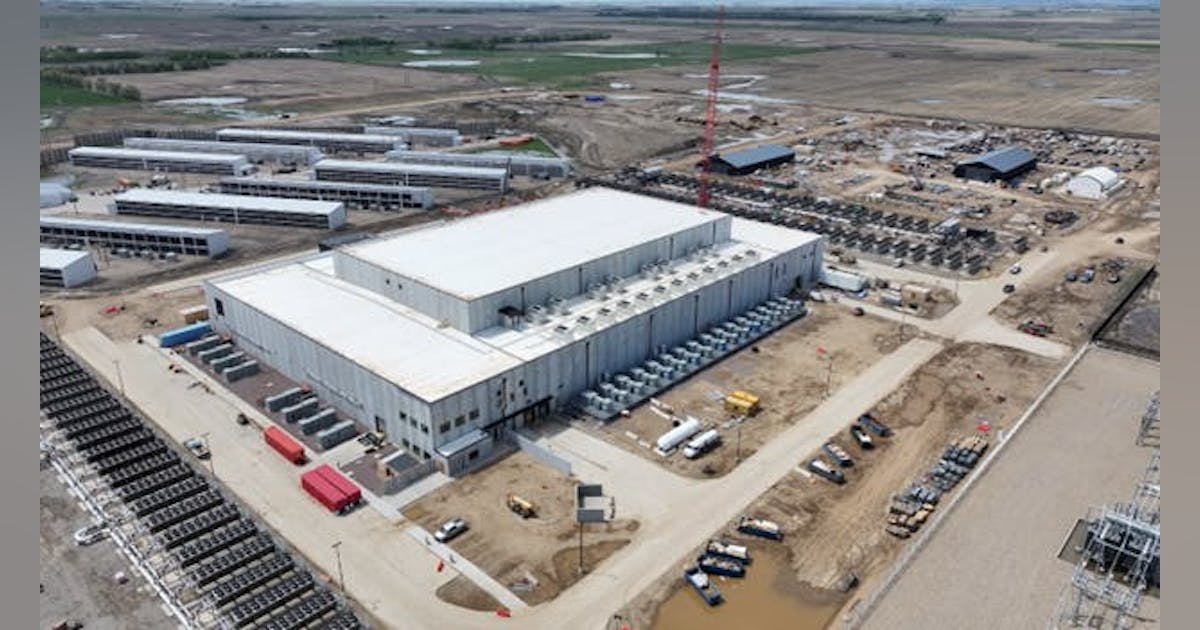
Under the deal, ADNOC and TAQA will jointly develop the central utilities project, including the electricity grid connection, steam production, process cooling, and a range of water and wastewater utilities required to enable TA’ZIZ’s chemicals and transition-fuels projects, the statement revealed.
The statement said TA’ZIZ, which is a joint venture between ADNOC and ADQ, will set up and own a service management company which will be the sole offtaker of the utilities, “providing a stable foundation for efficient industrial activity within the TA’ZIZ Industrial Chemicals Zone”.
The statement noted that the agreement “marks a significant milestone in the development of the TA’ZIZ ecosystem”.
“TA’ZIZ is set to accelerate the UAE’s industrial diversification and is set to produce 4.7 million tons per annum (MTPA) commencing in 2028. This will include methanol, low-carbon ammonia, polyvinyl chloride (PVC), ethylene dichloride (EDC), vinyl chloride monomer (VCM), and caustic soda,” it added.
“TAQA’s Generation business continues to expand its regional portfolio with several major projects, including the 1-gigawatt Al Dhafra Gas Turbine project in the UAE and 3.6 GW new high-efficiency power plants – Rumah 2 IPP and Al Nairyah 2 IPP – in Saudi Arabia, being developed alongside partners JERA and AlBawani,” it continued.
In the statement, Farid Al Awlaqi, Chief Executive Officer of TAQA’s Generation business, said, “this agreement strengthens TAQA’s role in enabling industrial growth in the UAE by providing reliable and efficient utility infrastructure to service TA’ZIZ chemicals and transition-fuels production”.
“Through this long-term partnership with ADNOC, we are supporting the diversification of Abu Dhabi’s economy and investing in strategic and sustainable infrastructure that will contribute to GDP growth. ADNOC and TAQA both have a proven track record in the energy sector and together are developing a world-class facility in Ruwais,” he added.
Mashal Al-Kindi, Chief Executive Officer of TA’ZIZ, said in the statement, “this multi year agreement with TAQA is a pivotal step in advancing TA’ZIZ’s long term vision, driving sustainable growth and strengthening the UAE’s industrial base”.
“Reliable and efficient utilities remain central to our value proposition, providing industry leaders with the stable infrastructure essential for world scale chemicals and transition fuels manufacturing,” Al-Kindi added.
In a statement posted on its site last week, ADNOC highlighted that Sultan Al Jaber, UAE Minister of Industry and Advanced Technology, and Managing Director and Group CEO of ADNOC, said reliable partnerships are the real strategic reserve and that he urged leaders “to look beyond short-term volatility to the transformative opportunity of rising global energy demand”.
ADNOC describes itself on its site as a leading diversified energy group, wholly owned by the Abu Dhabi Government.
“Our network of fully integrated businesses operates across the energy value chain, helping us to responsibly meet the demands of an ever-changing energy market,” the company notes on its site.
“Already in the top tier of the lowest carbon intensity oil and gas producers in the world, we are taking significant steps to make today’s energy cleaner while investing in the clean energies of tomorrow, strengthening our position as a reliable and responsible global energy provider,” it adds.
“We are allocating an initial $23 billion to advance and accelerate lower-carbon solutions, investing in new energies and decarbonization technologies to enable our net zero by 2045 ambition and our commitment to zero methane emissions by 2030,” it continues.
To contact the author, email [email protected]