4. Sovereignty, trust, and the rise of sovereign AI
In EMEA, trust and sovereignty were more than talk—they were central to almost every discussion. This came across loud and clear at the event and in Davos in January. Cisco emphasized four dimensions of trust: security, innovation, execution, and sovereign control.
The keynote highlighted Cisco’s “sovereign critical infrastructure” for EMEA, which includes a legal commitment that specific on‑prem products are fully air‑gapped, with no back doors, and will continue to function during crises. Robbins told investors that European customers are showing “strong interest” in this sovereign portfolio to keep sensitive data and critical infrastructure under local control amidst growing privacy, data governance and regulatory concerns.
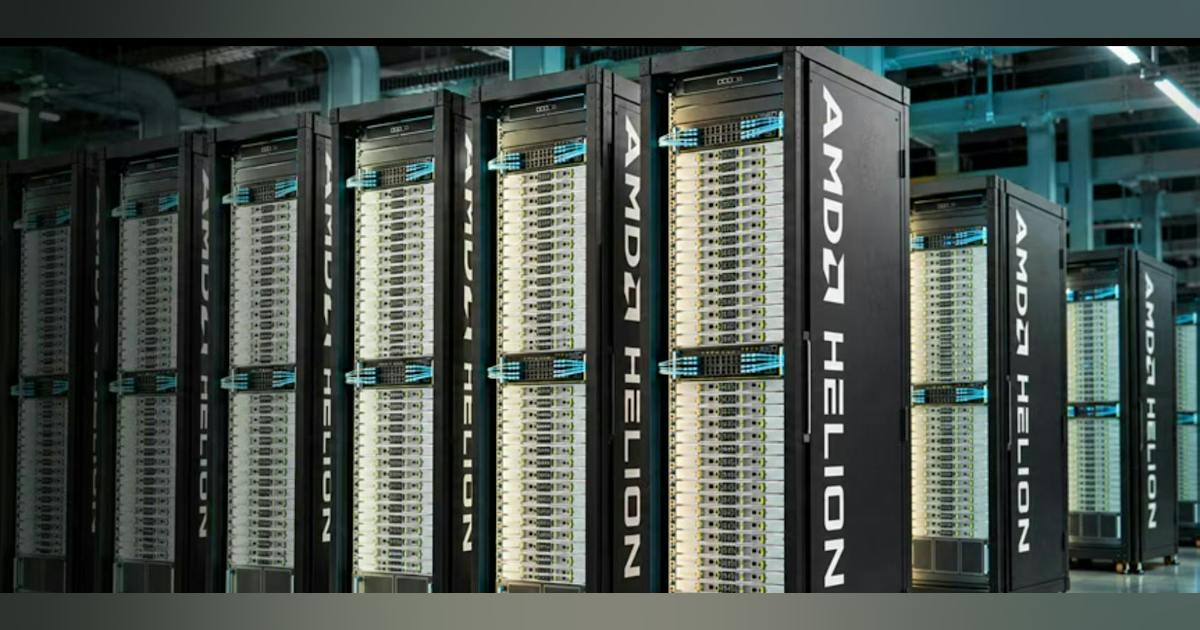
On the AI side, sovereignty is becoming a meaningful growth vector. Beyond hyperscalers, Cisco booked 350 million in AI orders in Q2 from neocloud, sovereign, and enterprise customers, and it sees a pipeline over $2.5 billion for high‑performance AI infrastructure in these segments. Cisco also announced plans for a joint venture with AMD and Humane.
Patel framed sovereignty as one more reason Cisco can differentiate: Its combination of in‑house silicon, optics, systems, security and observability, coupled with local engineering centers and legal commitments, is pitched to give governments and large enterprises a vendor that can meet stringent sovereignty requirements without sacrificing performance.
This concept came up in an analyst Q&A session with Cisco’s Guy Diedrich, senior vice president and global innovation officer. Diedrich explained that the work Cisco does with governments and big brands around the world has created a situation where it’s one of the most trusted tech brands, and I agree with this sentiment. The more political distrust there is, the more it favors a company like Cisco. Robbins summed up that thought: “As AI adoption accelerates, concerns over privacy, data governance, and regulatory compliance are top of mind for our customers, making sovereign solutions an essential foundation for building digital trust.”
5. Security woven into the fabric, not bolted on
The “trust deficit” was identified as a major impediment to AI adoption. In Amsterdam, Cisco demonstrated how it is fusing security directly into the network fabric. The lead innovation is Hypershield and the ability to run security enforcement on a smart switch without adding latency.