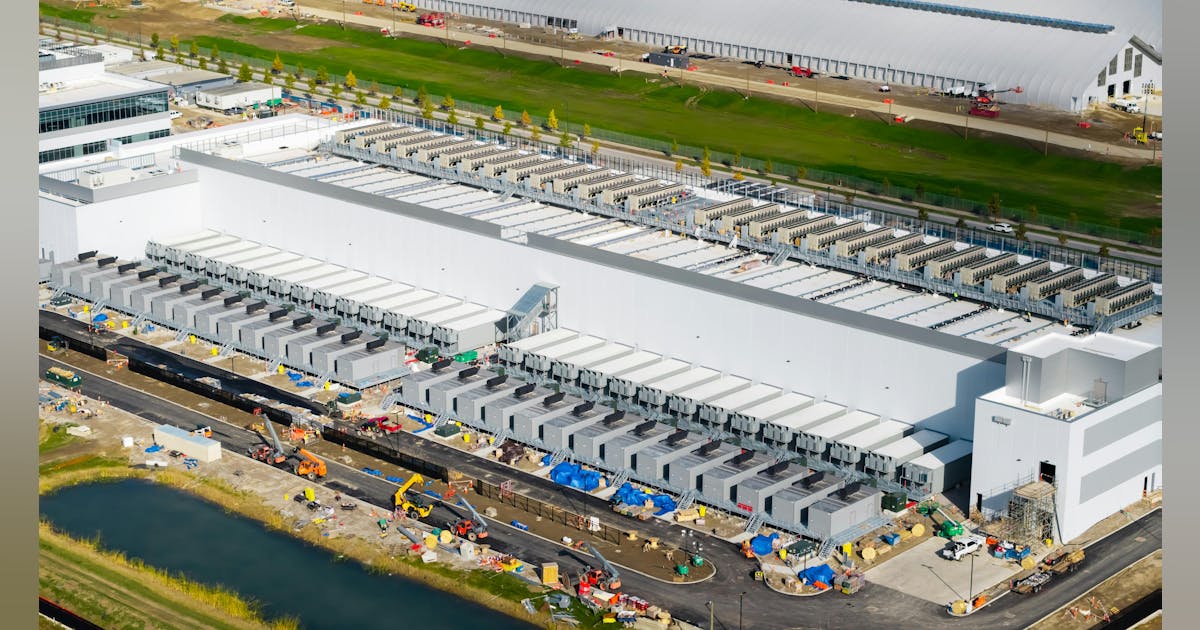
The researchers also made use of a database provided by the International Energy Agency (IEA) that the authors pointed out contains more than 11,000 locations worldwide, of which 8,472 have been detected to dwell outside of highly dense urban areas. The latter locations were then used to “quantify the effect of data centers on the environment in terms of the LST gradient that could be measured on the areas surrounding each data center.”
Asking the wrong question
Asked if AI data centers are really causing local warming, or if this phenomenon is overstated, Sanchit Vir Gogia, chief analyst at Greyhound Research, said, “the signal is real, but the industry is asking the wrong question. The research shows a consistent rise in land surface temperature of around 2°C following the establishment of large data centre facilities.”
The debate, however, “has quickly shifted to causality: whether this is driven by operational heat from compute, or by land transformation during construction. That distinction matters scientifically, but it does not change the strategic implication.”
Land surface temperature, said Gogia, is not the same as air temperature, and that gap will be used to challenge the findings. “But dismissing the signal on that basis would be a mistake,” he noted. “Data centers concentrate energy use, replace natural surfaces with heat-retaining materials, and continuously reject heat into the environment. Those are known drivers of thermal change.”
He added, “the uncomfortable truth is this: Even if the exact mechanism is debated, the outcome aligns with first principles. Infrastructure at this scale alters its surroundings. The industry does not yet have a clean way to separate construction impact from operational impact, and that ambiguity makes the risk harder to model, not easier. This is not overstated, it is under-interpreted.”
Location strategy must change
But will the findings change how hyperscalers and enterprises should choose data center locations? Gogia said that location strategy is no longer just about access — it is about sustainability of conditions over time.