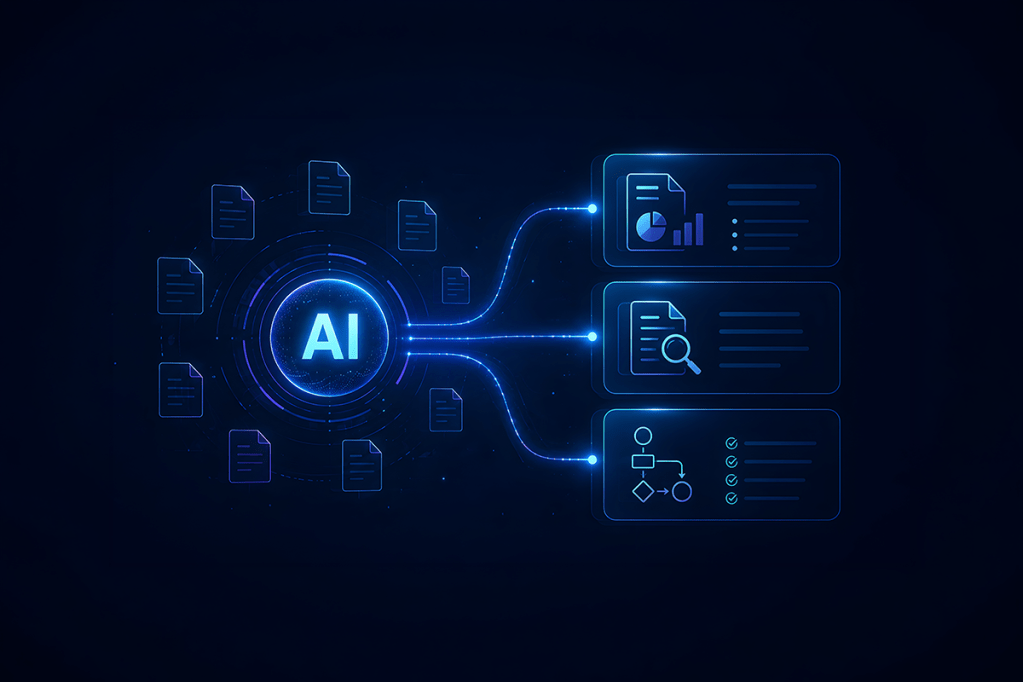
The e-book draws an important distinction between two approaches that share the label. One emulates the network by running the actual device firmware against specific test scenarios. The other builds a deterministic mathematical model from the network’s configuration and state, computing all possible forwarding behaviors at once. The guide sums up the difference well: “An emulated replica tells you what happened when you tested it. A mathematical model tells you what will happen, for every path, every time.”
A digital twin also isn’t observability. Monitoring tools tell you what’s happening at specific points right now. A digital twin answers a different question: Given everything configured across every vendor, cloud, and layer, where can traffic actually go, and does that align with the business’s intent? Observability tells you the patient’s vital signs. The twin is closer to a full-body scan.
The problem with legacy network operations
Every network starts with a design that reflects the architects’ intended connectivity, security, and resilience. The moment it goes live, reality begins to drift from that design. Devices are added, rules are modified, exceptions pile up, and documentation falls behind. Forward calls this the “intent-reality gap,” and anyone who has inherited a firewall rule base with thousands of entries knows it well.