I live in a dense city with plentiful public transportation options and limited parking, so I don’t own a car. I’m often utterly clueless about the current price of gasoline.
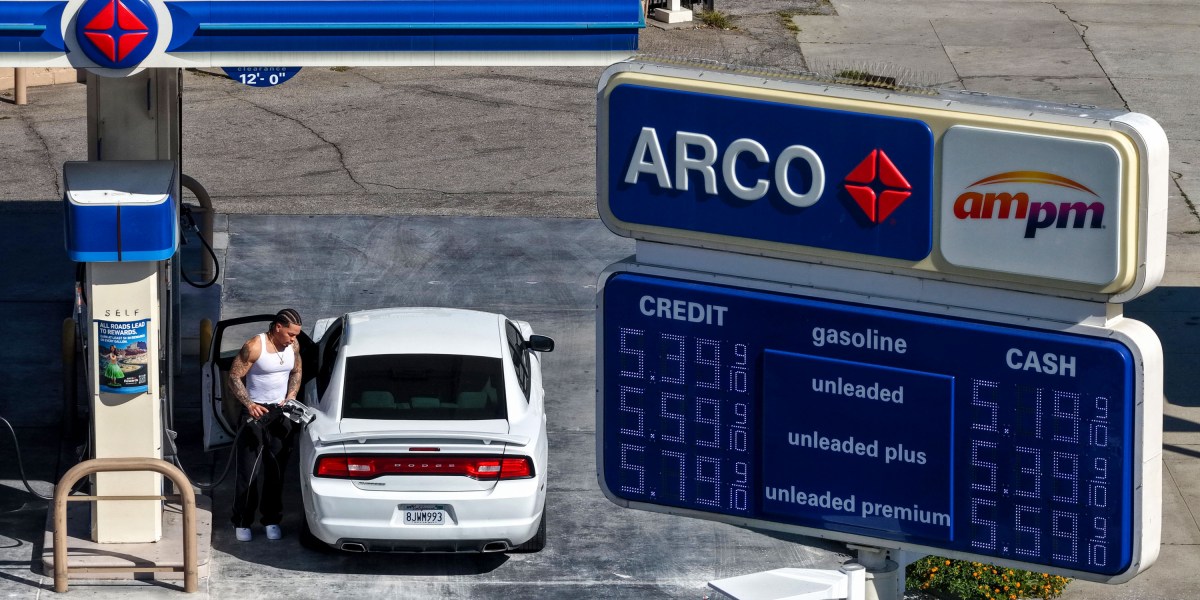
But as the conflict in Iran has escalated, fossil-fuel prices have been on a roller-coaster, and I’ve started paying attention. In the US, average gas prices are $3.98 a gallon as of March 25, up from under $3 before the war started.
Online there’s been what almost looks like cheerleading about this volatility from some folks, including EV owners—some of the social media posts and op-eds have read as nearly gleeful. The subtext (or even the text) is “I told you so.”
Don’t get me wrong—this could be an opportunity for EVs to make headway around the world. But there are plenty of reasons that even the carless among us should be concerned about a sustained rise in fossil-fuel prices.
Historically, this is exactly the sort of moment that’s pushed people to reevaluate how they get around. During the oil crisis of the 1970s, Americans switched to smaller, more efficient cars in droves. It was a major opportunity for Japanese automakers, whose vehicles tended to fit this mold better than those produced by their US counterparts.
We’re already seeing early signs that people are interested in going electric. One US-based online car marketplace said that search traffic for EVs was up 20% following the initial attack on Iran. For more popular models like the Tesla Model Y, traffic nearly doubled.
And the interest is global. One car dealership outside London said it’s struggling to keep up with demand and is sending staff to buy more EVs at auction, according to Reuters. Another in Manila told Bloomberg that it got a month’s worth of orders in two weeks.
The timing here is really interesting in the US in particular, because we’re about to see a wave of more affordable used EVs hit the market. Three years ago, a leasing boom started with the Inflation Reduction Act, which included incentives for EVs, including leases. About 300,000 such leases are set to expire this year, and many of those vehicles could come up for sale, increasing the available supply of affordable used EVs.
The interest is there, but what would it really take for more drivers to make the switch?
Nice, round numbers do tend to get people’s attention. Some point to $4 per gallon (which the national average is quite close to right now). At that price, the total cost of ownership for an EV is comfortably lower than the cost for a gas-powered car, even with higher electricity prices, according to data from the energy consultancy BloombergNEF.
Then again, maybe that won’t quite do the trick: One survey from Cox Automotive found that most US consumers would consider switching to an EV or hybrid if gas prices hit $6 per gallon.
But this is also the second big incident of fossil-fuel volatility in the last five years, which could make consumers more ready to make the switch, as Elaine Buckberg, a senior fellow at Harvard, told Bloomberg. (The first was in the summer of 2022 when Russia invaded Ukraine.)
I’m a climate and energy reporter, and I care about addressing climate change. So I’m always happy to hear about people shifting to EVs or any other option that helps cut down on greenhouse-gas emissions.
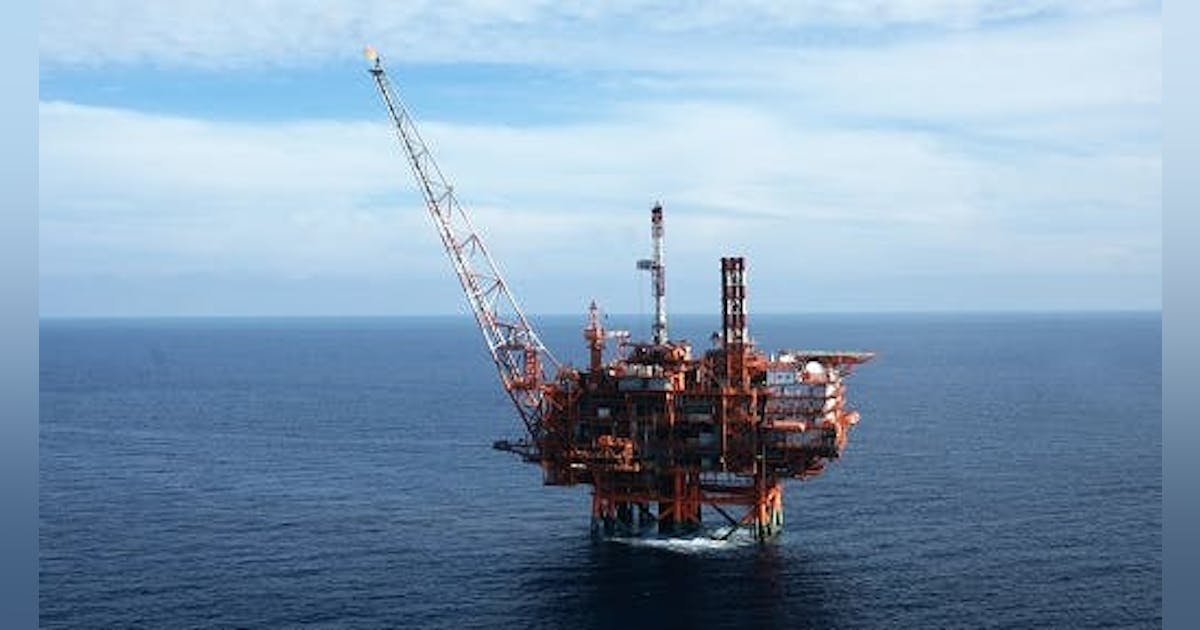
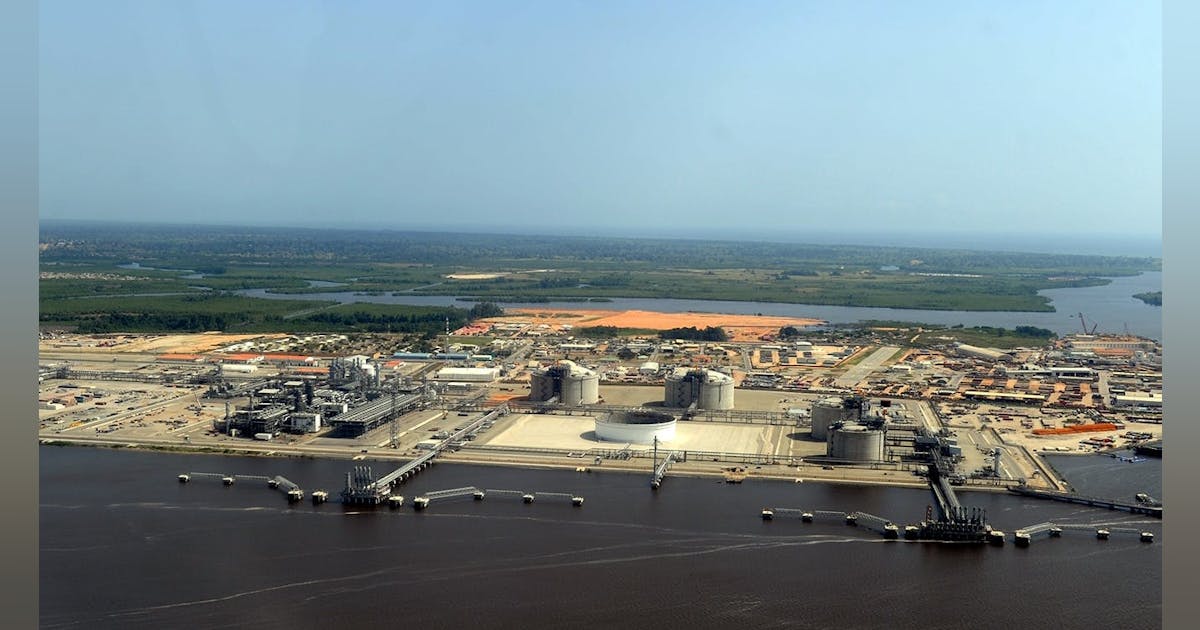
But one aspect that I think is getting lost here is that sustained high fossil-fuel prices will be bad for even those of us who are untethered from the burdens of vehicle ownership. Fuel cost makes up between 50% and 60% of the cost of shipping goods overseas. Fertilizer production today requires natural gas, which has gotten significantly more expensive since the war began, particularly in Europe.
Jet fuel prices have basically doubled in the last month, according to the International Air Transport Association. Since those prices account for something like a quarter of an airline’s operating cost, that could soon make air travel—and anything that’s shipped by plane—more expensive.
And if all this adds up to an economic downturn, it’s bad for big projects that need financing (even wind and solar farms) and for people who want to borrow money to buy a home or a car (including an EV).
If you’re in the market for a car, maybe this uncertainty is what you needed to consider electric. But until we’re able to truly decarbonize not only our transportation but the rest of our economy, even this carless reporter is going to be worried about high gas prices.
This article is from The Spark, MIT Technology Review’s weekly climate newsletter. To receive it in your inbox every Wednesday, sign up here.