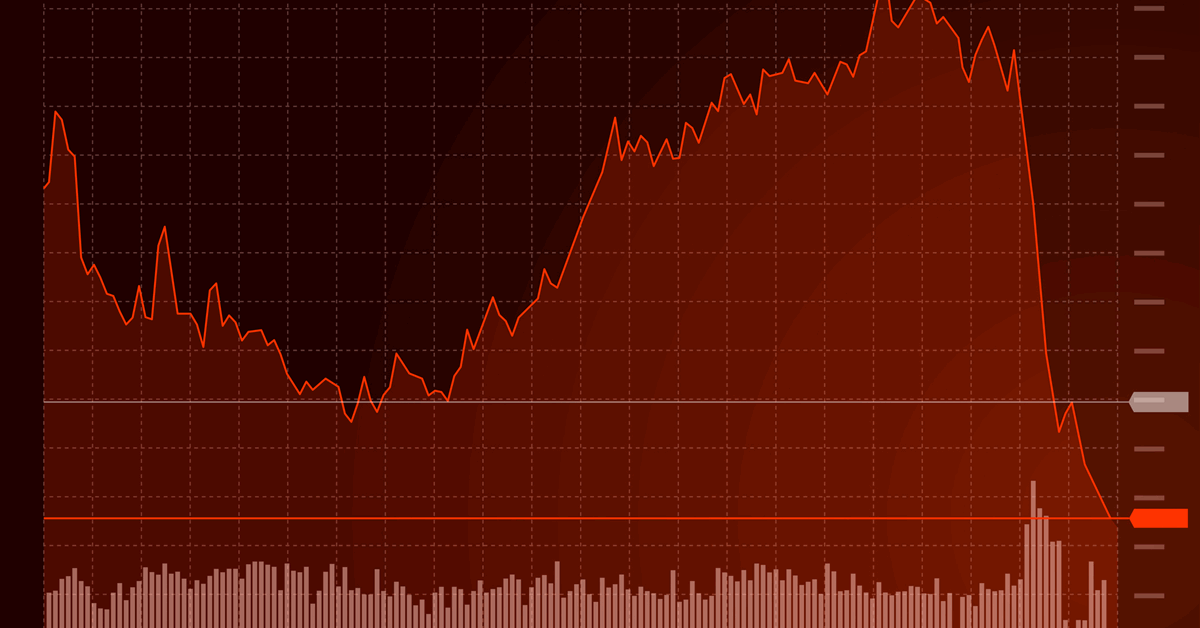
Spikes in borrowing costs following a meltdown in Japanese bonds and a selloff in US Treasuries have prompted at least one Asian borrower to shelve plans to raise funds, underscoring how renewed volatility is rippling through credit markets.
High-yield issuer China Oil & Gas Group Ltd. had attracted more than $750 million of orders before it decided to pull a planned dollar-bond sale on Wednesday, adding to signs of broader fallout from the turbulence.
While Asia-Pacific bond issuance got off to a strong start this year, there have also been signs of concern for some companies. Non-rated Chinese issuer Sun Hung Kai & Co., for example, raised less than its targeted amount for a dollar bond offering earlier this month. The company also decided not to tighten its pricing guidance for the offering, another indication that demand may be thinning for the weaker borrowers as funding conditions tighten.
“The macro backdrop this year is full of uncertainties – from geopolitics to moves in U.S. Treasuries – all of which pose real challenges for these issuers, especially those whose secondary-market yields have compressed the most,” said Li Huan, co-founder of Forest Capital Hong Kong Ltd.
China Oil & Gas, a non-investment grade private-sector energy company, was able to tighten pricing guidance on its planned note to 7 percent from an initial 7.25 percent, according to people familiar with the transaction. The company had intended to use proceeds from the sale to buy back $361 million of notes maturing in June.
The company still must refinance the 2026 notes before the June maturity, and would likely come back to the market, said Leonard Law, a senior credit analyst at Lucror Analytics Pte. “That said, it may end up having to pay slightly more than the 7 percent final price guidance for this exercise, due to the higher base rates and widening credit spreads this week.”
China Oil & Gas didn’t immediately respond to a request for comment.
Along with corporate bond sales, sovereign issuance has also shown signs of strain recently. The Philippines, one of Asia’s most-active sovereign bond issuers in overseas markets, sold $2.75 billion of dollar bonds Tuesday priced at spreads wider than what Nomura had indicated as fair value.
The Philippines was among four Asia Pacific borrowers in the dollar-bond market Tuesday – including South Korea’s Woori Bank, which priced a $600 million two-part deal. Yield premiums on the region’s investment-grade bonds have hovered near a record low this month at under 60 basis points on average, helping attract issuers.
“Investment-grade rated issuers like Philippines and Woori Bank had no issues printing bonds amid the market volatility,” said Nicholas Yap, head of Asia credit desk analysts at Nomura Holdings Inc., in Singapore. The Philippines had to pay up a bit more than what they would have liked, but the bonds are doing well in secondary trading, he added.
What do you think? We’d love to hear from you, join the conversation on the
Rigzone Energy Network.
The Rigzone Energy Network is a new social experience created for you and all energy professionals to Speak Up about our industry, share knowledge, connect with peers and industry insiders and engage in a professional community that will empower your career in energy.