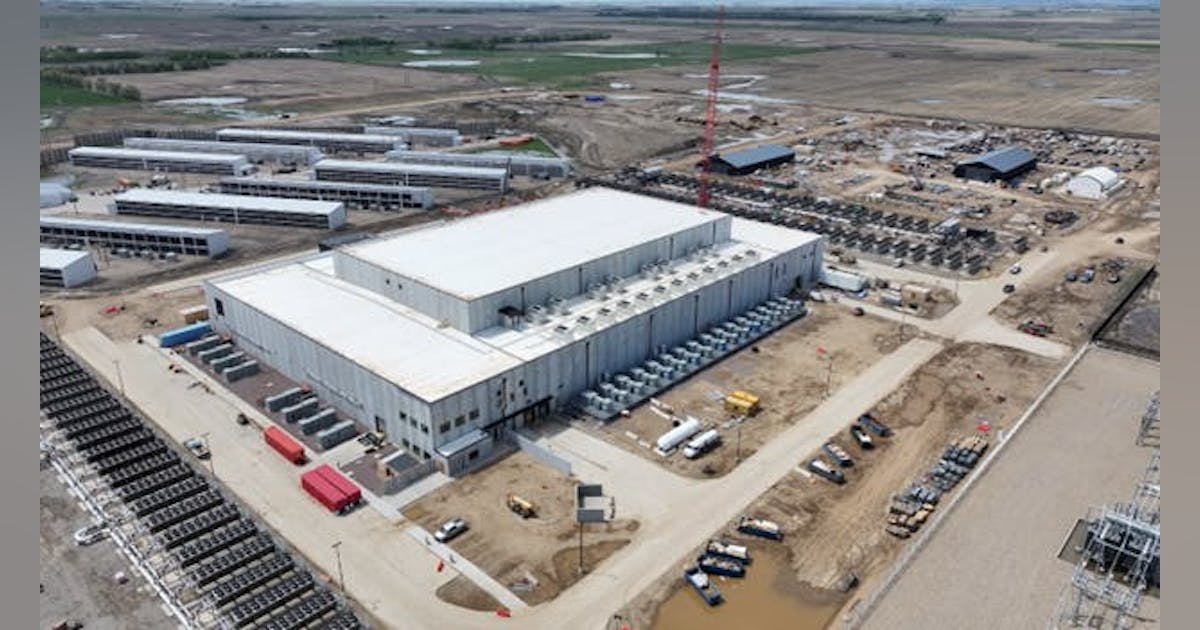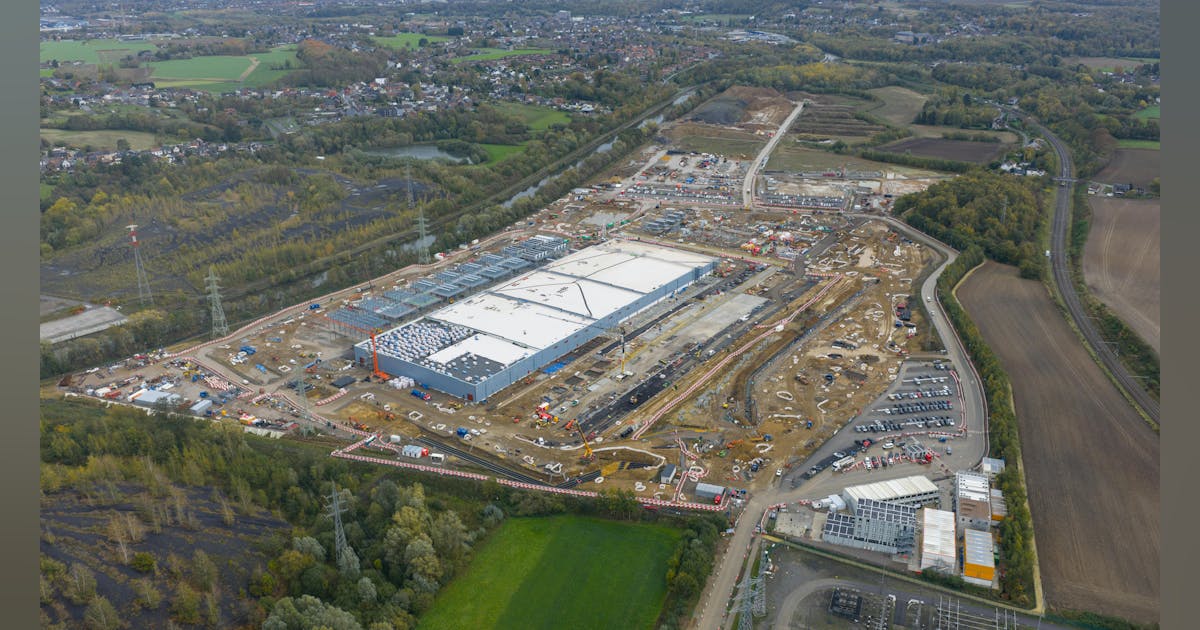
“The G200 chip was for the scale out, because what’s happening now is these models are getting bigger where they don’t just fit within a single data center. You don’t have enough power to just pull into a single data center,” Patel said. “So now you need to have data centers that might be hundreds of kilometers apart, that operate like an ultra-cluster that are coherent. And so that requires a completely different chip architecture to make sure that you have capabilities like deep buffering and so on and so forth… You need to make sure that these data centers can be scaled across physical boundaries.”
“In addition, we are reaching the physical limits of copper and optics, and coherent optics especially are going to be extremely important as we go start building out this data center infrastructure. So that’s an area that you’re starting to see a tremendous amount of progress being made,” Patel said.
The second constraint is the AI trust deficit, Patel said. “We currently need to make sure that these systems are trusted by the people that are using them, because if you don’t trust these systems, you’ll never use them,” Patel said.
“This is the first time that security is actually becoming a prerequisite for adoption. In the past, you always ask the question whether you want to be secure, or you want to be productive. And those were kind of needs that offset each other,” Patel said. “We need to make sure that we trust not just using AI for cyber defense, but we trust AI itself,” Patel said.
The third constraint is the notion of a data gap.
AI models get trained on human-generated data that’s publicly available on the Internet, but “we’re running out,” Patel said. “And what you’re starting to see happen is synthetic data is getting to be extremely potent in training these models.” The highest data growth is that of machine-generated data, he said. “As agents get more and more prolific, and as you have these agents working 24/7, you will see continued amounts of acceleration and exponential growth on machine-generated data. At Cisco, it turns out we are the center of all of this stuff,” Patel said.