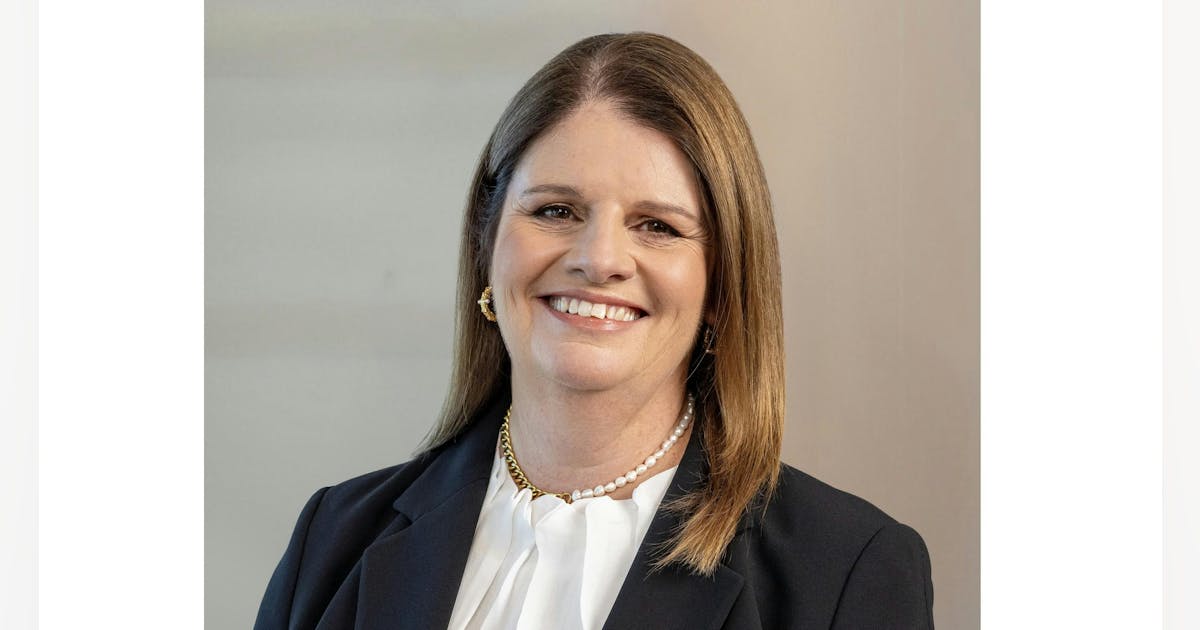
Christopher Gorthy, DPR Construction: Early collaboration of key stakeholders has become the baseline to deliver these complex projects. The teams that are successful in these environments are the ones who combine effective meeting structures with enough in‑person interaction to build real trust. Pairing those relationships with the right tools can help track key decision making, document reasoning, and keep everyone aligned on “The Why,” creating more predictable outcomes.
Where the industry continues to feel fragmented is around liability, risk, and comfort with sharing design and model data. Achieving the speed these projects demand requires the entire team to understand each partner’s constraints and then working together to solve problems, communicating clearly and documenting decisions as they go.
All of our partnerships are solving equations with multiple variables. Our teams must provide early feedback and solutions when faced with impacts or delays outside our control, and even earlier communications of impacts that cannot be mitigated. Open communication channels, whether through shared digital platforms or recurring working sessions, are critical to staying ahead of risk.
As projects get bigger, alignment with financial institutions, insurance entities and private equity partners also have become essential.
The number of trade partners capable of taking on contracts of this size is limited, so making sure we are setting up our partners for success while also working to expand the network of qualified trade partners is a key strategy.
From a tactical standpoint, the most effective projects operate from a single integrated schedule that ties together the owner, vendors, general contractor, trades, commissioning teams, and all other stakeholders.
Reinforcing this with consistent two‑ to three‑week look‑ahead reviews and onsite schedule coordination meetings regardless of contractual structure significantly increases alignment and efficiency at the project level.