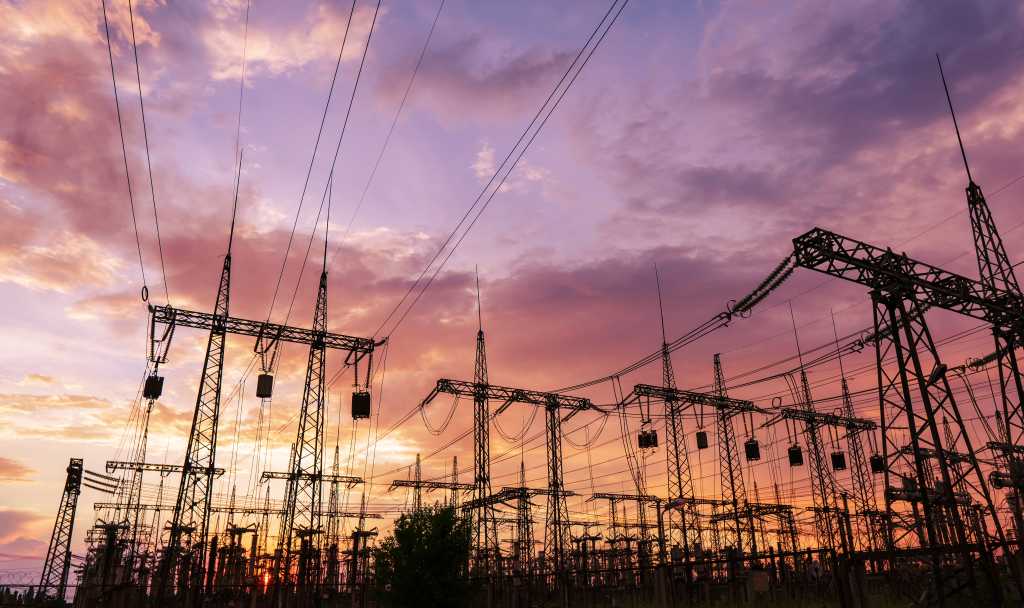
The delays stem from aging transmission infrastructure unable to handle concentrated power demands. Building regional transmission lines currently takes seven to eleven years just for permitting, Hanna told the gathering. Southwest Power Pool has projected 115 days of potential loss of load if transmission infrastructure isn’t built to match demand growth, he added.
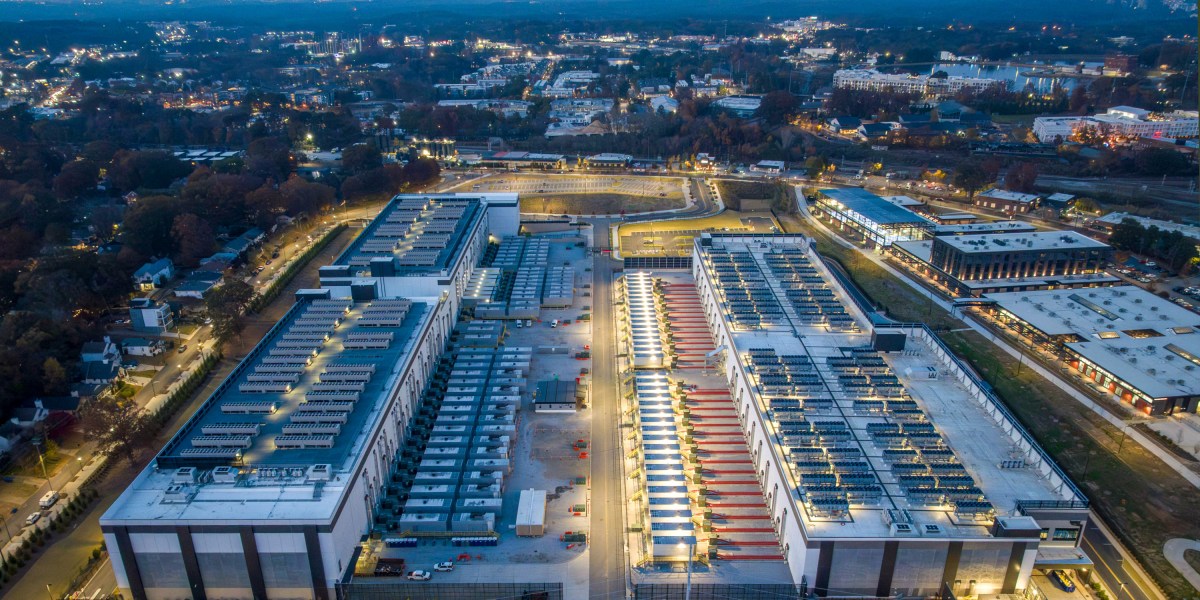
These systemic delays are forcing enterprises to reconsider fundamental assumptions about cloud capacity. Regions including Northern Virginia and Santa Clara that were prime locations for hyperscale builds are running out of power capacity.
The infrastructure constraints are also reshaping cloud competition around power access rather than technical capabilities. “This is no longer about who gets to market with the most GPU instances,” Gogia said. “It’s about who gets to the grid first.”
Co-location emerges as a faster alternative to grid delays
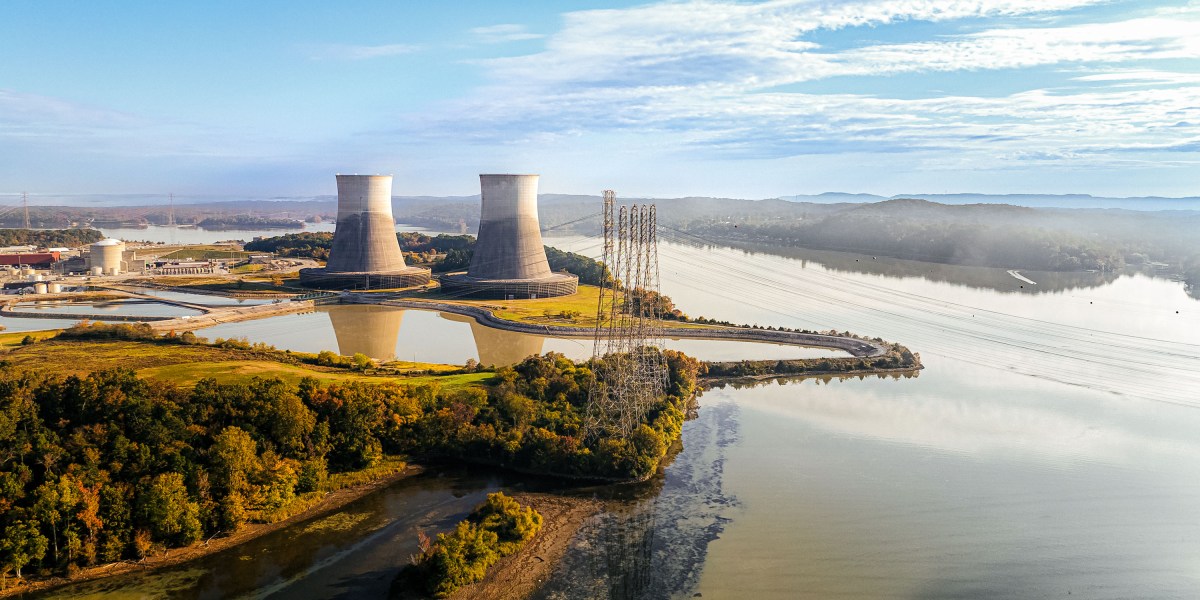
Unable to wait years for traditional grid connections, hyperscalers are pursuing co-location arrangements that place data centers directly adjacent to power plants, bypassing the transmission system entirely. Pricing for these arrangements has jumped 20% in power-constrained markets as demand outstrips availability, with costs flowing through to cloud customers via regional pricing differences, Gogia said.
Google is exploring such arrangements, though Hanna said the company’s “strong preference is grid-connected load.” “This is a speed to power play for us,” he said, noting Google wants facilities to remain “front of the meter” to serve the broader grid rather than operating as isolated power sources.
Other hyperscalers are negotiating directly with utilities, acquiring land near power plants, and exploring ownership stakes in power infrastructure from batteries to small modular nuclear reactors, Hanna said.