In a market comment sent to Rigzone on Thursday, Mazen Salhab, Head of Market Research at MH Markets, highlighted that oil prices “remain elevated and volatile … as the market prices supply risk and demand uncertainty at the same time”.
“Geopolitical tension around Iran continues to underpin prices by lifting the risk premium, even without actual disruptions, while producer discipline and recent weather related outages are limiting downside,” Salhab said in the comment.
“At the same time, economic data points to slowing but resilient demand, keeping oil supported as both a growth-sensitive asset and a hedge,” he added.
Looking at the near term in his comment, Salhab said labor market data “is the key trigger”.
“Weaker jobs data would support oil via a softer dollar but raise demand concerns, while stronger data may pressure prices initially yet reinforce demand expectations,” he warned.
“Until either geopolitics or macro data clearly dominates, oil is likely to remain range-bound but firm, with sharp reactions to headlines and data surprises,” Salhab projected.
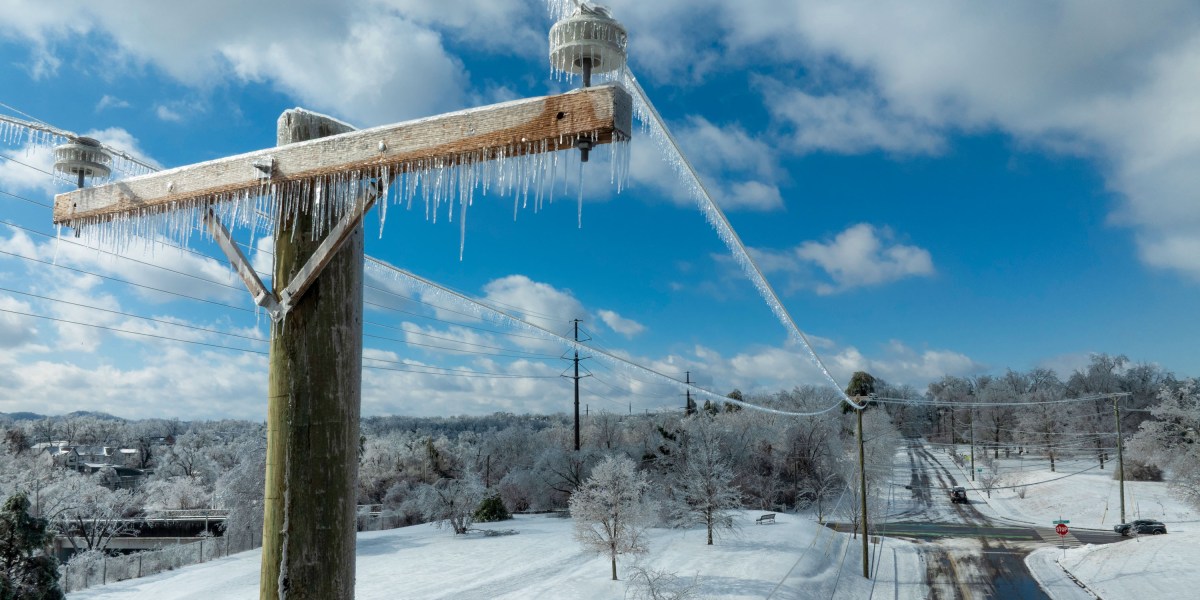
In a report sent to Rigzone by the Standard Chartered team on Wednesday, Standard Chartered Bank Energy Research Head Emily Ashford noted that a U.S. winter storm “disrupted crude oil output and refining operations, prompting localized supply tightness”.
“The NYMEX heating oil-WTI spread has stabilized between $36-38 per barrel over the week, while the ICE gasoil-Brent spread pushed above $25 per barrel on 21 January and is currently trading around $23 per barrel,” Ashford added.
“We expect these cracks to remain sensitive to refining throughput-recovery timelines,” Ashford continued.
The Standard Chartered report projected that the ICE Brent nearby future crude oil price will average $63.50 per barrel in 2026 and $67.00 per barrel in 2027. This commodity averaged $68.50 per barrel in 2025, the report showed.
A quarterly breakdown included in the Standard Chartered report forecast the ICE Brent nearby future crude oil price will average $62.00 per barrel in the first quarter of 2026, $63.00 per barrel in the second quarter, $64.00 per barrel in the third quarter, $64.50 per barrel in the fourth quarter, and $66.50 per barrel in the first quarter of 2027.
In a market update sent to Rigzone by the Rystad Energy team on Monday, Rystad Energy Chief Economist Claudio Galimberti said “the message for commodity markets heading into the week is clear”.
“Geopolitical rhetoric remains loud, but pricing continues to respond primarily to tangible constraints on supply, trade, and policy,” he added.
“Unless escalation moves from words to actions, volatility is likely to remain concentrated in specific pockets – precious metals, weather-exposed energy markets, and geopolitically sensitive crude flows – rather than across the commodity complex as a whole,” he continued.
In a media advisory sent to Rigzone by the AccuWeather team on Wednesday, AccuWeather warned that “overlapping impacts from back to back winter storms may extend disruptions for businesses, travel, and deliveries in areas impacted by wintry weather”.
In a statement sent to Rigzone by the AccuWeather team late Monday, AccuWeather warned that, according to its preliminary estimate, “historic winter storm damage and losses [are] expected to top $100 billion”.
“The scope of this winter storm was extraordinary,” AccuWeather Chief Meteorologist Jonathan Porter said in that statement.
“What sets this storm apart is not just the snow and ice, but how widespread the disruption has been across transportation, energy, commerce, and daily life,” he added.
“The extreme cold pouring in behind the storm dramatically increases risks and slows recovery in many of the hardest-hit areas,” he continued.
AccuWeather highlighted in the statement that the winter storm impacted more than 200 million people across more than two dozen states.
To contact the author, email [email protected]