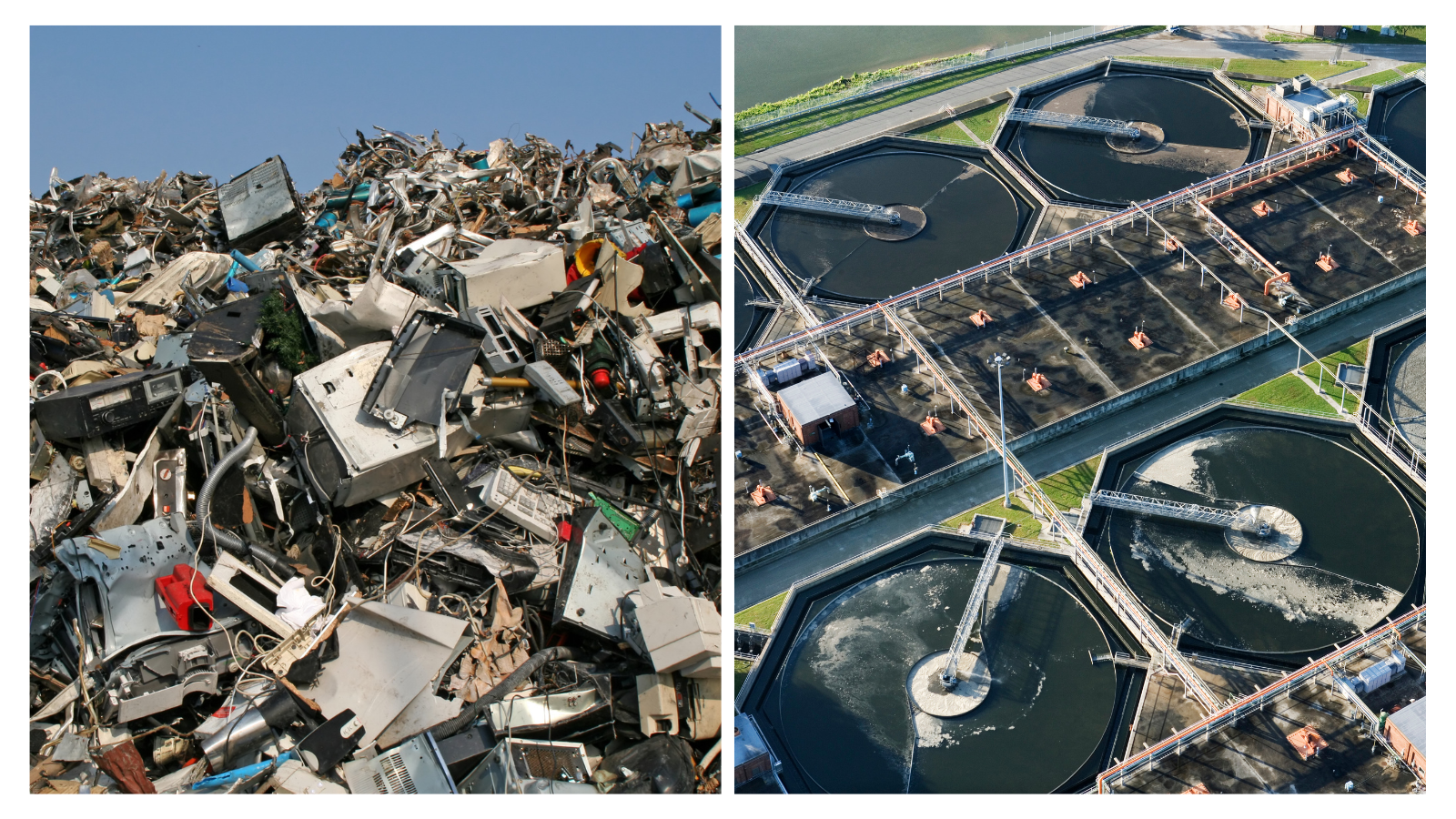
The U.S. Department of Energy’s Alternative Fuels and Feedstocks Office (AFFO), formerly known as the Bioenergy Technologies Office, and the National Laboratory of the Rockies (NLR) are launching the 2026 Waste to Energy and Materials Technical Assistance Program for state, local, and Tribal governments. The scope of this year’s program has been expanded to include additional municipal solid waste materials such as electronics, industrial wastewater, and other byproducts. U.S. waste streams present significant logistical and economic challenges for states, counties, municipalities, and Tribal governments. However, waste is also a resource that can be used as an unconventional additional source of energy, advanced materials, and critical minerals. This program provides no-cost technical assistance to states, counties, municipalities, and Tribal governments with the most relevant data to guide decision-making—providing local solutions to the various aspects of waste management, taking into consideration current handling practices, costs, and infrastructure. It is designed to help officials evaluate the most sensible end uses for their waste, whether repurposing it for on-site heat and power, upgrading it into transportation fuels, or using it for material and mineral recovery. Program technical assistance includes: Waste resource information Infrastructure considerations Techno-economic comparison of energy, material, and mineral recovery options Evaluation and sharing of case studies (to the extent possible) from similar communities/projects The 2026 Waste to Energy and Materials Technical Assistance application portal is now open and applications will be accepted through May 30, 2026. For information on applicant eligibility and how to apply, please visit NLR’s technical assistance webpage. Timeline for Technical Assistance Opportunity Date Action April 15, 2026 Application Portal Opens May 30, 2026 Application Portal Closes July – August 2026 Selections Made and Recipients Informed Learn more about AFFO-supported waste to energy and materials technical assistance. If you have further questions, please see frequently asked questions or contact the Waste to