This is today’s edition of The Download, our weekday newsletter that provides a daily dose of what’s going on in the world of technology.
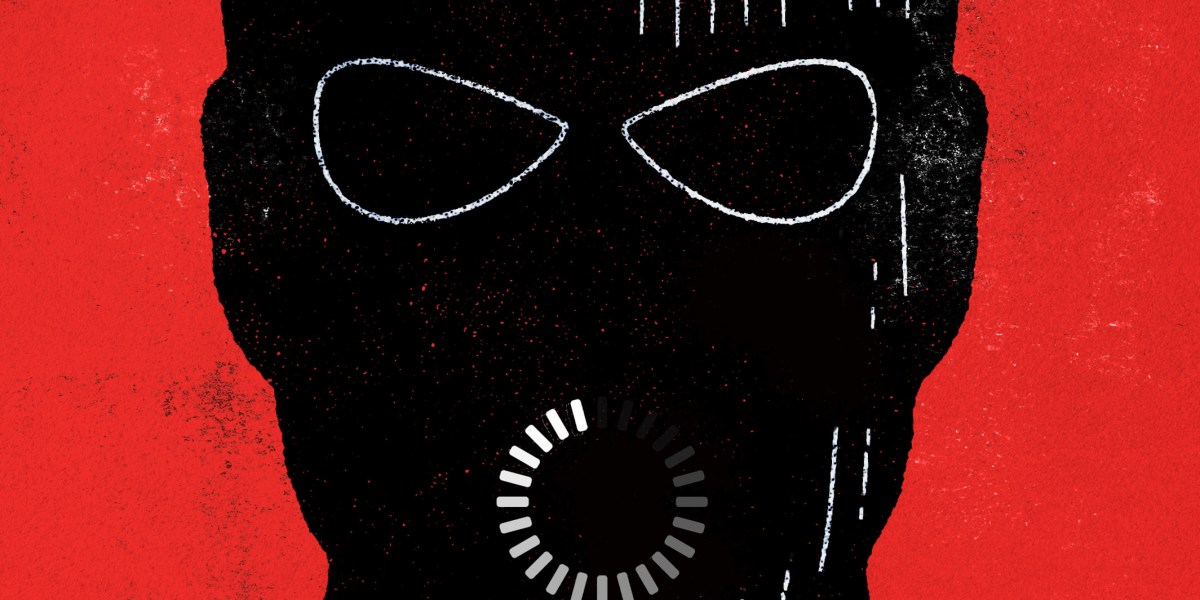
Introducing: the Crime issue
Technology has long made crime and its prosecution a game of cat and mouse. But those same new technologies that have allowed crime to outpace law have also reenergized law enforcement and government—offering new ways to root out crime, to gather evidence, to surveil people.
That tension is the key to our new March/April issue. Thanks to technologies like cryptocurrency and off-the-shelf autonomous autopilots, there’s never been a better time to do crime. And thanks to pervasive surveillance and digital infrastructure, there’s never been a better time to fight it—sometimes at the expense of what we used to think of as fundamental civil rights.
Here’s a sneak peek at what you can expect:
+ The fascinating story of what happened when cyber security researcher Allison Nixon decided to track down the mysterious online figures threatening to kill her. Read the full story.
+ AI is already making online crimes easier, but those reports of AI-powered superhacks are seriously overblown. Here’s why.
+ Welcome to the dark side of crypto’s permissionless dream.
+ Chicago is home to a vast monitoring system to track its residents, including tens of thousands of surveillance cameras. But while law enforcement claims it’s necessary to protect public safety, privacy activists have likened it to a surveillance panopticon. Read the full story.
+ Modern thieves are stealing luxury cars right from under their manufacturers’ and owners’ noses. But how are they doing it?
+ How innovative conservationists are using tech to fight back against wildlife traffickers—including by turning rhinos radioactive.
Why 2026 is the year for sodium-ion batteries
Sodium-based batteries could be a cheaper, safer alternative to lithium-ion, and the technology is finally making its way into cars—and energy storage arrays on the grid.
They’re also one of MIT Technology Review‘s 10 Breakthrough Technologies of 2026, and we’re holding a subscriber-only Roundtables discussion to explain why. Join our science editor Mary Beth Griggs, senior climate reporter Casey Crownhart and China reporter Caiwei Chen to explore the present moment for sodium-ion batteries—and what’s coming next.
We’ll be going live at 1pm ET this afternoon—register now!
The must-reads
I’ve combed the internet to find you today’s most fun/important/scary/fascinating stories about technology.
1 The Pentagon has given Anthropic an ultimatum
Either provide the US military with full access to Claude, or face the consequences. (Axios)
+ Defense Secretary Pete Hegseth has threatened to cut ties. (WSJ $)
+ In turn, Anthropic has allegedly refused to ease military restrictions. (Reuters)
2 Meta has signed a major chip deal with AMD
Just days after it committed to using millions of Nvidia chips to power its AI ambitions. (CNBC)
3 How Jeffrey Epstein infiltrated Microsoft’s upper ranks
He was privy to confidential insider discussions about internal politics and gave advice on the line of CEO succession. (NYT $)
+ A smash-hit podcast about the Epstein files is entirely AI-generated. (Fast Company $)
4 Chatbot-assisted cheating is just a part of student life
Teenagers are regularly asking for—and may grow dependent on—AI’s assistance. (WP $)
+ You need to talk to your kid about AI. Here are 6 things you should say. (MIT Technology Review)
5 How Ukraine built an entire drone industry from scratch
And hopes to sell its expertise to Western allies once the war is over. (New Scientist $)
+ Europe’s drone-filled vision for the future of war. (MIT Technology Review)
6 The FDA has removed a warning against ineffective autism treatments
The page urged Americans not to fall for alternative remedies including chlorine dioxide. (Undark)
7 Solar power is going from strength to strength in the US
Usage was up 35% last year in comparison to the previous year. (Ars Technica)
8 How big is infinity?
Maybe one size doesn’t fit all. (Quanta Magazine)
9 Warning: someone near you is wearing smartglasses
That’s the premise behind new app Nearby Glasses, which detects the devices’ Bluetooth signals. (404 Media)
10 Uber employees run ideas past an AI version of their CEO
Very good, very normal. (Insider $)
+ Synthesia’s AI clones are more expressive than ever. Soon they’ll be able to talk back. (MIT Technology Review)
Quote of the day
“This has nothing to do with mass surveillance and autonomous weapons being used.”
—A senior defense official tells the Washington Post that the Pentagon hasn’t proposed using any of Anthropic’s AI tools in ways that aren’t lawful, after the department threatened to force the company to share its technology.
One more thing

These scientists are working to extend the life span of pet dogs—and their owners
Matt Kaeberlein is what you might call a dog person. He has grown up with dogs and describes his German shepherd, Dobby, as “really special.” But Dobby is 14 years old—around 98 in dog years.
Kaeberlein is co-director of the Dog Aging Project, an ambitious research effort to track the aging process of tens of thousands of companion dogs across the US. He is one of a handful of scientists on a mission to improve, delay, and possibly reverse that process to help them live longer, healthier lives.
And dogs are just the beginning. One day, this research could help to prolong the lives of humans. Read the full story.
—Jessica Hamzelou
We can still have nice things
A place for comfort, fun and distraction to brighten up your day. (Got any ideas? Drop me a line or skeet ’em at me.)
+ As if dinosaur eggs weren’t cool enough, it turns out they’re also a pretty handy aging indicator for other fossils.
+ This week would have marked Steve Jobs’ 71st birthday. His Stanford Commencement Address is still one of the best.
+ I need to play Capybara Simulator immediately: a game in which you can become a capybara.
+ Good news everyone—it looks like we’ve avoided a bananapocalypse 🍌