Cisco Targets the AI Fabric Bottleneck
Cisco introduced its Silicon One G300, a new switching ASIC delivering 102.4 Tbps of throughput and designed specifically for large-scale AI cluster deployments. The chip will power next-generation Cisco Nexus 9000 and 8000 systems aimed at hyperscalers, neocloud providers, sovereign cloud operators, and enterprises building AI infrastructure.
The company is positioning the platform around a simple premise: at AI-factory scale, the network becomes part of the compute plane.
According to Cisco, the G300 architecture enables:
-
33% higher network utilization
-
28% reduction in AI job completion time
-
Support for emerging 1.6T Ethernet environments
-
Integrated telemetry and path-based load balancing
Martin Lund, EVP of Cisco’s Common Hardware Group, emphasized the growing centrality of data movement.
“As AI training and inference continues to scale, data movement is the key to efficient AI compute; the network becomes part of the compute itself,” Lund said.
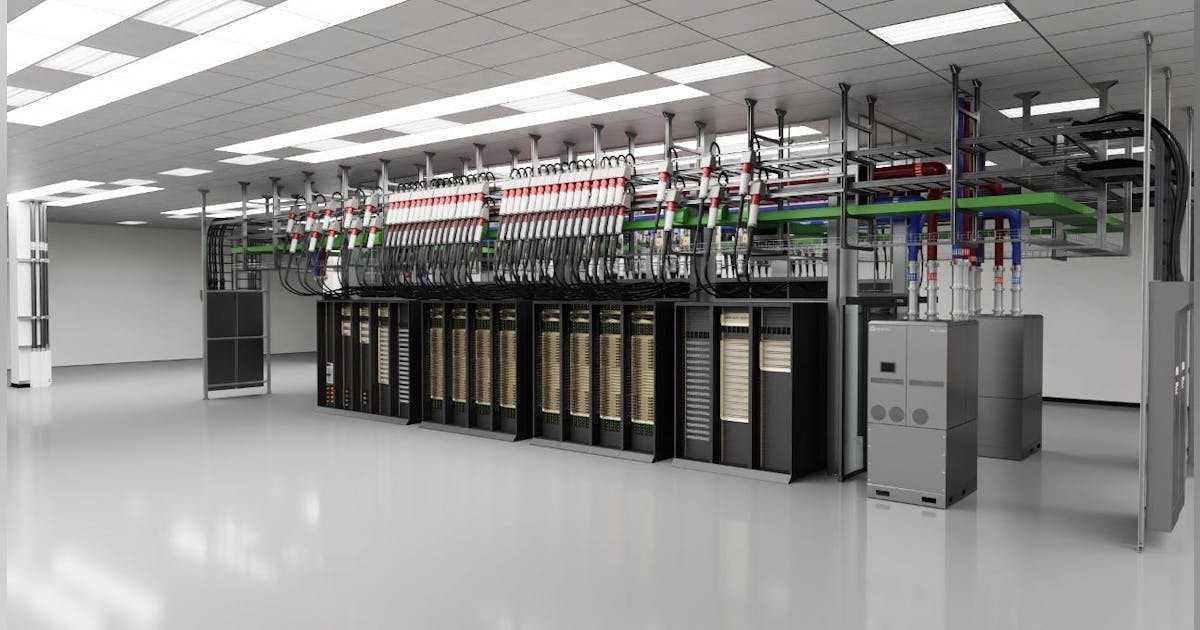
The new systems also reflect another emerging trend in AI infrastructure: the spread of liquid cooling beyond servers and into the networking layer. Cisco says its fully liquid-cooled switch designs can deliver nearly 70% energy efficiency improvement compared with prior approaches, while new 800G linear pluggable optics aim to reduce optical power consumption by up to 50%.
Ethernet’s Next Big Test
Industry analysts increasingly view AI networking as one of the most consequential battlegrounds in the current infrastructure cycle.
Alan Weckel, founder of 650 Group, noted that backend AI networks are rapidly moving toward 1.6T architectures, a shift that could push the Ethernet data center switch market above $100 billion annually.
SemiAnalysis founder Dylan Patel was even more direct in framing the stakes.
“Networking has been the fundamental constraint to scaling AI,” Patel said. “At this scale, networking directly determines how much AI compute can actually be utilized.”
That reality is driving intense innovation across silicon, optics, and fabric software, particularly as AI deployments expand beyond hyperscalers into enterprises and sovereign environments.
From Hyperscale to Everywhere AI
Cisco’s messaging makes clear that the company sees the next wave of AI infrastructure broadening well beyond the largest cloud providers. Enhancements to its Nexus One platform, including unified fabric management and AI job observability tied to GPU telemetry, are aimed squarely at organizations trying to operationalize AI outside hyperscale environments.
This aligns closely with what Synergy’s data is already showing: while the hyperscalers remain the scale anchor, the marginal growth in AI infrastructure demand is increasingly distributed across neoclouds, service providers, and enterprises.
For data center operators, the implications are significant.
AI infrastructure is evolving into a tightly coupled system in which compute density, power delivery, cooling architecture, and network fabric efficiency must advance in lockstep. Improvements in GPU performance alone are no longer sufficient to guarantee workload efficiency or economic returns.
Infrastructure Enters Its Systems Era
A decade ago, cloud competition was largely about regions, pricing models, and virtualization efficiency. Today, the battleground has shifted deep into the physical and architectural layers of the data center.
The latest Synergy numbers confirm that GenAI demand is still accelerating cloud consumption at a historic pace. But Cisco’s G300 launch highlights the parallel reality emerging inside AI facilities: the race is now on to ensure the network fabric can keep up with the compute explosion.
As AI clusters push toward ever larger and denser deployments, the winners in the next phase of the market may be determined less by who can deploy the most GPUs and more by who can keep them fully fed.
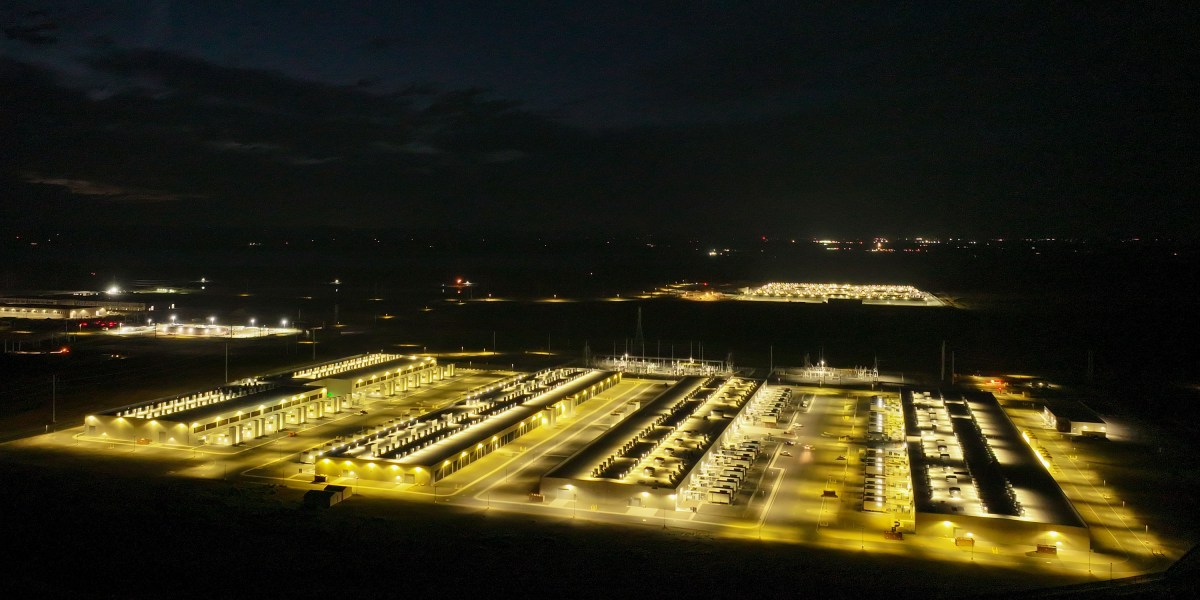
For an industry entering the gigawatt era, the network is no longer just connective tissue. It is becoming core infrastructure.