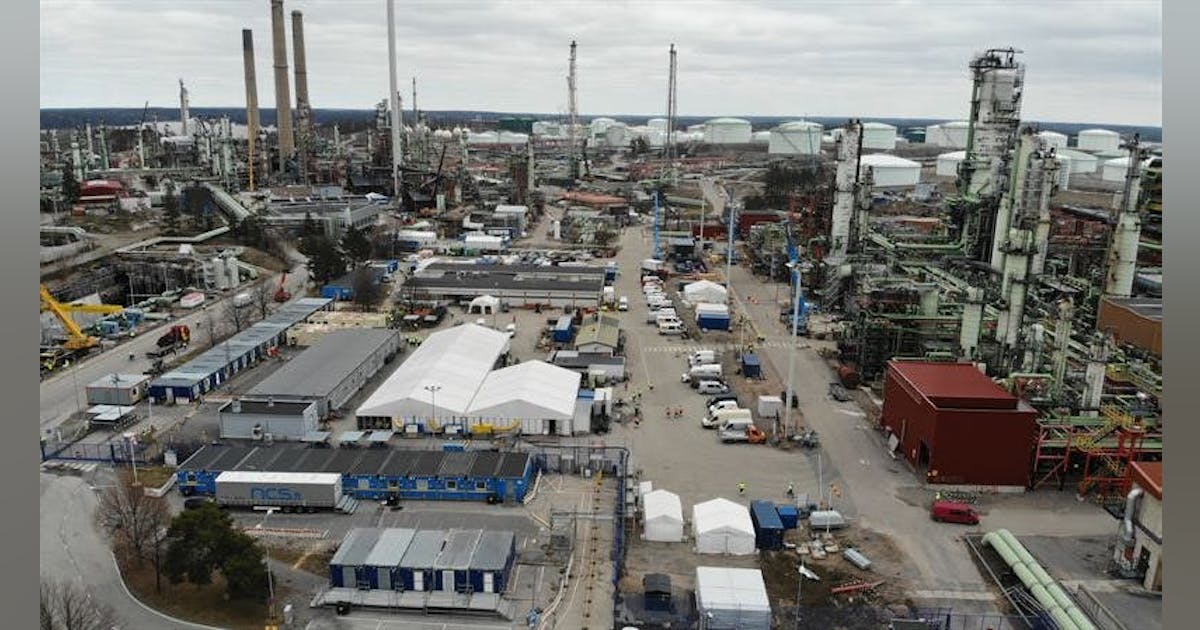
Another technology that could provide massive potential to help meet rising energy demand and contribute to global climate goals is renewable hydrogen. Renewable hydrogen—or green hydrogen—is produced by electrolysis, where hydrogen is processed from water using renewable electricity (e.g., wind, solar) by splitting water molecules. Currently, around 95% of all hydrogen is made using fossil-derived natural gas, resulting in high GHG emissions. Since renewable hydrogen is nearly free of GHG emissions, the transition to a renewable hydrogen economy hold potential to transform the energy landscape. Just as with Neste’s the pilot program in Rotterdam, renewable fuel producers could benefit by evaluating options for replacing fossil-based hydrogen with renewable hydrogen in their production processes.
In the renewable fuels production process, supply chain optimization is critical to ensure stable flows of both raw materials and end products. For Neste, this means an extensive global network for sourcing renewable raw materials and a market-centric distribution network to ensure renewable fuels reach customers and key markets quickly and efficiently.
In the US, Neste made a major strategic move to enhance its supply network with the acquisition of Mahoney Environmental in 2020. This integration provides Neste with access to used cooking oil from over 100,000 locations across the country.
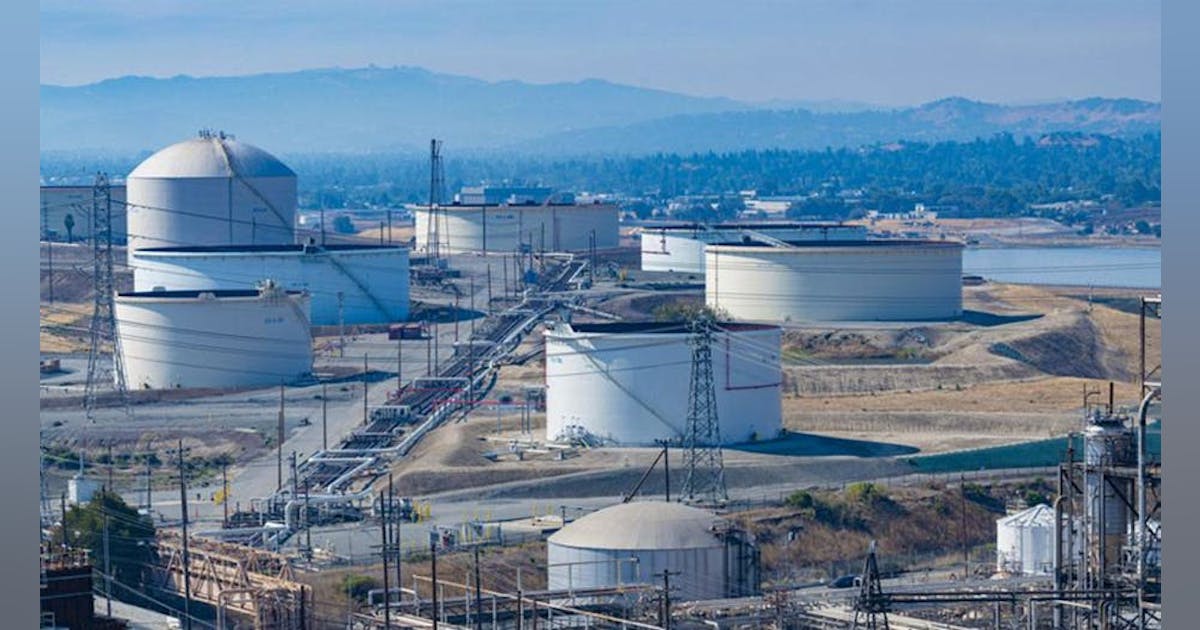
To ensure efficient product delivery, Neste has also been fostering partnerships with infrastructure providers to lease terminals that are strategically located near key markets. These terminals are often well-connected to fuel logistics via vessels, barges, trucks, and pipelines.
Having terminal capacities close to key markets can notably increase the availability and accessibility of Neste’s renewable fuels to customers. For example, the streamlined logistics system enabled a major expansion of Neste’s SAF supply in 2025, when Neste and United Airlines Inc. extended their partnership, making United the first commercial airline to purchase SAF for use on flights from George Bush Intercontinental Airport in Houston, Newark Liberty International Airport in New Jersey, and Dulles International Airport in Washington D.C. This partnership underscores the importance for renewable fuels providers to execute complex supply chain movements necessary to meet growing regulatory and voluntary SAF demand in the aviation sector. Additionally, repurposing existing fuel distribution infrastructure can accelerate the much-needed transition to renewable energy.
Regulatory support in the form of mandates and incentives is also crucial to ramp-up renewable fuels demand and production. The EU and UK SAF mandates went into force at the start of 2025, both starting with a 2% SAF supply obligation. Whereas the ReFuelEU mandate remains flat until 2030, the UK mandate will increase linearly to 10% in 2030, practically doubling to almost 4% in 2026. In the Asia-Pacific region, 2026 will bring the start of Singapore’s 1% SAF target as other countries in the region continue the development of similar supporting policies. While these developments will increase the demand for SAF, the growth of SAF supply is expected to outpace the growth of SAF demand until at least 2030 when the ReFuelEU mandate increases to 6%.
In the US, 45Z was the only US Inflation Reduction Act-created credit the government extended and expanded in the One Big Beautiful Bill (OB3), clearly showing a commitment to stimulate renewable fuels. The US EPA’s proposed renewable volumes obligations (RVOs) for 2026 and 2027 for biomass-based diesel are commendable and appropriately recognize the growth of the industry. Those achievable volumes set the stage for more abundant and more cost-competitive fuel choices for US businesses.
Looking ahead
In 2025, Neste’s renewable products helped its customers reduce GHG emissions by 14.2 million tpy, equivalent to GHG emissions from more than 30,000 full-aircraft roundtrips from Amsterdam to San Francisco. The achievement illustrates the impact that renewable fuels can have and the essential role they play as a key solution to reducing the GHG emissions of the transportation sector—on land, on sea, and in the air.