Beyond the potential political ramifications, any deal would have immediate implications for enterprise IT buyers.
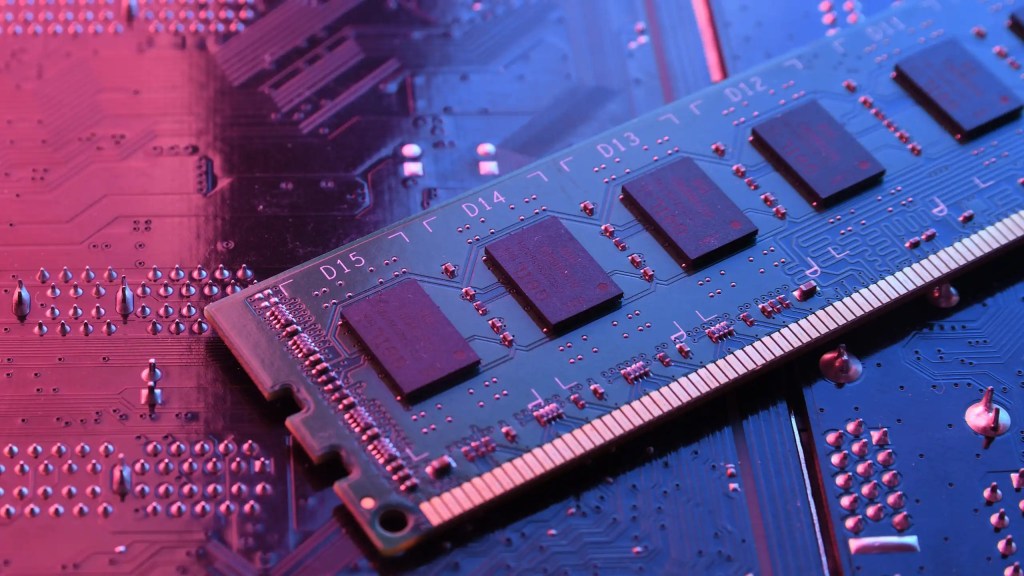
“CIOs should focus on the risk that this strategy could introduce. Will Apple be able to thoroughly assess those chips to completely rule out the possibility of trojan horses, backdoors, and hidden functionality such as dead man switches?” asked Flavio Villanustre, CISO for the LexisNexis Risk Solutions Group. “If Apple says that they will do, to what degree of certainty? There have been rumors about hidden backdoors in chips before, such as Supermicro in 2018, ESP32 microcontroller hidden functionality in 2025, and Microsemi backdoor in 2012, to name a few.”
On the naughty list?
This issue gets complicated based on what the US government ultimately does. The two Chinese manufacturers figure on the Pentagon’s so-called 1260H list of “entities identified as Chinese Military Companies,” which also includes Chinese internet giants Alibaba, Baidu, and Tencent; router maker TP-Link Technologies; and drone maker DJI. Being on that list has no real consequences for the companies concerned, but the government could move them to the Department of Commerce’s Entity List, subjecting them to export licensing requirements, or make them the subject of a Section 889 clause, barring them from government procurement deals. That could sharply change the dynamics for Apple and other technology vendors seeking cheaper RAM supplies — and for their customers.