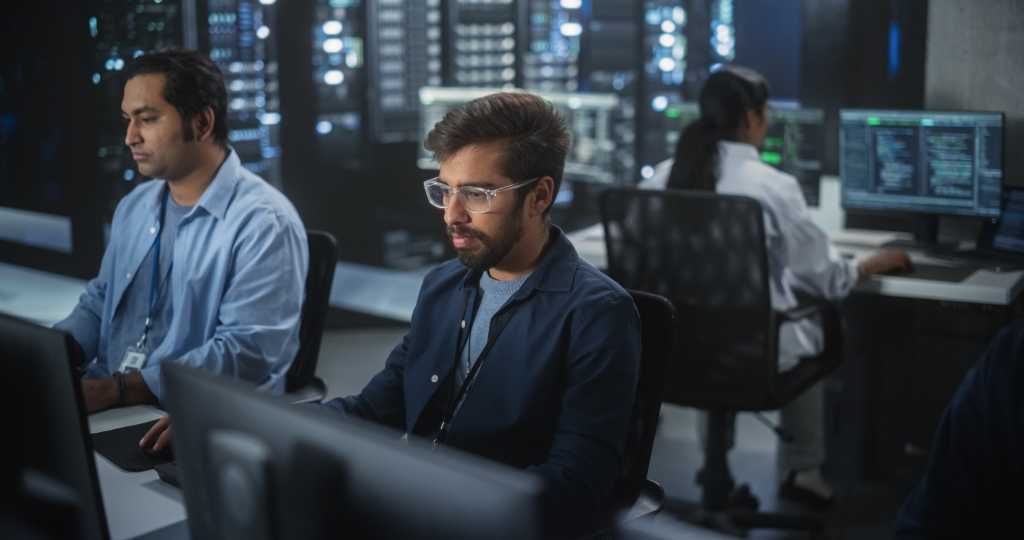
IT teams responsible for data centers, colocation facilities, and test labs face a persistent challenge when it comes to providing affordable, timely maintenance and troubleshooting for their organizations’ IT infrastructure. Facilities aren’t often staffed around the clock, and sending someone on-site to address every hardware failure or issue is slow and expensive, especially for colocation customers that already pay for local staff support. Additionally, when critical infrastructure goes down, organizations can’t afford to endure an outage during the time it takes to get a technician on-site. IT teams typically employ tools to enable remote access, but the most common have significant limitations and drawbacks. Remote desktop protocol (RDP), for instance, provides access, but only while the operating system is running. If the OS crashes or fails to boot, or if a firmware change ends the session, RDP is useless, and IT will need to send a technician for an on-site visit. There are also security concerns, as open software ports make RDP vulnerable to attack. Another tool, physical intelligent platform management interface (IPMI), sits below the OS layer, so it can be used regardless of the state of the OS. However, legacy IPMI implementations have historically been associated with security concerns, particularly when exposed to public or poorly secured networks. Many organizations now restrict IPMI access or supplement it with additional security controls. Some organizations have moved to Distributed Management Task Force (DMTF) Redfish because it provides stronger security. But its security behaviors, such as session timeouts, rate limiting, and lockout policies, are undefined and left to the implementer, so improper implementation poses a significant risk. KVM (keyboard, video, and mouse)-over-IP addresses both the reliability and security concerns of RDP, IPMI, and DMTF Redfish. KVM connects directly to hardware, which gives administrators remote BIOS-level access and full control of a