Look at alternatives, including AMD and cloud solutions, while staying mindful of how it all plays together. You may not be able to get Nvidia GPUs, but AWS, Azure, and Oracle Cloud have them, Kimball notes.
Be strategic, perhaps by using cloud offerings to handle certain tuning or inference workloads, then bringing them back in-house when appropriate. “Have a better understanding of what absolutely has to be on prem and what can be in the cloud,” he says.
That’s good advice, says Backblaze’s Thomas. When it comes to AI, think about performance tiers and the range of use cases you have. They don’t all need top-tier performance.
“People get wrapped around axle of needing the top end. There’s a lot of flexibility in the edges, innovation in different hardware and software,” Thomas says.
Gartner likewise advises companies to increase configuration flexibility and expand sourcing paths. That may include buying from secondary markets and lease-return programs to preserve continuity with existing infrastructure until the shortages pass, Forest says.
Get started somewhere
Even if you can’t acquire or have to wait for the infrastructure you need, don’t let that keep you from getting started with AI or other modernization projects.
Options include public cloud and neocloud providers, Anderson says. WWT also provides capacity in its own lab so customers can get started with proof-of-concept projects. “Don’t just throw your hands up. We can help you find access to capacity,” Anderson says. “Production-scale AI may be delayed, but don’t let that derail your strategy.”
Colocation providers may likewise be an option, especially if enterprises are struggling to acquire high-end networking equipment. Networking is a key value proposition for colocation providers, in that they have built-in connections to various cloud providers and other ecosystem players.
Equinix, for example, has 280 data centers in 77 metropolitan areas, says Phil Read, senior director, colocation product management for the company. If you have the compute infrastructure, Equinix can help you with the high-end connectivity required both intra- data center and at edge facilities.
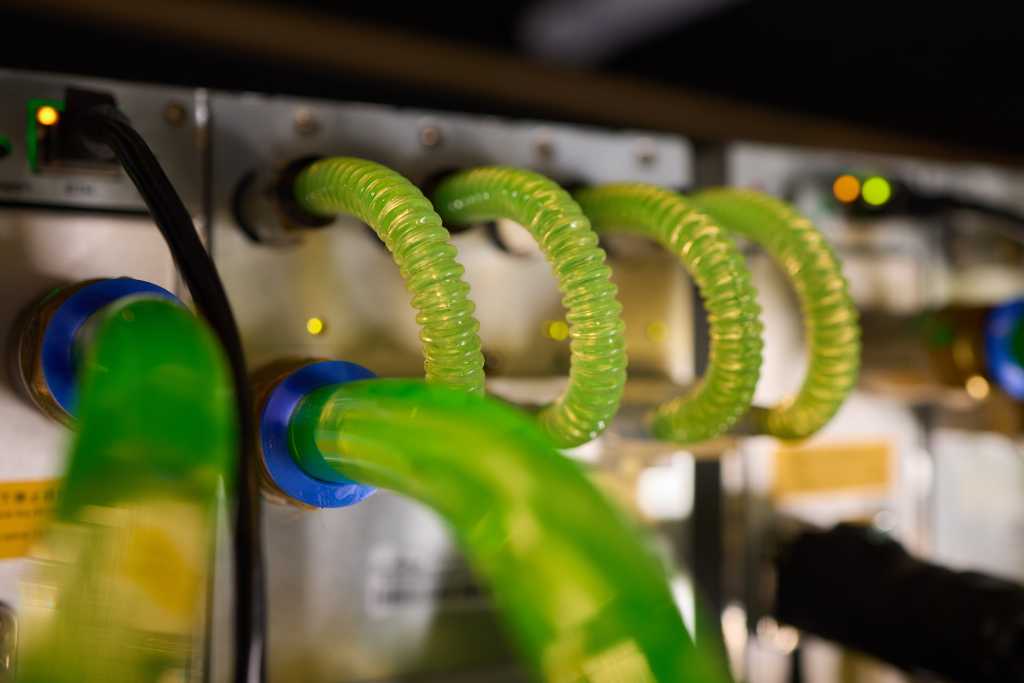
It also has partnerships with the likes of Cisco and Nvidia for “ready-to-go AI connectivity,” Read says. That means Equinix offers the right infrastructure to meet the requirements of high-end compute solutions in terms of power density and cooling. Such power densities are significant, requiring 120k VA per rack and up. “There’s plenty of talk about a megawatt rack,” he says.
Power is a significant issue in this entire discussion, Privett says. Older installed computing infrastructure likely consumes far more power than newer systems, which is an argument for upgrading as soon as possible.
“If you modernize today, you could substantially reduce the number of servers needed to support the same applications at a much lower power consumption rate,” Privett says. He advises sitting down with folks from the OT side of the house to make sure power is available for whatever you want to do. In many areas, power is at a premium.
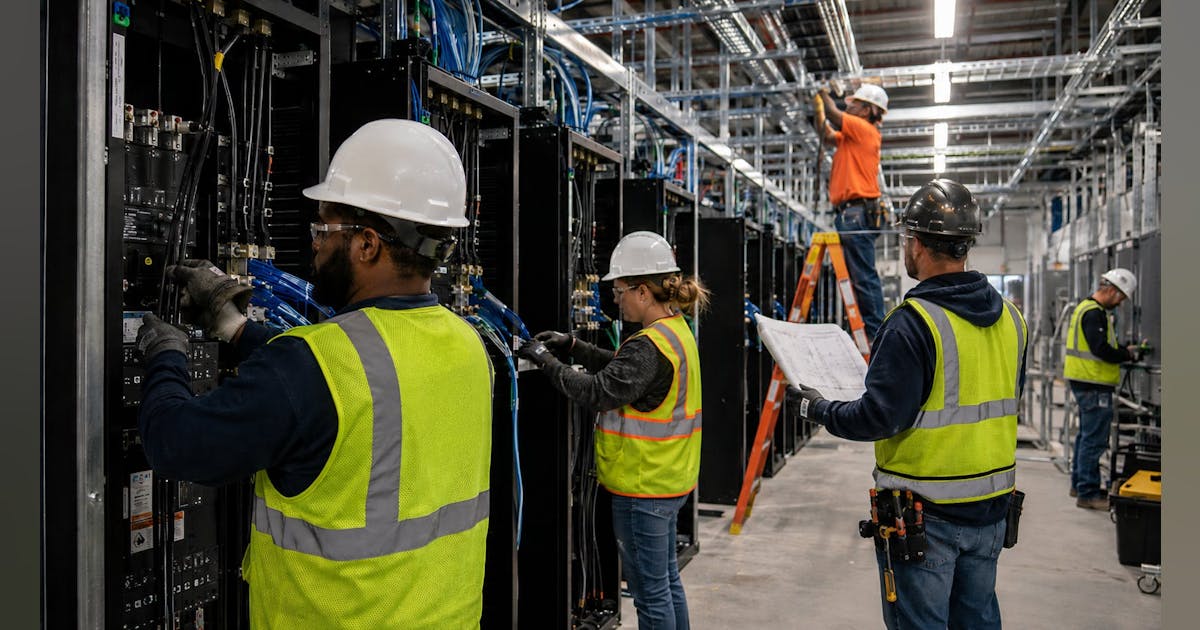
If your plans include installing GPU environments in your own data center, WWT advises you not to delay. “We’re telling customers, you need to talk with us and get that designed, get that ordered, because it will take quite a bit of time until it actually ships and we’re able to install it,” Anderson says.
Moor Insights’ Kimball agrees. “You have to order these parts today if you want to see them hitting your dock, your warehouse, or your office 12 months from now.”