1. Agentic AI is driving a “networking supercycle”
During the call, CEO Chuck Robbins repeatedly emphasized that accelerating agentic AI adoption is fueling a long-term “networking supercycle.” For years, network traffic was predictable: client-to-server or standard east-west data center traffic. Agentic AI upends those legacy traffic models. Autonomous AI agents interact continuously with application programming interfaces (API), databases, vector search engines, and other agents, driving massive increases in lateral bandwidth requirements and imposing strict low-latency constraints.
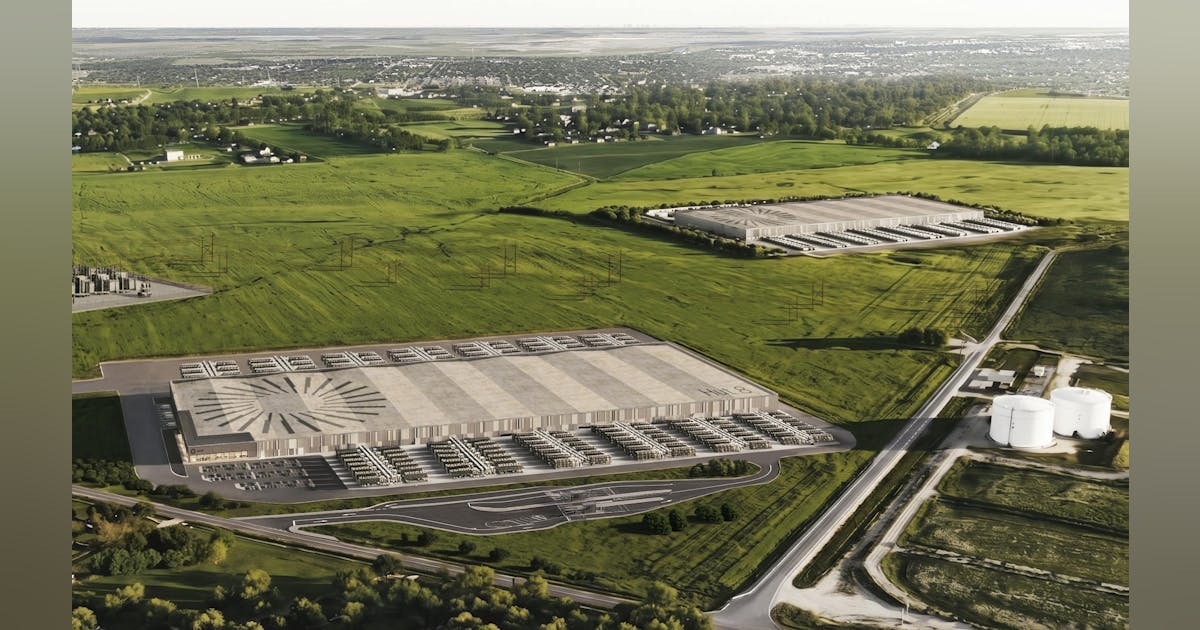
Furthermore, as AI models grow in size, physical data center boundaries are proving insufficient. Hyperscalers and large enterprises are adopting scale-across architectures that link multiple physical data centers, enabling distributed GPUs to operate as a single logical cluster. Cisco noted that network traffic in scale-across environments is roughly 14 times higher than in traditional data center interconnects.
What it means for IT pros: If your team still treats network capacity planning as an annual incremental upgrade, you will be left behind. Agentic workflows will overwhelm LANs, WANs, and data center networks with unprecedented volumes of multidirectional traffic. Network architects must immediately evaluate non-blocking topologies, high-density 400G/800G switching, and deterministic networking to prevent enterprise AI initiatives from stalling at the transport layer.