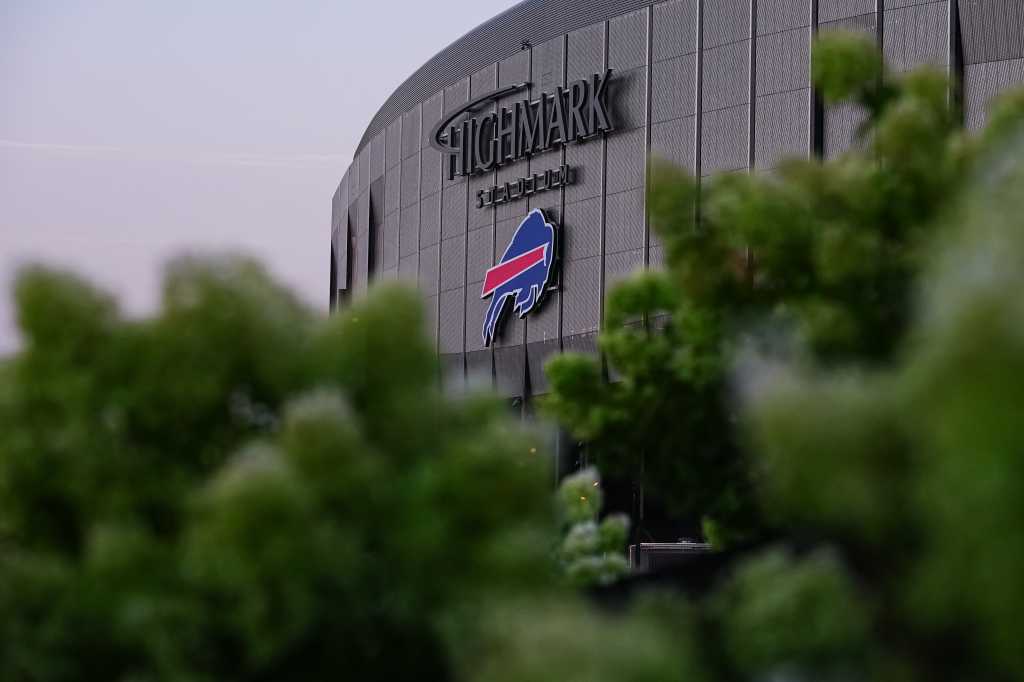
Cisco Vision Edge drives digital signage across the venue, Webex Calling handles staff communications, and Cisco Spaces feeds location-based analytics into Splunk to provide insight into crowd flow and fan behavior. The Bills have also begun testing Cisco’s AI IQ tool alongside Catalyst Center to flag potential network issues before they become outages — an early step toward predictive network operations. Perimeter security runs on Cisco Secure Firewall, though Handley said more advanced threat-defense tools remain on the roadmap. The data-center layer runs on Cisco UCS, integrated with Nutanix in a hyperconverged design built to scale as the venue’s technology footprint grows.
The most underrated decision: Build IT before the walls go up
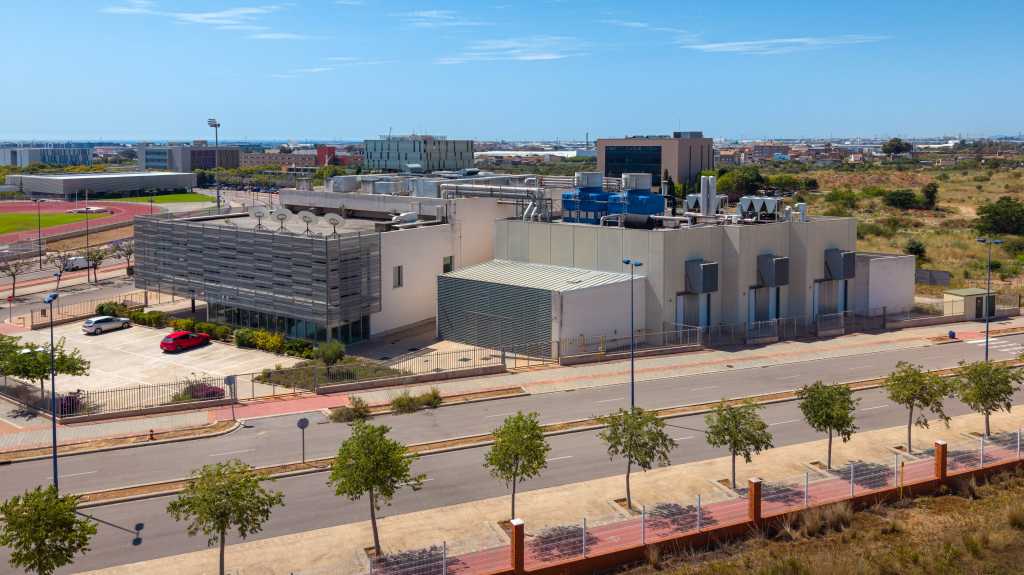
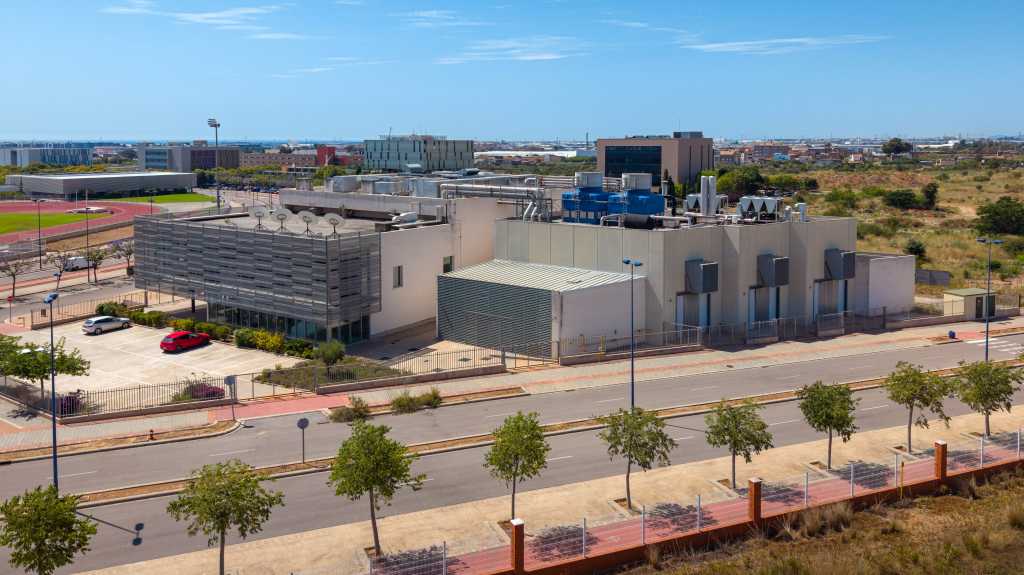
Perhaps the smartest architectural choice wasn’t a product at all but sequencing. The Bills built a dedicated, roughly 18,000-square-foot technology center outside the stadium bowl, with about 9,000 square feet for the distributed antenna system and the rest housing video production, common-carrier rooms, and the core 2110 broadcast infrastructure, all linked to the stadium by high-capacity fiber. Because that infrastructure sat in its own building rather than inside the stadium shell, the Bills were able to begin standing up IDFs, switches, and network cameras roughly eight months before the stadium’s completion — before some walls were even enclosed and before the bad weather hit the area. That meant the IT team wasn’t scrambling to finish the network buildout in the final days before opening, a common failure mode in large venue and facility projects.
Lessons for IT leaders across other industries
Few enterprises will build a stadium, but the underlying decisions translate directly.