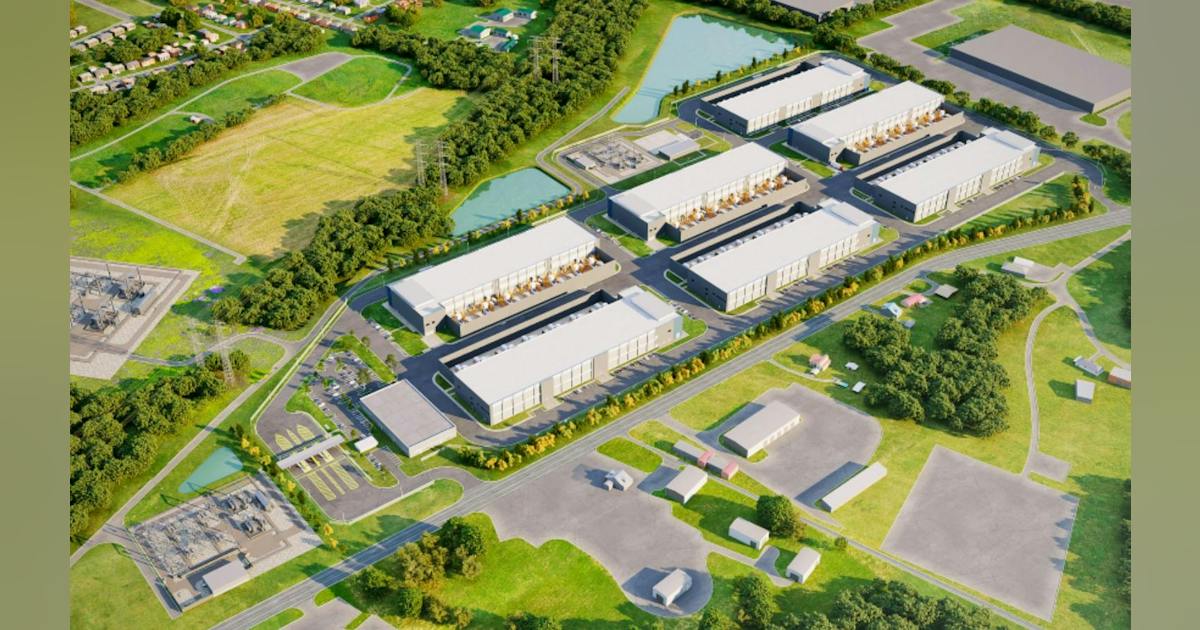
Dangote Group has enlisted Engineers India Ltd. (EIL) to deliver project management and engineering, procurement, and construction management (EPCM) services for subsidiary Dangote East Africa Petroleum Refinery & Petrochemicals SEZ’s proposed 700,000-b/d grassroots integrated refinery and petrochemical complex to be built in Mokowe, Lamu County, Kenya.
As part of the more than $450-million contract, EIL will serve as project management consultant (PMC) and EPCM consultant for the project, the service provider said in separate regulatory filings to BSE Ltd. and The National Stock Exchange of India Ltd.
The proposed complex is planned near Lamu Port and the Lamu Port-South Sudan-Ethiopia Transport (LAPSSET) corridor, which will connect the site with inland and regional markets by providing a coastal location for importing construction materials and crude as well as exporting refined products.
EIL said award of the PMC-EPCM consultancy contract for the Lamu refinery follows its previous role as PMC-EPCM consultant for Dangote Petroleum Refinery and Petrochemicals FZE (DPRP) 650,000-b/d refinery and petrochemical complex in the Lekki Free Zone near Lagos, Nigeria, which is currently being expanded to 1.4 million b/d.
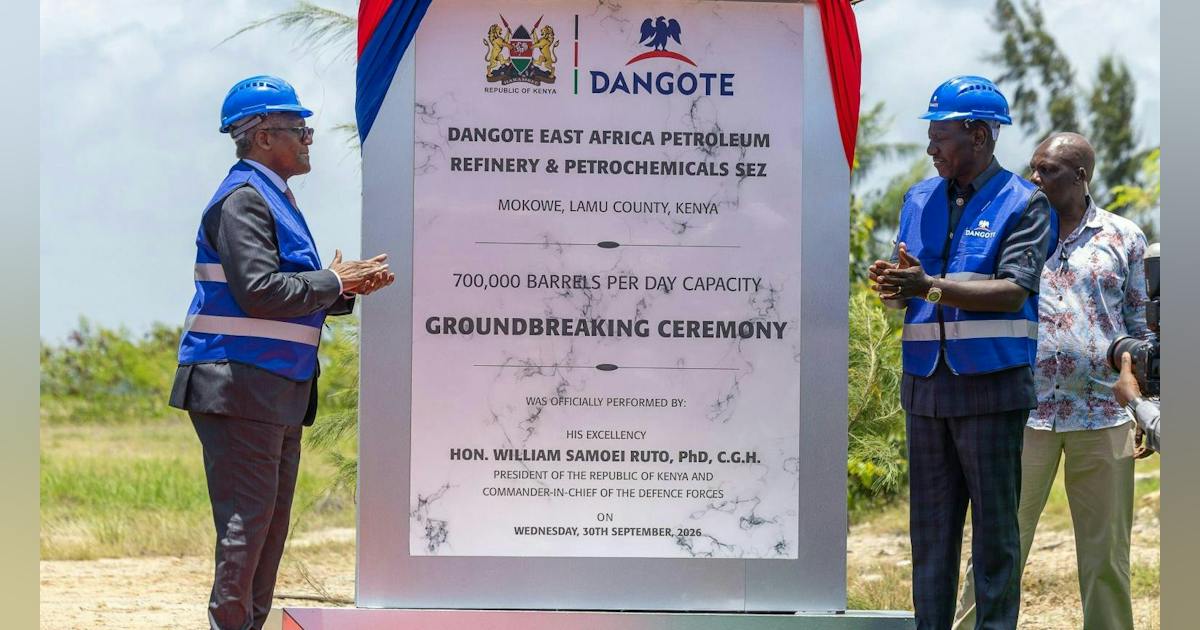
At a Sept. 30 groundbreaking ceremony for the Lamu refinery, Dangote described the $16-billion investment as a project aimed at expanding refined-product supply in East Africa that will serve markets both within and beyond Kenya.
While the refinery will presumably process Kenya’s production of domestic crude such as volumes from South Lokichar basin—which could which could begin production before December 2026 at a rate of about 20,000 b/d—the integrated complex also will process crude sourced from other African producers, including Uganda, the African Export-Import Bank (Afreximbank) said in a release Oct. 1.
Honeywell to license technologies
The EIL contract joins a separate $300-million contract awarded to Honeywell Technologies for delivery process technology and related services at Lamu, including technology licensing, engineering services, proprietary catalysts, equipment, and unspecified digital solutions.
The proposed refinery will use Honeywell-licensed proprietary technologies to produce gasoline, diesel, jet fuel, and about 1 million tonnes/year of polypropylene. The companies have yet to specifically identify the individual licensed process units covered by the agreement.