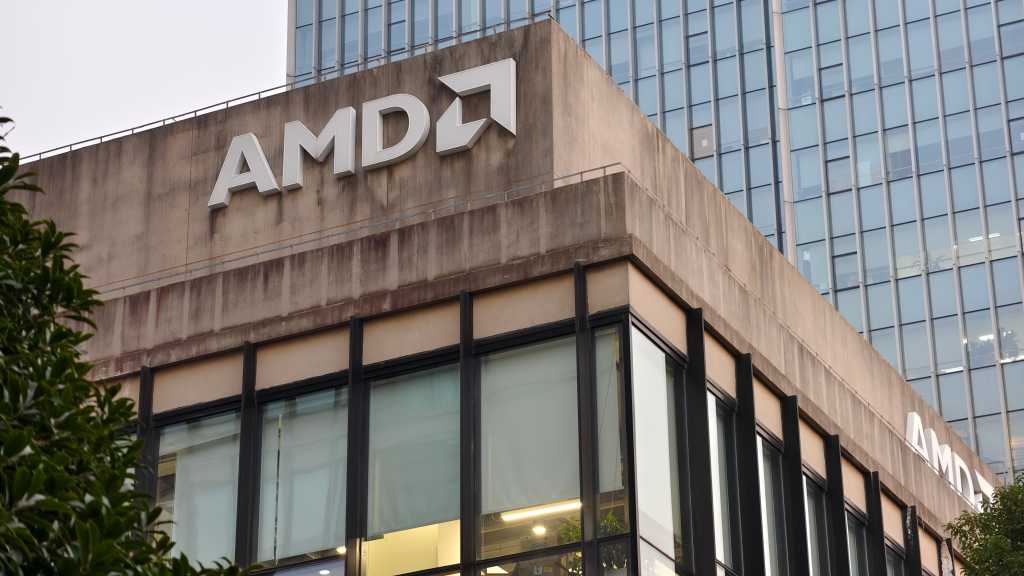
AMD EPYC, Intel Xeon, and Nvidia Vera represent three different approaches to the evolving data-centre CPU market, added Rawat. “AMD competes through high core density, memory capabilities and power efficiency, while Intel leverages its established enterprise ecosystem, platform compatibility and customer relationships. Nvidia is taking a different approach with Vera, an Arm-based CPU designed for AI and accelerated computing infrastructure. Unlike AMD and Intel, which target a broad range of general-purpose server workloads, Nvidia is positioning Vera as part of an integrated AI computing platform.”
For instance, Danish Faruqui, CEO at Fab Economics, recommends AMD’s high-core-count EPYC processors for cloud consolidation, VDI and AI agent workloads, while he says the high-frequency EPYC models are better suited to databases and enterprise applications where software licensing costs are a concern.
For memory-intensive HPC and scientific workloads, he recommends EPYC 9006, while recommending Nvidia Vera for tightly integrated AI training and inference clusters. Intel Xeon 6 remains an option for enterprises looking to maintain existing x86 infrastructure, particularly in air-cooled racks, he said.