Exxon Mobil Corp and Saudi Arabian Oil Co (Aramco) have agreed to evaluate upgrading their Samref refinery in Yanbu, Saudi Arabia, with plans to expand the site into an integrated petrochemical complex.
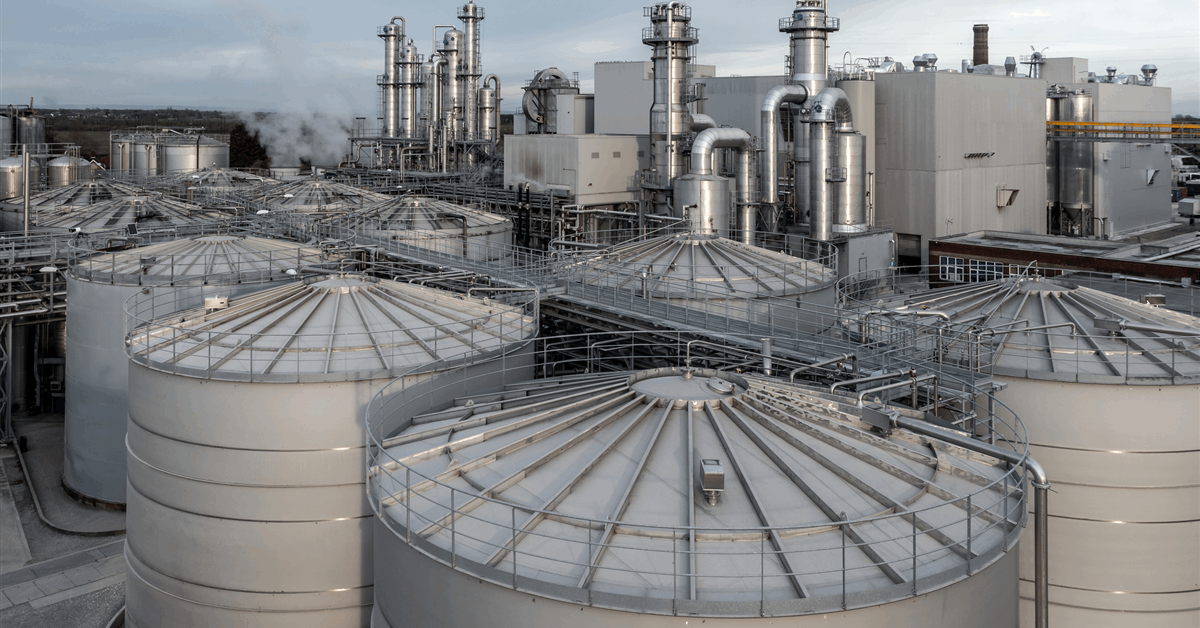
The facility currently has a declared oil processing capacity and storage capacity of about 400,000 barrels per day and 13.2 million barrels respectively. It produces mostly gasoline, as well as diesel fuel, heating oil, jet fuel, liquefied petroleum gas and others, the joint venture says on its website.
“The companies will explore capital investments to upgrade and diversify production, including high-quality distillates that result in lower emissions and high-performance chemicals, as well as opportunities to improve the refinery’s energy efficiency and reduce emissions from operations through an integrated emissions-reduction strategy”, Aramco said in a press release.
Aramco downstream president Mohammed Y. Al Qahtani said, “Designed to increase the conversion of crude oil and petroleum liquids into high-value chemicals, this project reinforces our commitment to advancing downstream value creation and our liquids-to-chemicals strategy. It will also position Samref as a key driver in the growth of the Kingdom’s petrochemical sector”.
ExxonMobil senior vice president Jack Williams said, “We look forward to evaluating this project, which aligns with our strategy to focus on investments that allow us to grow high-value products that meet society’s evolving energy needs and contribute to a lower-emission future”.
Aramco said, “The companies will commence a preliminary front-end engineering and design phase for the proposed project, which would aim to maximize operational advantages, enhance Samref’s competitiveness and help to meet growing demand for high-quality petrochemical products in the Kingdom”.
“Plans are subject to market conditions, regulatory approvals and final investment decisions by Aramco and ExxonMobil”, it said.
Samref is equally owned between Aramco and United States energy giant ExxonMobil.
In other downstream expansion activities Aramco recently completed the acquisition of an additional 22.5 percent stake in Rabigh Refining and Petrochemical Co (Petro Rabigh) from Sumitomo Chemical Co Ltd for $702 million or SAR 7 ($1.9) per share, as announced by Aramco October 9. The transaction has increased the oil giant’s ownership in Petro Rabigh to 60 percent. Tokyo-based Sumitomo retains 15 percent.
“We look forward to exploring closer integration with Petro Rabigh, with the aim of unlocking new opportunities and complementing Petro Rabigh’s broader transformation objectives, which include upgrading its product mix, enhancing asset reliability and optimizing operations”, Aramco senior vice president for fuels Hussain A. Al Qahtani said then.
In October Aramco completed its acquisition of a 25 percent stake in Unioil Petroleum Philippines Ltd, taking over more than 175 retail stations and four storage terminals in the Southeast Asian country. “Through this acquisition, Aramco continues to progress its strategic expansion of its global retail network in high-value markets”, Aramco said in its interim operational and financial report November 4.
In China, Aramco in September formed Fujian Sinopec Aramco Refining and Petrochemical Co Ltd with China Petroleum & Chemical Corp and Fujian Petrochemical Co Ltd. The JV will build an integrated refining and petrochemical complex in the province. Expected to start production by 2030, the site will have an oil refining capacity of 16 million tons per annum (MMtpa) or 320,000 barrels per day, an ethylene production capacity of 1.5 MMtpa, a paraxylene and downstream derivatives capacity of two MMtpa and a 300,000-ton crude terminal.
“The project represents the third major manufacturing collaboration between Aramco and Sinopec in China, following the successful launch of the Fujian Refining & Petrochemical Co project in 2007 and Sinopec SABIC Tianjing Petrochemical Company in 2009”, Aramco said September 9. “It is also the fifth joint venture between Aramco and Sinopec, extending their cooperation in refining and chemicals both in China and internationally”.
To contact the author, email [email protected]