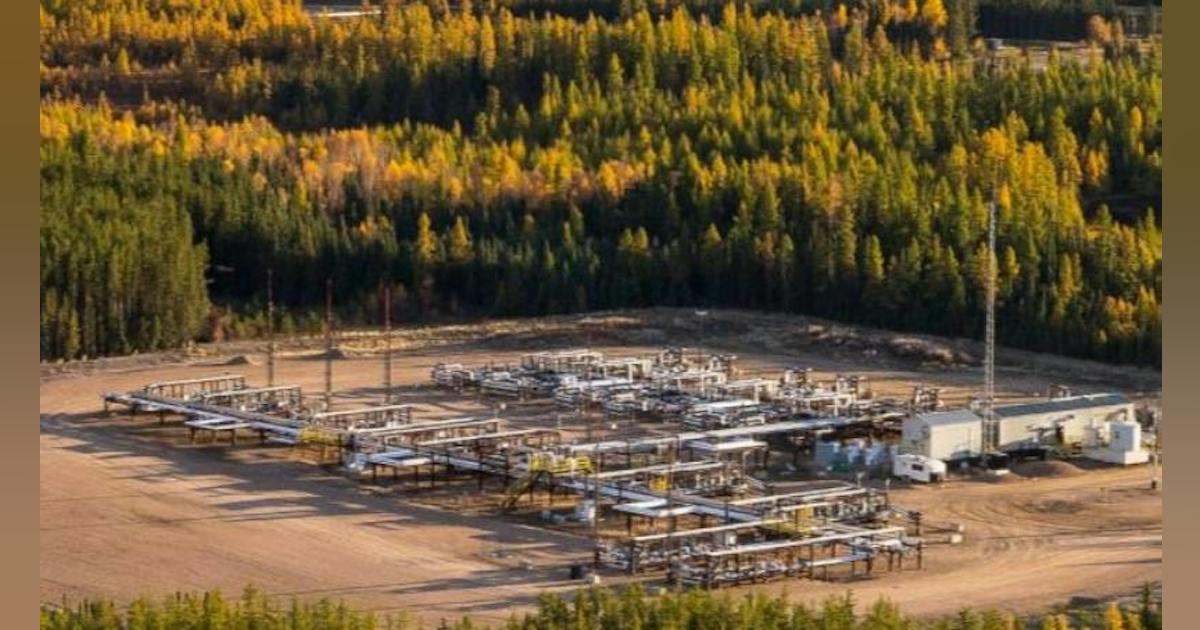
“These are long-life assets located in an area where Cenovus already has a deep operating experience and strong understanding of the resource,” McKenzie said on a conference call with analysts. “They also represent one of the only remaining large-scale opportunities to add meaningful thermal reserves, resource and future development inventory within the core of the oil sands.”
Among Cenovus’ growth plans is accelerating production from Athabasca’s Corner project northwest of Christina Lake by consolidating two planned expansion phases. Doing so would let Corner’s output grow to 40,000 boe/d by 2032, 3 years faster than today’s forecast. Also in the cards are efficiency projects at Athabasca’s Leismer assets that would grow production by half to about 60,000 boe/d by 2032.
Michael Berger, a senior analyst at Enverus Intelligence Research, said buying Athabasca “refills Cenovus’ growth pipeline” as it relates to future production growth. The deal, he added, also “represents an escalation in oil sands deal valuations” that reflects the energy sector’s changing global dynamics.
“The higher price paid by Cenovus compared to historical deals reflects a rerating of Canadian oil sands producers higher as the industry’s critical position in providing long-term oil resource in a resource-constrained world grows sharper,” Berger wrote in a commentary analyzing the acquisition plan. “While U.S. plays offer up to a decade of core inventory, the oil sands hold multiple decades. Additionally, scarcity always demands a premium and logical large-scale oil sands acquisition targets have been significantly drawn down.”
The planned transaction is expected to be roughly 70% funded by cash and 30% by Cenovus shares and should close by the end of this year. It also will consolidate ownership of Duvernay Energy Corp., an oil-weighted joint venture the two companies created nearly 3 years ago that today operates more than 170 locations on roughly 90,000 net acres. Executives say that entity (which also is a 30% working-interest partner on some lands with Murphy Oil Corp.) has the potential to grow production over time from today’s roughly 5,000 boe/d to more than 20,000 boe/d for at least 10 years.
As for possible future oil sands deals, Enverus’ Berger said the market is likely to cool since the majority of production and inventory is now held by large companies. Along with Cenovus, he said ConocoPhillips, Canadian Natural Resources Ltd., Suncor Energy Inc., and Imperial Oil Ltd. are now among the top resource holders in the region.