“This is really about control of the AI system, not just scale,” said Kimball. As AI evolves toward persistent, agentic workloads, the role of the CPU becomes “quite meaningful;” it serves as the control plane, handling orchestration, managing memory, scheduling, and other intensive tasks across accelerators.
“This is especially true in agentic environments, where the workloads will be less linear and more stateful,” he pointed out. So, ensuring a supply of these resources just makes sense.
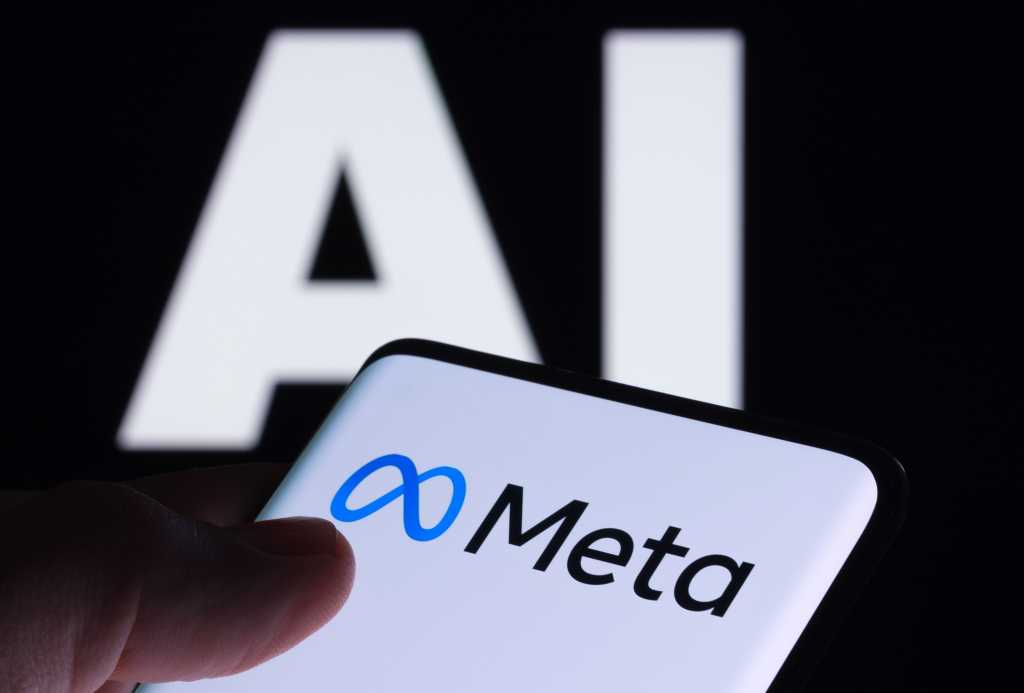
The agreement builds on Meta’s long-standing partnership with AWS, but also reflects what the company calls its “diversified approach” to infrastructure. “No single chip architecture can efficiently serve every workload,” the company emphasized.
Proving the point, Meta recently announced four new generations of its MTIA training and inference accelerator chip and signed a massive deal with AMD to tap into 6GW worth of CPUs and AI accelerators. It also entered into a multi-year partnership with Nvidia to access millions of Blackwell and Rubin GPUs and to integrate Nvidia Spectrum-X Ethernet switches into its platform, and was also one of Arm’s first major CPU customers.
In the wake of all this, Nabeel Sherif, a principal advisory director at Info-Tech Research Group, posed the burning question: “What are they going to do with all this capacity?”
Primarily it will support Meta’s internal experimentation and innovation, he said, but it also lays the groundwork and provides the capacity for Meta to offer its own agentic AI services, for instance, its Llama AI model as an API, to the market.