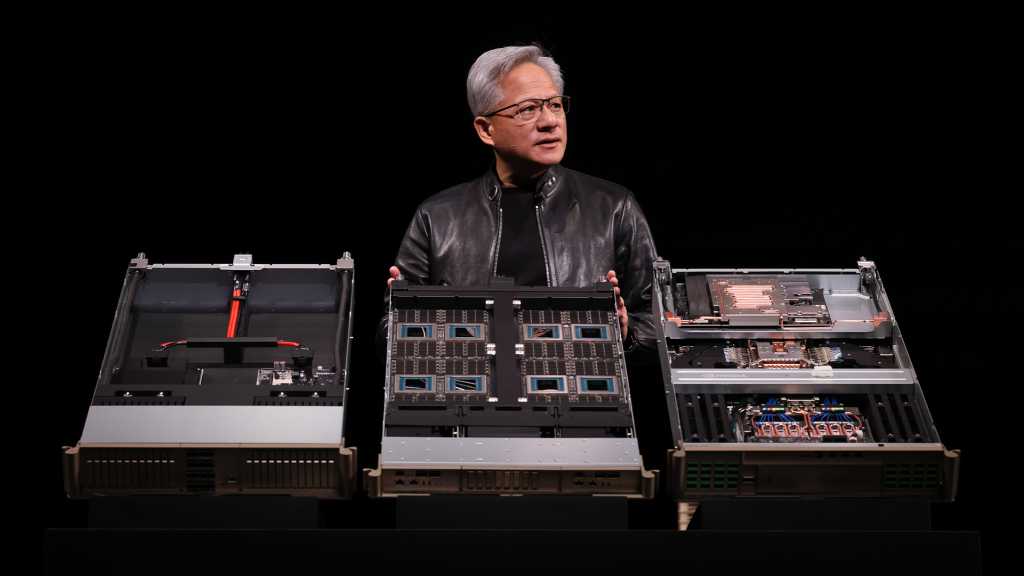
The Rubin platform was expected to see early adoption among hyperscalers and AI-native companies, which have the infrastructure to support high-density systems, advanced cooling, and tightly integrated architectures.
Hyperscalers to absorb shock
Typically, hyperscalers lead early adoption of advanced GPUs, deploying them internally and through cloud platforms, with enterprises gaining access later via APIs and services over the next 6-12 months.
“Hyperscalers (will) absorb the initial shock by extending Blackwell lifecycles and prioritizing high-ROI workloads, reducing external capacity. This tightens cloud availability, increases pricing volatility, and elevates the importance of reserved capacity,” said Manish Rawat, semiconductor analyst at TechInsights.
He added that enterprises are likely to face a second-order impact, including constrained access to cloud-based AI infrastructure and delays in the availability of next-generation instances.
Enterprise impact: delays, cost pressure
If Rubin’s rollout is delayed, it is unlikely to halt enterprise AI adoption. But it will affect deployment timelines and cost expectations.
Many enterprise AI strategies are quietly built on the expectation that future hardware will fix today’s inefficiencies. Better performance per dollar, higher density, improved energy efficiency, Gogia said.