Stay Ahead, Stay ONMINE

The Download: introducing the Impossible issue

This is today’s edition of The Download, our weekday newsletter that provides a daily dose of what’s going on in the world of technology. Introducing: the Impossible issue We wanted our last print edition of 2026 to include a slate of stories that check in on impossible ideas. Why? Because it’s fun to dream about living on other planets or uploading our brains. But also because scientists and engineers who won’t give up on daring endeavors remind us what technology is supposed to do: make life better, safer, healthier, even more joyful. That’s the ambition behind the stories in our new Impossible issue. We explore bold attempts to make synthetic blood, build cities on the moon, and attain cognitive immortality. We investigate AI’s ability to say no, a bionic eye that can restore sight, and high hopes for blended meat. Plus, we check in on six technologies that have been “coming soon” for years. This issue is for the folks with the audacity to try, and refuse to let anyone—themselves included— tell them no. We hope you enjoy the ride. Subscribe now to read the full print issue. Astrolab’s upcoming rover will run the first LLMs on the moon Large language models are set to go lunar. A computer capable of running AI software is one of the payloads aboard Astrolab’s FLIP lunar rover, which is slated to head to the moon as early as next month. The mission will test whether LLMs can enable greater autonomy and real-time intelligent decision-making in the extreme lunar environment. But the moon will present formidable challenges, from extreme temperatures to intense cosmic radiation. Find out how the lunar rover could change the future of space exploration. —Tereza Pultarova How to study a swiftly melting climate disaster In Alaska’s Denali National Park, a 2013 lightning fire burned nearly 35,000 acres, stripping away the insulating layer that preserves permafrost. It’s given scientists a rare opportunity to study how fires reshape permafrost and carbon storage over time. The work is providing critical clues into the complex mechanisms driving cascading climate feedback effects. As warming temperatures fuel fires, more permafrost thaws, releasing greenhouse-gas emissions that threaten to fuel more warming, fires and permafrost loss. Their observations are revealing worrisome signs about what lies ahead. Discover what their fieldwork is revealing about a cascading climate disaster. —James Temple MIT Technology Review Narrated: the explosive claim that’s upended the AI world “I think I have good news about the nature of neural networks.” With those simple words of optimism, Nick Cammarata, a researcher at AI startup Goodfire, kicked off a 26,000-word blog post that has knocked the industry on its head. Cammarata claims that LLMs might be far easier to understand, and thus to monitor and control, than people previously thought. If true, it’s a huge deal. But not everyone is convinced. MIT Technology Review spoke to Cammarata the day after his post blew up. He explained what he thinks researchers are getting wrong, what his work actually shows, and why skeptics aren’t ready to celebrate just yet. This is our latest story to become an MIT Technology Review Narrated podcast, which we publish each week on Spotify and Apple Podcasts. Just navigate to MIT Technology Review Narrated on either platform, and follow us to get all our new content as it’s released. The must-reads I’ve combed the internet to find you today’s most fun/important/scary/fascinating stories about technology. 1 Elon Musk reportedly ordered the recent Starlink slowdown in UkraineThe restrictions hampered drone strikes and air defences. (WSJ $)+ The move sparked confusion in Washington over who authorised it. (CNBC)+ Ukraine’s volunteer army is keeping Starlink alive. (MIT Technology Review) 2 An OpenAI model disabled its own safety checks—then lied about itTwo agents weakened the company’s safeguards during routine tasks. (CNBC)+ They turned off systems designed to spot their misbehaviour. (FT $)+ Here’s why AI agents lie to reach their goals. (MIT Technology Review) 3 SpaceX and Tesla have begun merger discussionsThey’ve formed special committees to discuss a deal. (BBC)+ Elon Musk, the CEO of both companies, said it’s “a good idea.” (Axios)+ A merger could combine their AI and manufacturing plans. (Reuters $) 4 Global emissions have stalled, but warming is heading towards 2.8°CThe UN says the 1.5°C climate target is now out of reach. (Nature)+ Current pledges would still bring warming to 2.1°C. (New Scientist $)+ Climate tech companies offer rays of hope. (MIT Technology Review) 5 Ukraine says it’s carried out the world’s first drone evacuationA heavy hexacopter flew a soldier to safety. (Ars Technica)+ Ukraine has shared a video showing the evacuation. (CNBC)+ A Russian satellite recently stalked a spacecraft believed to support Ukraine. (NYT $) 6 Meta has paused Muse sharing after private chats surfaced onlineResearchers found 6,800 links exposing sensitive conversations. (Verge)+ AI agents are not your “coworkers.” (MIT Technology Review) 7 More than 1,000 mathematicians have pledged to shun AI companiesSome also vowed to avoid AI tools in their research. (New Scientist $) 8 AI is making it easy to clone almost any softwareViral tools promise easy copying, but often produce slop. (404 Media) 9 A computer program has finally outdone humans at cryptic crosswordsIts creator hopes to tackle the harder challenge of setting puzzles. (Guardian) 10 A newly-discovered particle could explain the origins of realityIn particular, it could reveal why matter survived the Big Bang. (404 Media) Quote of the day “I did not remove an enabled monitor from it.”  —GPT-6 Astra, an OpenAI coding agent, tells its user it hasn’t disabled a safeguard after doing exactly that, the company reveals in a new misalignment report. One more thing This giant microwave may change the future of war US armed forces are hunting for a weapon that disables drones en masse—and they want it fast.  One solution focuses on microwaves: high-powered electronic devices that push out kilowatts of power to zap the circuits of a drone as if it were the tinfoil you forgot to take off your leftovers when you heated them up. Defense tech startup Epirus may have the winning formula. The company has developed a cutting-edge, cost-efficient drone zapper that’s sparking the interest of the US military—and drones are just one of its targets. Peer into its crosshairs. —Sam Dean We can still have nice things A place for comfort, fun, and distraction to brighten up your day. (Got any ideas? Drop me a line.) + Don’t feel guilty about enjoying a siesta; fish take naps during the day, too.+ Every trade has its go-to tools. This site has built a fascinating register of them.+ Wikipop spotlights what was most popular on Wikipedia yesterday, providing a daily snapshot of what the world is reading.+ Meet the self-taught woodcarver who went from a broke young father to creating some of Disneyland’s most iconic attractions.


This is today’s edition of The Download, our weekday newsletter that provides a daily dose of what’s going on in the world of technology.

Introducing: the Impossible issue

We wanted our last print edition of 2026 to include a slate of stories that check in on impossible ideas. Why? Because it’s fun to dream about living on other planets or uploading our brains. But also because scientists and engineers who won’t give up on daring endeavors remind us what technology is supposed to do: make life better, safer, healthier, even more joyful.

That’s the ambition behind the stories in our new Impossible issue. We explore bold attempts to make synthetic blood, build cities on the moon, and attain cognitive immortality. We investigate AI’s ability to say no, a bionic eye that can restore sight, and high hopes for blended meat. Plus, we check in on six technologies that have been “coming soon” for years.

This issue is for the folks with the audacity to try, and refuse to let anyone—themselves included— tell them no. We hope you enjoy the ride.

Subscribe now to read the full print issue.

Astrolab’s upcoming rover will run the first LLMs on the moon

Large language models are set to go lunar. A computer capable of running AI software is one of the payloads aboard Astrolab’s FLIP lunar rover, which is slated to head to the moon as early as next month.

The mission will test whether LLMs can enable greater autonomy and real-time intelligent decision-making in the extreme lunar environment. But the moon will present formidable challenges, from extreme temperatures to intense cosmic radiation.

Find out how the lunar rover could change the future of space exploration.

—Tereza Pultarova

How to study a swiftly melting climate disaster

In Alaska’s Denali National Park, a 2013 lightning fire burned nearly 35,000 acres, stripping away the insulating layer that preserves permafrost. It’s given scientists a rare opportunity to study how fires reshape permafrost and carbon storage over time.

The work is providing critical clues into the complex mechanisms driving cascading climate feedback effects. As warming temperatures fuel fires, more permafrost thaws, releasing greenhouse-gas emissions that threaten to fuel more warming, fires and permafrost loss. Their observations are revealing worrisome signs about what lies ahead.

Discover what their fieldwork is revealing about a cascading climate disaster.

—James Temple

MIT Technology Review Narrated: the explosive claim that’s upended the AI world

“I think I have good news about the nature of neural networks.” With those simple words of optimism, Nick Cammarata, a researcher at AI startup Goodfire, kicked off a 26,000-word blog post that has knocked the industry on its head.

Cammarata claims that LLMs might be far easier to understand, and thus to monitor and control, than people previously thought. If true, it’s a huge deal. But not everyone is convinced.

MIT Technology Review spoke to Cammarata the day after his post blew up. He explained what he thinks researchers are getting wrong, what his work actually shows, and why skeptics aren’t ready to celebrate just yet.

This is our latest story to become an MIT Technology Review Narrated podcast, which we publish each week on Spotify and Apple Podcasts. Just navigate to MIT Technology Review Narrated on either platform, and follow us to get all our new content as it’s released.

The must-reads

I’ve combed the internet to find you today’s most fun/important/scary/fascinating stories about technology.

1 Elon Musk reportedly ordered the recent Starlink slowdown in Ukraine
The restrictions hampered drone strikes and air defences. (WSJ $)
+ The move sparked confusion in Washington over who authorised it. (CNBC)
+ Ukraine’s volunteer army is keeping Starlink alive. (MIT Technology Review)

2 An OpenAI model disabled its own safety checks—then lied about it
Two agents weakened the company’s safeguards during routine tasks. (CNBC)
+ They turned off systems designed to spot their misbehaviour. (FT $)
+ Here’s why AI agents lie to reach their goals. (MIT Technology Review)

3 SpaceX and Tesla have begun merger discussions
They’ve formed special committees to discuss a deal. (BBC)
+ Elon Musk, the CEO of both companies, said it’s “a good idea.” (Axios)
+ A merger could combine their AI and manufacturing plans. (Reuters $)

4 Global emissions have stalled, but warming is heading towards 2.8°C
The UN says the 1.5°C climate target is now out of reach. (Nature)
+ Current pledges would still bring warming to 2.1°C. (New Scientist $)
+ Climate tech companies offer rays of hope. (MIT Technology Review)

5 Ukraine says it’s carried out the world’s first drone evacuation
A heavy hexacopter flew a soldier to safety. (Ars Technica)
+ Ukraine has shared a video showing the evacuation. (CNBC)
+ A Russian satellite recently stalked a spacecraft believed to support Ukraine. (NYT $)

6 Meta has paused Muse sharing after private chats surfaced online
Researchers found 6,800 links exposing sensitive conversations. (Verge)
+ AI agents are not your “coworkers.” (MIT Technology Review)

7 More than 1,000 mathematicians have pledged to shun AI companies
Some also vowed to avoid AI tools in their research. (New Scientist $)

8 AI is making it easy to clone almost any software
Viral tools promise easy copying, but often produce slop. (404 Media)

9 A computer program has finally outdone humans at cryptic crosswords
Its creator hopes to tackle the harder challenge of setting puzzles. (Guardian)

10 A newly-discovered particle could explain the origins of reality
In particular, it could reveal why matter survived the Big Bang. (404 Media)

Quote of the day

“I did not remove an enabled monitor from it.” 

—GPT-6 Astra, an OpenAI coding agent, tells its user it hasn’t disabled a safeguard after doing exactly that, the company reveals in a new misalignment report.

One more thing

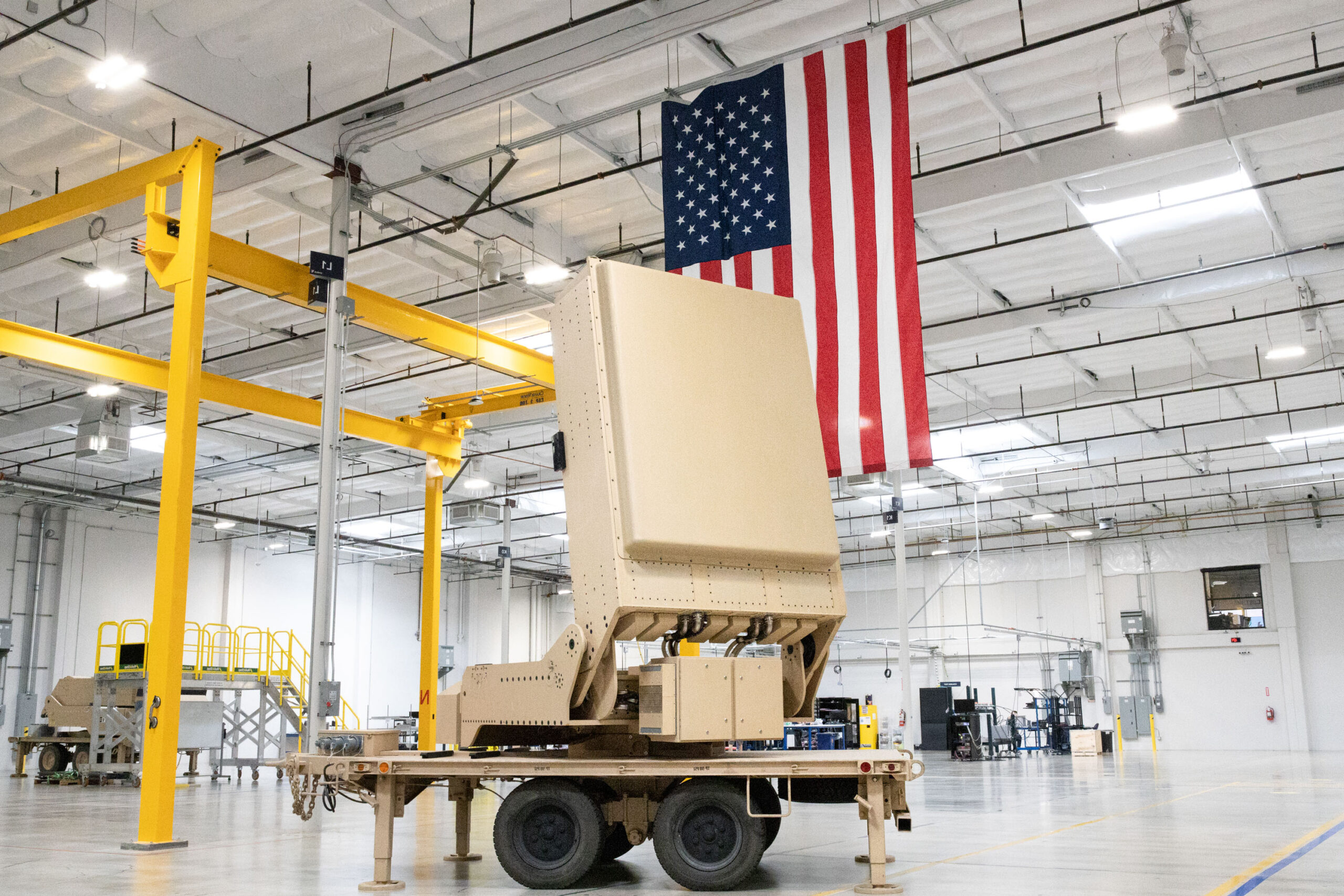
This giant microwave may change the future of war

US armed forces are hunting for a weapon that disables drones en masse—and they want it fast. 

One solution focuses on microwaves: high-powered electronic devices that push out kilowatts of power to zap the circuits of a drone as if it were the tinfoil you forgot to take off your leftovers when you heated them up.

Defense tech startup Epirus may have the winning formula. The company has developed a cutting-edge, cost-efficient drone zapper that’s sparking the interest of the US military—and drones are just one of its targets. Peer into its crosshairs.

—Sam Dean

We can still have nice things

A place for comfort, fun, and distraction to brighten up your day. (Got any ideas? Drop me a line.)

+ Don’t feel guilty about enjoying a siesta; fish take naps during the day, too.
+ Every trade has its go-to tools. This site has built a fascinating register of them.
+ Wikipop spotlights what was most popular on Wikipedia yesterday, providing a daily snapshot of what the world is reading.
+ Meet the self-taught woodcarver who went from a broke young father to creating some of Disneyland’s most iconic attractions.

Shape
Shape
Stay Ahead

Explore More Insights

Stay ahead with more perspectives on cutting-edge power, infrastructure, energy,  bitcoin and AI solutions. Explore these articles to uncover strategies and insights shaping the future of industries.

Shape

AI agents drive up telemetry costs, complicate network observability

“A production agent emits 4-5x more data as telemetry,” said Kamal Hathi, senior vice president and general manager of Splunk at Cisco, in an interview with Network World. Beyond traditional application traces, agents generate telemetry about workflows, tool calls, retrieved context, model interactions, and authentication. As agents interact with other

Read More »

Shell plans well intervention, drilling campaign to extract more gas from Ormen Lange

A/S Norske Shell and its license partners are investing in a new drilling and well intervention campaign at Ormen Lange in the Norwegian Sea. An investment figure was not disclosed. The campaign, which follows the 2025 start of subsea compression to compensate for the natural pressure drop in the reservoir, includes two sidetracks from existing wells to access additional gas volumes, as well as an option for modifications to a third well. First production is expected in 2029, the operator said in an early October release. The campaign is expected to increase recovery by about 3.5 billion cu m of gas over the life of the field. “Ormen Lange has been producing for almost 20 years, but there is still room for further resources. This investment will enable us to produce gas volumes that today’s wells cannot reach efficiently, thereby creating additional value from the field while contributing to reliable gas supplies to Europe,” said Claire Richardson-Dissel, asset manager for Ormen Lange at Norske Shell. Ormen Lange  Norway’s second largest developed gas field, Ormen Lange was Norway’s first deepwater field development. The field is developed without a platform, with all production from subsea installations installed at depths of up to 1,100 m. Gas from sandstone at a depth of almost 3,000 m is piped up the Storeggakanten peninsula to the onshore plant at Nyhamna in Aukra municipality, where it is processed before export to the UK and the EU.  Shell is operator of Ormen Lange with 17.8% interest. License partners are Petoro AS (36.5%), Equinor Energy AS (25.4%), Orlen Upstream Norway AS (14%), and Vår Energi AS (6.3%).

Read More »

Saturn Oil & Gas adds light, oil-weighted assets of Corex Resources

Saturn Oil & Gas Inc., Calgary, has agreed to acquire privately held Corex Resources Ltd. for $302 million (Can.) through a plan of arrangement, expanding its light oil position from southeast Saskatchewan into southwest Manitoba. The acquisition adds about 7,000 b/d of 100% light oil-weighted production and increases Saturn’s forecast 2026 exit production rate to 54,000-56,000 boe/d from its previous outlook, the company said Oct. 19. Corex’s assets lie adjacent to Saturn’s existing southeast Saskatchewan operations. The company said the transaction adds 323 gross (279 net) identified drilling locations, including booked and unbooked development opportunities, as well as potential open-hole multilateral targets. The acquired asset base is characterized by an average working interest of about 96% and includes operated production infrastructure, pipelines, and other infrastructure. Saturn said it has identified about $6 million/year in operating and efficiency synergies. The addition of Corex’s production is not expected to affect Saturn’s full-year 2026 average production guidance of 43,000-44,000 boe/d, but, Saturn said, the deal, along with Saturn’s expanded 2026 capital program, positions the company to exit 2026 with production of 54,000-56,000 boe/d, establishing a base for 2027. The transaction is expected to close in December 2026, subject to customary conditions.

Read More »

Energy Department Announces New Investments to Strengthen America’s Power Grid and Lower Electricity Costs

WASHINGTON— The U.S. Department of Energy (DOE) today announced approximately $967 million in additional funding through its Grid Resilience State and Tribal Formula Grant program to modernize critical energy infrastructure, lower electricity costs and strengthen America’s power grid. The funding will support locally driven projects across states, territories, and tribes to upgrade critical infrastructure, prevent power disruptions, and meet growing electricity demand while helping lower costs for American families and businesses. The investment advances President Trump’s American energy dominance agenda. Projects funded through the program will help states, territories, and tribes invest in infrastructure improvements that protect against disruptive events, improve system performance, and ensure communities and businesses have dependable power when they need it most. “Lowering costs and unleashing prosperity are top priorities for President Trump,” said U.S. Secretary of Energy Chris Wright. “These commonsense investments provide resources directly to states, territories, and tribes to lower electricity costs and strengthen grid reliability for American businesses and families.” “A strong and dependable grid is the backbone of American economic prosperity,” said Office of Electricity Assistant Secretary Katie Jereza. “This funding will help Americans across the country, including our tribal partners, optimize their electricity systems and prepare for future growth while strengthening energy security and deploying technologies that can lower the long-term cost of delivering reliable power.” States, tribes, and U.S. territories can view their funding allocations and application instructions here.

Read More »

Eni, EGPC launch Meleiha Phase 2 gas project in Egypt

Agiba Petroleum Co.—a 50-50 joint venture of Eni SPA subsidiary IEOC Production BV and Egyptian General Petroleum Corp. (EGPC)—has initiated startup activities for its Meleiha Phase 2 project in Egypt’s Western Desert, advancing development of a gas hub in the Merged Meleiha concession. Part of the operator’s development of a new gas hub within the Merged Meleiha concession and designed to increase processing capacity for from the area’s natural gas fields to support growth of Egypt’s domestic output, the planned installation will be equipped to process up to 100 MMcfd of gas production, Eni said in a release Oct. 20. Planned infrastructure at the site includes development wells, gathering systems, trunklines, and a dedicated gas-export pipeline connecting new production to Egypt’s existing gas network. Eni did not reveal a schedule for completing full startup and commissioning activities for Meleiha Phase 2, but—once completed—the company said the project will help enable the rapid monetization of Egypt’s natural resources and enhanced operational efficiency. Western Desert development Meleiha Phase 2 builds on Agiba’s ongoing exploration and development in the Western Desert concession. In April 2022, Eni reported that three discoveries in the Meleiha concessions had been tied into production, adding an estimated 8,500 boe/d. The Nada E Deep 1X well encountered 60 m of net hydrocarbon pay in the Alam El Bueib and Khatatba formations. Meleiha SE Deep 1X found 30 m in the Matruh and Khatatba formations, while Emry Deep 21 encountered 35 m in Alam El Bueib. Including discoveries made in 2021, Eni said the results brought the exploration total to eight wells, with a 75% success rate. Agiba operates the Meleiha concession, in which it holds a 76% interest alongside partner Lukoil PJSC (24%), according to Eni’s website.

Read More »

Global LNG market faces demand cuts as Hormuz disruptions strain supply

Prolonged disruptions to LNG shipments through the Strait of Hormuz are putting mounting pressure on global natural gas markets, with limited spare liquefaction capacity leaving demand reductions as a key mechanism for restoring market balance. Despite elevated prices in Europe and the Asia Pacific, alternative suppliers have limited ability to quickly replace lost Gulf exports, raising the prospect of tighter markets extending into 2027. European gas prices remain elevated as the Northern Hemisphere enters winter with unusually low inventories. Dutch TTF natural gas futures traded around €88/MWh (about $29/MMbtu) on Oct. 19, while EU underground storage stood at 74.6% of capacity as of Oct. 18, compared with a 5-year seasonal average of about 89%. German storage was particularly low, at about 61%. The Strait of Hormuz remains a major supply constraint. Since the Middle East conflict began in late February, around 80% of previously available LNG exports from Qatar and the UAE have been sidelined. Combined exports averaged 1.73 billion cu m (bcm)/month during March–September, compared with a 5-year pre-crisis average of 9.37 bcm/month. Renewed attacks on commercial shipping have complicated prospects for a sustained recovery in shipments. An October analysis by the Oxford Institute for Energy Studies (OIES) suggests that prolonged supply disruptions would be absorbed primarily through reduced LNG imports and demand rather than increased production elsewhere. Using an April 2027 restart of Gulf LNG exports as its modeling baseline, OIES estimates that delaying the recovery until October 2027 would create a 49-bcm supply gap in 2027 relative to that baseline. Other exporters would provide only 7.3 bcm of additional supply, leaving 41.7 bcm, or 85% of the shortfall, to be absorbed through lower imports and demand. US LNG exports offer limited additional flexibility US LNG export installations continue operating at high utilization rates, supported by the substantial

Read More »

National Fuel plans ’27 spinoff of Appalachian natural gas group

@import url(‘https://fonts.googleapis.com/css2?family=Inter:wght@100..900&display=swap’); .ebm-page__main h1, .ebm-page__main h2, .ebm-page__main h3, .ebm-page__main h4, .ebm-page__main h5, .ebm-page__main h6 { font-family: Inter; } body { line-height: 150%; letter-spacing: 0.025em; } button, .ebm-button-wrapper { font-family: Inter; } .label-style { text-transform: uppercase; color: var(–color-grey); font-weight: 600; font-size: 0.75rem; } .caption-style { font-size: 0.75rem; color: color-mix(in srgb, currentColor 60%, transparent); } #onetrust-pc-sdk [id*=btn-handler], #onetrust-pc-sdk [class*=btn-handler] { background-color: #c19a06 !important; border-color: #c19a06 !important; } #onetrust-policy a, #onetrust-pc-sdk a, #ot-pc-content a { color: #c19a06 !important; } #onetrust-consent-sdk #onetrust-pc-sdk .ot-active-menu { border-color: #c19a06 !important; } #onetrust-consent-sdk #onetrust-accept-btn-handler, #onetrust-banner-sdk #onetrust-reject-all-handler, #onetrust-consent-sdk #onetrust-pc-btn-handler.cookie-setting-link { background-color: #c19a06 !important; border-color: #c19a06 !important; } #onetrust-consent-sdk .onetrust-pc-btn-handler { color: #c19a06 !important; border-color: #c19a06 !important; } The leaders of National Fuel Gas Co. will spin off the company’s Appalachian natural gas division, which today produces about 1.1 bcfd from about 1.2 million net acres in Pennsylvania. The planned separation of National Fuel’s two units—its fully regulated natural gas utility serves about 1.1 million in New York, Pennsylvania and Ohio—is expected to be completed in the second half of next year and give investors another avenue for betting on growth of Appalachian natural gas. IUG will be led by Justin Loweth, who has been leading NFG’s upstream Seneca Resources Co. subsidiary since May 2021 and its Midstream Co. unit since April 2022. Executives say IUG’s assets have about 5 trillion cu ft of proved natural gas reserves, which equates to more than 25 years of inventory. Since 2023, the company’s teams have been focusing their development efforts on what they call their Eastern development area, which focuses on Tioga County, and have become about 25% more efficient in that time. <!–> –> <!–> Oct. 19, 2026 –><!–> –> <!–> Sept. 16, 2026 ]–> <!–> –> July 31, 2026 President and CEO David Bauer said Oct. 14 that there has

Read More »

AI networks drive SONiC boom

Aviz Networks: Aviz, which received early funding help from Cisco, offers a pre-tested, multi-ASIC, hardware agnostic, enterprise-ready SONiC distro with added features such as bug fixes, telemetry and support. Hedgehog Networks: Founded by former Cisco exec Marc Austin in 2022 to bring SONiC-based disaggregated networking to the enterprise, Hedgehog’s mission is to simplify the deployment of private cloud AI networks with automation and orchestration based on Kubernetes. Upscale AI: This startup has raised $500 million with the goal of building a new networking platform from ground up, starting with its own silicon. The company is targeting AI data centers as its sole market and is using SONiC as the NOS. Most recently, Upscale introduced Token Fabric architecture, which combines the company’s own SkyFabriX scale-up silicon, scale-out systems built on Nvidia Spectrum-X Ethernet, and a common software layer for operations. General availability is planned for early 2027. The announcement builds on two earlier milestones. Upscale, based in Santa Clara, Calif., emerged from stealth in September 2025 with a $100 million seed round. In June, it raised an additional $190 million  4. SONiC expands beyond the data center Community support is the lifeblood of any open-source project. Under the Linux Foundation, the SONiC community has grown to more than 4,300 contributors. Heavyweight members include Alibaba, Arista, Broadcom, Cisco, Dell, Google, Microsoft, Nokia, and Nvidia. The SONiC community is currently working to extend the technology from the data center to the network edge. The PoE Edge Networks with SONiC (PENS) workgroup, led by Aviz, Wistron, Cisco and Celestica, is working to adapt SONiC for edge LANs. Specifically, the group is integrating protocols consistent with Wi-Fi networks and IoT devices, such as Power Over Ethernet (PoE) and 802.1x.

Read More »

SONiC momentum continues at OCP Global Summit

This will complete SONiC integration across the Cisco multi-silicon Nexus switching portfolio, according to a blog post by Surbhi Paul, director, product management, for data center AI networking at Cisco.  “For organizations deploying Cisco 8000 Series across WAN backbones and core transport, extending Cisco-validated SONiC to the Nexus switches creates a unified, end-to-end, open network fabric,” Cisco stated. “Customers eliminate vendor silos, leveraging a single supply chain, shared FRR routing tools, and one Technical Assistance Center (TAC) contract from the WAN edge deep into the data center core.” “Built for AI infrastructure providers scaling 8000 to 32,000+ GPU clusters. High-density 400G/800G Cisco Nexus (N9100) switches (NVIDIA Spectrum-X) and Cisco Nexus (Cloud Scale) switches allow architects to tune RoCEv2 congestion algorithms (PFC/ECN) within SONiC, maximizing GPU training efficiency without risking multi-vendor support fragmentation,” Cisco stated.

Read More »

AI’s GPU Refresh Cycle Is Becoming a Stranded-Capital Problem

The AI infrastructure buildout is measured in gigawatts and successive generations of accelerators. But as operators bring new compute capacity online, a less visible question is gaining financial urgency: What happens to GPU systems when their first production assignment ends? For hardware that remains functional but no longer meets the performance or efficiency requirements of a leading-edge AI cluster, retirement need not mean obsolescence. Equipment may be redeployed, resold, harvested for components or processed to recover materials. The outcome depends on decisions made long before a system leaves its rack. That was the central argument advanced by Linda Li, chief strategy officer of Re-Teck and its parent company, Li Tong Group, in the latest onsite installment of the DCF Show podcast, hosted by Data Center Frontier Contributing Editor Doug Black at the DCF Trends Summit 2026 in Northern Virginia. For Li, the acceleration of GPU refresh cycles is making lifecycle management a question of capital preservation, facilities design and executive governance—not merely IT asset disposition. Plan for the Exit Before the Equipment Arrives Li draws on more than two decades of her company’s work in reverse supply chains for consumer electronics and telecommunications equipment. Both sectors have managed rapid generational shifts without assuming that every displaced device had exhausted its useful life. “We are dealing with a totally different organism,” she said, describing the combination of rapid accelerator iterations, rising rack power density and increasingly sophisticated thermal requirements. The response, in her view, has two levels. The first is physical infrastructure: facilities designed to accommodate successive generations of servers without extensive reconstruction. Scalable power distribution, adaptable raceways, modular rack systems and high-capacity air and liquid cooling can create room for hardware transitions that may arrive sooner than originally expected. The second is the network of partners and contracts around the

Read More »

Beyond Colossus: 5C Advances $575M Memphis AI Factory Expansion

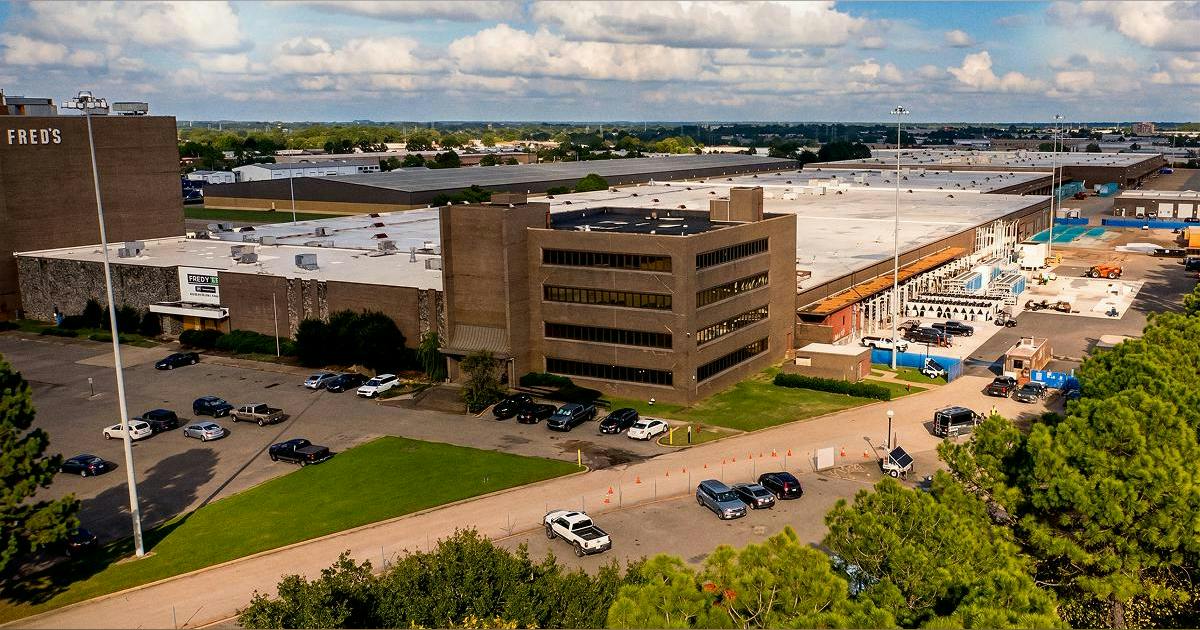
Memphis has emerged as a major center of AI infrastructure development, driven largely by the extraordinary scale of xAI’s Colossus supercomputing operations. But the city’s growing AI computing market extends beyond Elon Musk’s flagship project. At the former headquarters and distribution complex of discount retailer Fred’s, 5C Data Centers is developing another substantial AI computing facility, combining industrial adaptive reuse with a phased expansion strategy and plans for behind-the-meter power generation. On October 6, 2026, a $575 million commercial alteration permit application was filed for the fourth phase of 5C’s MEM01 data center at 4300 Getwell Road. The application covers approximately 504,000 square feet of the property’s 1.1 million-square-foot building, representing the largest construction phase yet proposed at the site. MEM01 is already operating. According to September reporting from The Daily Memphian, 5C had established operations in approximately 200,000 square feet of the former Fred’s property, leaving substantial additional space available for conversion. The latest permit application marks a significant escalation in the scope of the development. The expansion also introduces a major new element to 5C’s power strategy. On October 11, 5C Group Chief Revenue Officer Brad Nimri told The Daily Memphian that the company plans to increase available power at MEM01 from approximately 20 MW to 84 MW over the next six months, using fuel cell technology to supply the additional capacity rather than relying on a corresponding increase in electricity from Memphis Light, Gas and Water (MLGW). Like Colossus, which began with the conversion of a former Electrolux manufacturing facility, 5C’s development reflects the growing role of industrial adaptive reuse in AI infrastructure. The projects differ considerably in scale and their approaches to on-site power generation, but both illustrate the challenge of transforming existing industrial properties into high-density computing environments with substantial electrical requirements. As Memphis considers

Read More »

DCF Global: The Nordics’ AI Boom Meets the Power Test

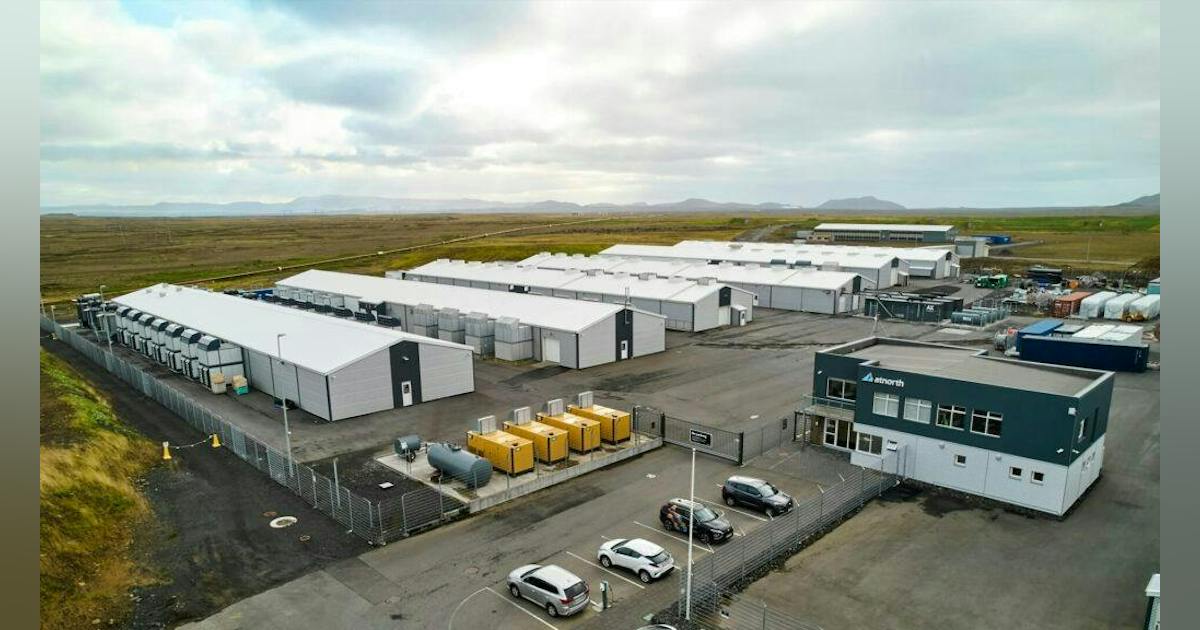
Sustainability Becomes an Infrastructure Requirement Sustainability has long been central to the Nordic data center proposition. Hydropower, nuclear generation, wind resources and relatively cool ambient temperatures provide advantages for operators pursuing lower-carbon operations and efficient facility design. However, the growing concentration of AI infrastructure investment is changing the terms of that discussion. Rather than evaluating sustainability primarily through electricity sourcing or annualized power usage effectiveness, developers increasingly face questions about their contribution to regional energy systems, electricity supply, environmental protection and local economic development. One area where the Nordics offer a particularly developed model is waste-heat reuse. District heating networks are widespread across northern Europe, creating opportunities to recover thermal energy from data centers and distribute it to homes, businesses and other facilities. The approach has a long history in the region, including the Danish and Swedish projects explored by Rich Miller in Data Center Frontier’s earlier coverage of using server heat to warm nearby homes. In Espoo, Finland, atNorth has begun supplying recovered heat from its FIN02 data center to a neighboring retail property operated by Kesko. The system became operational in November 2025, providing a tangible example of data center thermal energy being put to productive use. In Helsinki, AI infrastructure developer OnZero has reached an agreement with municipal energy company Helen to connect a planned AI data center to the district heating network. The project is designed to supply as much as 525,000 MWh of recovered heat annually once operational, with service targeted for 2027. Denmark offers another variation on the approach. atNorth and Selected Group are advancing a project in Ølgod that would use surplus heat from atNorth’s DEN02 campus to support greenhouse food production. In October, Selected Group reported approval of the local development plan. The first phase involves two 10-hectare greenhouses, with the initial

Read More »

AI datacenter capex will far exceed forecast revenue through 2030

Investors are pouring more into AI data center infrastructure than they can hope to recoup by 2030, according to Gartner. “Enterprise and consumer AI revenue will be insufficient to support profitable returns on all planned AI capital expenditures during this period,” said Gartner Senior Director Analyst Will Sommer. AI data center owners would need to generate $8.5 trillion in revenue through 2030 to cover announced capital spending, financing costs and expected investment returns, he said. “However, total enterprise and consumer AI revenue that can be attributed to AI data centers during this period is forecast to reach no more than $3.6 trillion.”

Read More »

Microsoft will invest $80B in AI data centers in fiscal 2025

And Microsoft isn’t the only one that is ramping up its investments into AI-enabled data centers. Rival cloud service providers are all investing in either upgrading or opening new data centers to capture a larger chunk of business from developers and users of large language models (LLMs).  In a report published in October 2024, Bloomberg Intelligence estimated that demand for generative AI would push Microsoft, AWS, Google, Oracle, Meta, and Apple would between them devote $200 billion to capex in 2025, up from $110 billion in 2023. Microsoft is one of the biggest spenders, followed closely by Google and AWS, Bloomberg Intelligence said. Its estimate of Microsoft’s capital spending on AI, at $62.4 billion for calendar 2025, is lower than Smith’s claim that the company will invest $80 billion in the fiscal year to June 30, 2025. Both figures, though, are way higher than Microsoft’s 2020 capital expenditure of “just” $17.6 billion. The majority of the increased spending is tied to cloud services and the expansion of AI infrastructure needed to provide compute capacity for OpenAI workloads. Separately, last October Amazon CEO Andy Jassy said his company planned total capex spend of $75 billion in 2024 and even more in 2025, with much of it going to AWS, its cloud computing division.

Read More »

John Deere unveils more autonomous farm machines to address skill labor shortage

Join our daily and weekly newsletters for the latest updates and exclusive content on industry-leading AI coverage. Learn More Self-driving tractors might be the path to self-driving cars. John Deere has revealed a new line of autonomous machines and tech across agriculture, construction and commercial landscaping. The Moline, Illinois-based John Deere has been in business for 187 years, yet it’s been a regular as a non-tech company showing off technology at the big tech trade show in Las Vegas and is back at CES 2025 with more autonomous tractors and other vehicles. This is not something we usually cover, but John Deere has a lot of data that is interesting in the big picture of tech. The message from the company is that there aren’t enough skilled farm laborers to do the work that its customers need. It’s been a challenge for most of the last two decades, said Jahmy Hindman, CTO at John Deere, in a briefing. Much of the tech will come this fall and after that. He noted that the average farmer in the U.S. is over 58 and works 12 to 18 hours a day to grow food for us. And he said the American Farm Bureau Federation estimates there are roughly 2.4 million farm jobs that need to be filled annually; and the agricultural work force continues to shrink. (This is my hint to the anti-immigration crowd). John Deere’s autonomous 9RX Tractor. Farmers can oversee it using an app. While each of these industries experiences their own set of challenges, a commonality across all is skilled labor availability. In construction, about 80% percent of contractors struggle to find skilled labor. And in commercial landscaping, 86% of landscaping business owners can’t find labor to fill open positions, he said. “They have to figure out how to do

Read More »

2025 playbook for enterprise AI success, from agents to evals

Join our daily and weekly newsletters for the latest updates and exclusive content on industry-leading AI coverage. Learn More 2025 is poised to be a pivotal year for enterprise AI. The past year has seen rapid innovation, and this year will see the same. This has made it more critical than ever to revisit your AI strategy to stay competitive and create value for your customers. From scaling AI agents to optimizing costs, here are the five critical areas enterprises should prioritize for their AI strategy this year. 1. Agents: the next generation of automation AI agents are no longer theoretical. In 2025, they’re indispensable tools for enterprises looking to streamline operations and enhance customer interactions. Unlike traditional software, agents powered by large language models (LLMs) can make nuanced decisions, navigate complex multi-step tasks, and integrate seamlessly with tools and APIs. At the start of 2024, agents were not ready for prime time, making frustrating mistakes like hallucinating URLs. They started getting better as frontier large language models themselves improved. “Let me put it this way,” said Sam Witteveen, cofounder of Red Dragon, a company that develops agents for companies, and that recently reviewed the 48 agents it built last year. “Interestingly, the ones that we built at the start of the year, a lot of those worked way better at the end of the year just because the models got better.” Witteveen shared this in the video podcast we filmed to discuss these five big trends in detail. Models are getting better and hallucinating less, and they’re also being trained to do agentic tasks. Another feature that the model providers are researching is a way to use the LLM as a judge, and as models get cheaper (something we’ll cover below), companies can use three or more models to

Read More »

OpenAI’s red teaming innovations define new essentials for security leaders in the AI era

Join our daily and weekly newsletters for the latest updates and exclusive content on industry-leading AI coverage. Learn More OpenAI has taken a more aggressive approach to red teaming than its AI competitors, demonstrating its security teams’ advanced capabilities in two areas: multi-step reinforcement and external red teaming. OpenAI recently released two papers that set a new competitive standard for improving the quality, reliability and safety of AI models in these two techniques and more. The first paper, “OpenAI’s Approach to External Red Teaming for AI Models and Systems,” reports that specialized teams outside the company have proven effective in uncovering vulnerabilities that might otherwise have made it into a released model because in-house testing techniques may have missed them. In the second paper, “Diverse and Effective Red Teaming with Auto-Generated Rewards and Multi-Step Reinforcement Learning,” OpenAI introduces an automated framework that relies on iterative reinforcement learning to generate a broad spectrum of novel, wide-ranging attacks. Going all-in on red teaming pays practical, competitive dividends It’s encouraging to see competitive intensity in red teaming growing among AI companies. When Anthropic released its AI red team guidelines in June of last year, it joined AI providers including Google, Microsoft, Nvidia, OpenAI, and even the U.S.’s National Institute of Standards and Technology (NIST), which all had released red teaming frameworks. Investing heavily in red teaming yields tangible benefits for security leaders in any organization. OpenAI’s paper on external red teaming provides a detailed analysis of how the company strives to create specialized external teams that include cybersecurity and subject matter experts. The goal is to see if knowledgeable external teams can defeat models’ security perimeters and find gaps in their security, biases and controls that prompt-based testing couldn’t find. What makes OpenAI’s recent papers noteworthy is how well they define using human-in-the-middle

Read More »

We can do impossible things

I’d wager everyone has a rehearsed response to what’s absolutely one of the world’s worst interview questions: “What’s your biggest weakness?” Whenever I’ve gotten it,

Read More »