This is today’s edition of The Download, our weekday newsletter that provides a daily dose of what’s going on in the world of technology.
OpenAI has trained its LLM to confess to bad behavior
What’s new: OpenAI is testing a new way to expose the complicated processes at work inside large language models. Researchers at the company can make an LLM produce what they call a confession, in which the model explains how it carried out a task and (most of the time) own up to any bad behavior.
Why it matters: Figuring out why large language models do what they do—and in particular why they sometimes appear to lie, cheat, and deceive—is one of the hottest topics in AI right now. If this multitrillion-dollar technology is to be deployed as widely as its makers hope it will be, it must be made more trustworthy. OpenAI sees confessions as one step toward that goal. Read the full story.
—Will Douglas Heaven
How AI is uncovering hidden geothermal energy resources
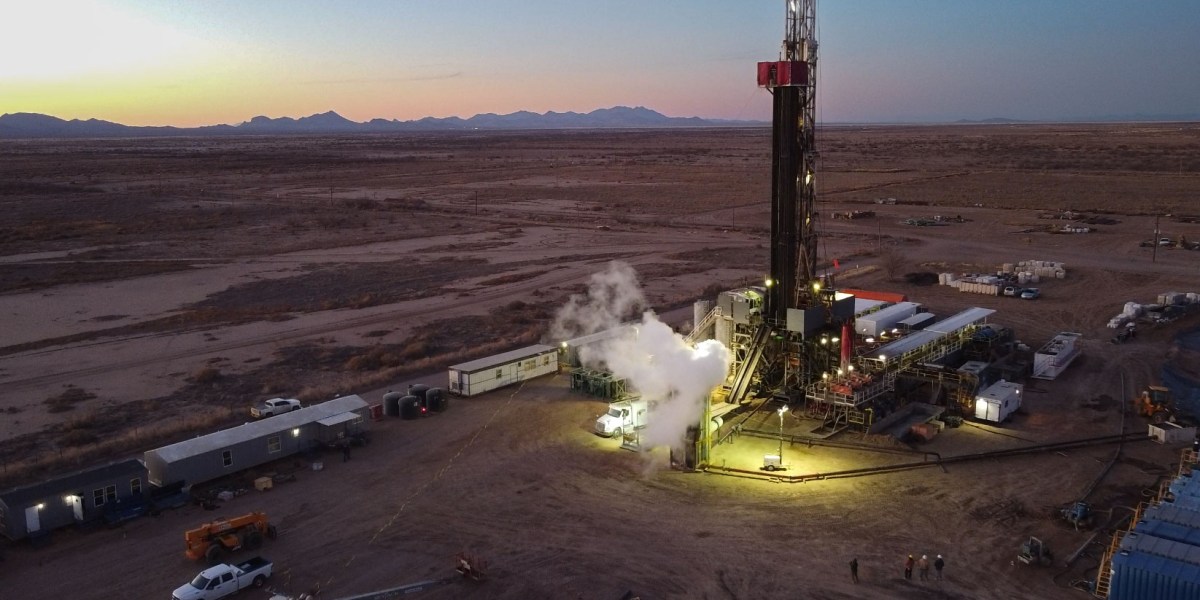
Sometimes geothermal hot spots are obvious, marked by geysers and hot springs on Earth’s surface. But in other places, they’re obscured thousands of feet underground. Now AI could help uncover these hidden pockets of potential power.
A startup company called Zanskar announced today that it’s used AI and other advanced computational methods to uncover a blind geothermal system—meaning there aren’t signs of it on the surface—in the western Nevada desert. The company says it’s the first blind system that’s been identified and confirmed to be a commercial prospect in over 30 years. Read the full story.
—Casey Crownhart
Why the grid relies on nuclear reactors in the winter
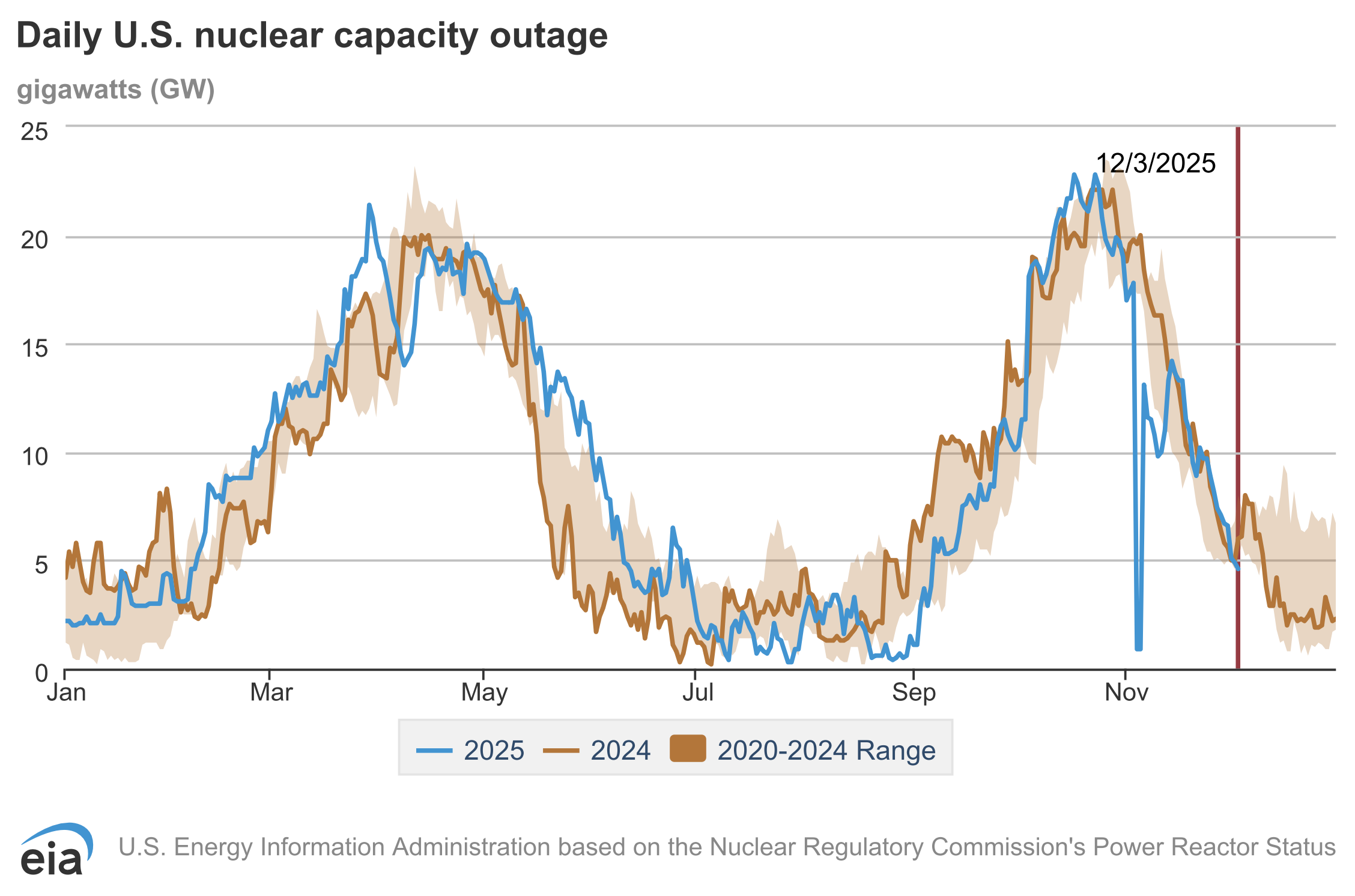
In the US, nuclear reactors follow predictable seasonal trends. Summer and winter tend to see the highest electricity demand, so plant operators schedule maintenance and refueling for other parts of the year.
This scheduled regularity might seem mundane, but it’s quite the feat that operational reactors are as reliable and predictable as they are. Now we’re seeing a growing pool of companies aiming to bring new technologies to the nuclear industry. Read the full story.
—Casey Crownhart
This article is from The Spark, MIT Technology Review’s weekly climate newsletter. To receive it in your inbox every Wednesday, sign up here.
The must-reads
I’ve combed the internet to find you today’s most fun/important/scary/fascinating stories about technology.
1 Donald Trump has scrapped Biden’s fuel efficiency requirements
It’s a major blow for green automobile initiatives. (NYT $)
+ Trump maintains that getting rid of the rules will drive down the price of cars. (Politico)
2 RFK Jr’s vaccine advisers may delay hepatitis B vaccines for babies
The shots are a key part in combating acute cases of the infection. (The Guardian)
+ Former FDA commissioners are worried by its current chief’s vaccine views. (Ars Technica)
+ Meanwhile, a fentanyl vaccine is being trialed in the Netherlands. (Wired $)
3 Amazon is exploring building its own US delivery network
Which could mean axing its long-standing partnership with the US Postal Service. (WP $)
4 Republicans are defying Trump’s orders to block states from passing AI laws
They’re pushing back against plans to sneak the rule into an annual defense bill. (The Hill)+ Trump has been pressuring them to fall in line for months. (Ars Technica)
+ Congress killed an attempt to stop states regulating AI back in July. (CNN)
5 Wikipedia is exploring AI licensing deals
It’s a bid to monetize AI firms’ heavy reliance on its web pages. (Reuters)
+ How AI and Wikipedia have sent vulnerable languages into a doom spiral. (MIT Technology Review)
6 OpenAI is looking to the stars—and beyond
Sam Altman is reportedly interested in acquiring or partnering with a rocket company. (WSJ $)
7 What we can learn from wildfires
This year’s Dragon Bravo fire defied predictive modelling. But why? (New Yorker $)
+ How AI can help spot wildfires. (MIT Technology Review)
8 What’s behind America’s falling birth rates?
It’s remarkably hard to say. (Undark)
9 Researchers are studying whether brain rot is actually real 🧠
Including whether its effects could be permanent. (NBC News)
10 YouTuber Mr Beast is planning to launch a mobile phone service
Beast Mobile, anyone? (Insider $)
+ The New York Stock Exchange could be next in his sights. (TechCrunch)
Quote of the day
“I think there are some players who are YOLO-ing.”
—Anthropic CEO Dario Amodei suggests some rival AI companies are veering into risky spending territory, Bloomberg reports.
One more thing
The quest to show that biological sex matters in the immune system
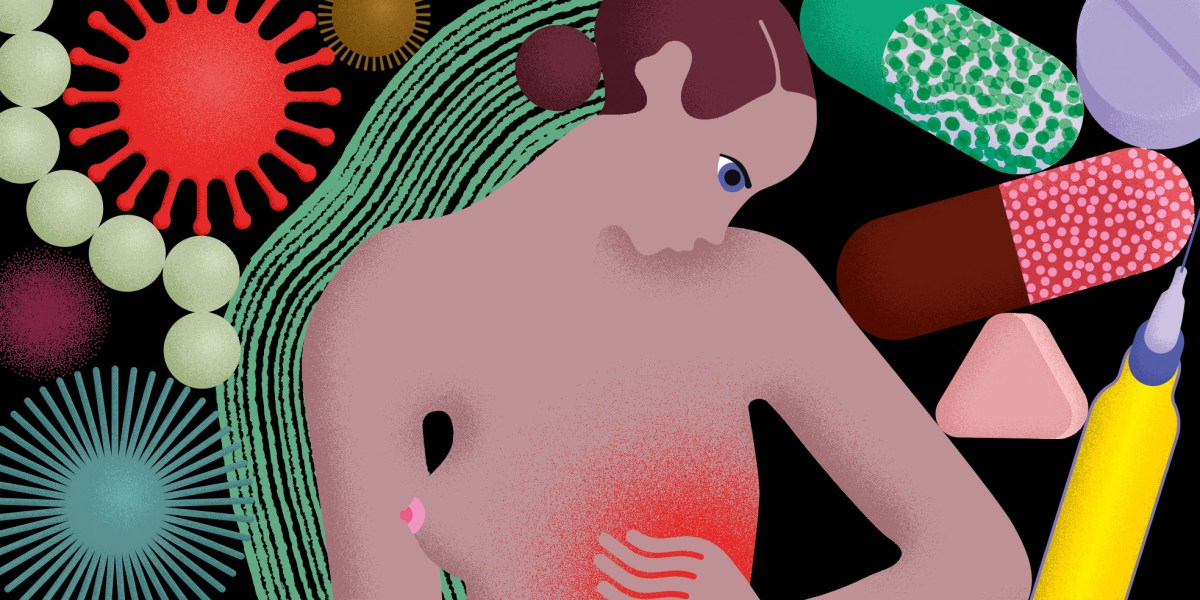
For years, microbiologist Sabra Klein has painstakingly made the case that sex—defined by biological attributes such as our sex chromosomes, sex hormones, and reproductive tissues—can influence immune responses.
Klein and others have shown how and why male and female immune systems respond differently to the flu virus, HIV, and certain cancer therapies, and why most women receive greater protection from vaccines but are also more likely to get severe asthma and autoimmune disorders.
Klein has helped spearhead a shift in immunology, a field that long thought sex differences didn’t matter—and she’s set her sights on pushing the field of sex differences even further. Read the full story.
—Sandeep Ravindran
We can still have nice things
A place for comfort, fun and distraction to brighten up your day. (Got any ideas? Drop me a line or skeet ’em at me.)
+ Digital artist Beeple’s latest Art Basel show features Elon Musk, Jeff Bezos and Mark Zuckerberg robotic dogs pooping out NFTs 💩
+ If you’ve always dreamed of seeing the Northern Lights, here’s your best bet at doing so.
+ Check out this fun timeline of fashion’s hottest venues.
+ Why monkeys in ancient Roman times had pet piglets 🐖🐒