California’s Middle East crude oil imports
California is materially more dependent on Middle Eastern crude than the rest of the US, largely due to refinery configuration and logistics. California refineries are optimized for heavier, sour crude oil. Declining in-state production (e.g., San Joaquin Valley) and no pipeline connectivity to other US producing regions means California regularly imports a meaningful share of its crude slate from the Middle East.
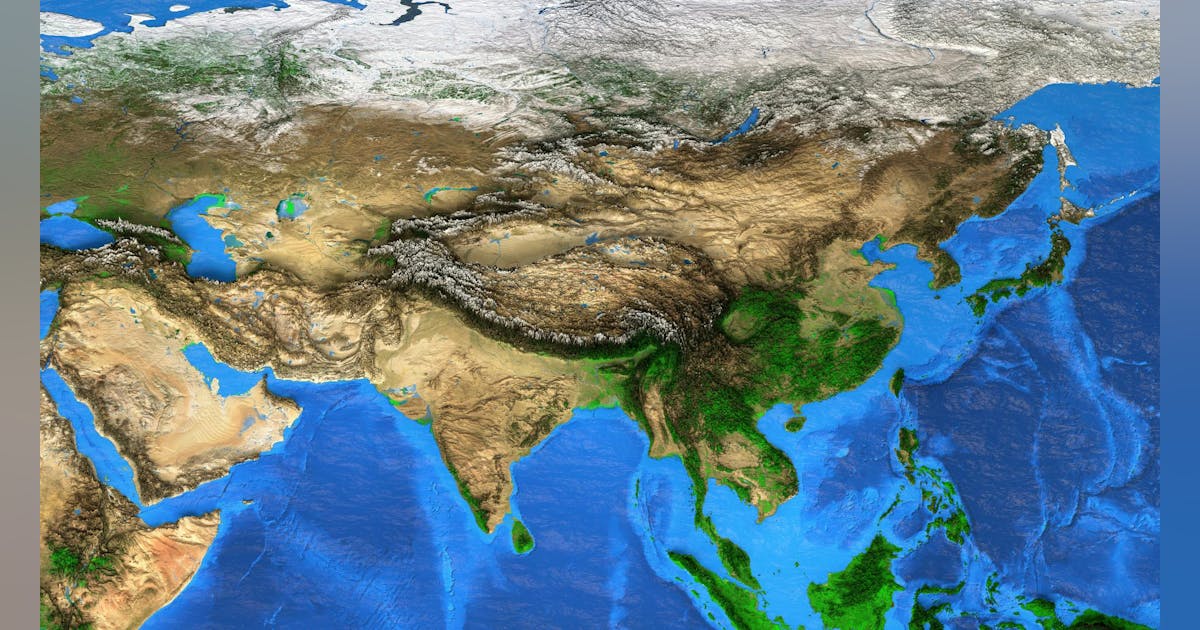
Recent California Energy Commission data show that Iraq and Saudi Arabia alone provide 35-40% of total California barrels (roughly equivalent to California crude oil production), plus smaller flows from the UAE and others in the Persian Gulf. For the rest of the US, about 10% of crude oil imports come from Persian Gulf suppliers. As a result, California fuel prices are more exposed to disruptions or price spikes linked to Gulf supply and chokepoints like the Strait of Hormuz than refineries in other parts of the country.
Out-of-state refinery constraints
California imports roughly 20% of its refined fuels from Asia (a record 128,000 b/d of gasoline/additives in 2025), mostly from South Korea and India. These refiners are cutting back exports, prioritizing their own domestic markets, and scrambling to re-optimize crude slates as Hormuz disruptions squeeze Middle East supply.
Shortages of Gulf crude oil are forcing refineries to reduce runs and declare force majeure on product deliveries. Several governments or companies have temporarily suspended clean‑product exports, directly throttling flows of CARB‑grade gasoline and jet to the US West Coast. These refiners also are bidding up alternative crude oil barrels from other regions and paying longer‑haul freight rates, which raises their marginal cost of gasoline and narrows the price window to ship gasoline cargoes to California. Volumes available for California are at risk of shrinking and becoming more sporadic, while the barrels that do move come to California look to be priced at higher differentials relative to the rest of the US.
The current price surge in California is not simply a function of global crude market. It is the predictable outcome of a structurally tight, highly specialized, and increasingly import-dependent fuel system colliding with a geopolitical shock.
Stringent CARB specifications, declining in-state refining capacity, disproportionate reliance on Middle Eastern crude oil, and constrained external fuel suppliers each create their own upward pressure on prices. Taken together, they form a system with little flexibility and resilience. The current disruption is causing California to lose both local supply flexibility and access to marginal barrels from abroad at the same time. The risk is not only higher prices—a reality prior to the Iran war—but a sharp increase in volatility and a widening, more persistent premium versus the rest of the US.
Unless there is a meaningful easing of geopolitical tensions or a structural shift in how California balances supply resilience with environmental and market objectives, this pattern of outsized price response is likely to repeat in future disruptions.