US LNG exports are on track to exceed 120 million tonnes in 2026, setting another record as new Gulf Coast capacity ramps up and the US strengthens its position as the world’s largest LNG supplier, Energy Secretary Chris Wright said on Sept. 22.
“Last year, for the first time in history, a country exported more than 100 million tonnes of LNG—and that country was the United States. And this year, we are on track to surpass 120 million tonnes,” Wright said in a post on X, crediting companies such as Caturus, which recently announced a major expansion of its Gulf Coast export plant.
The growth in US LNG exports this year is primarily driven by the commissioning of new projects along the Gulf Coast and the expansion of existing plants.
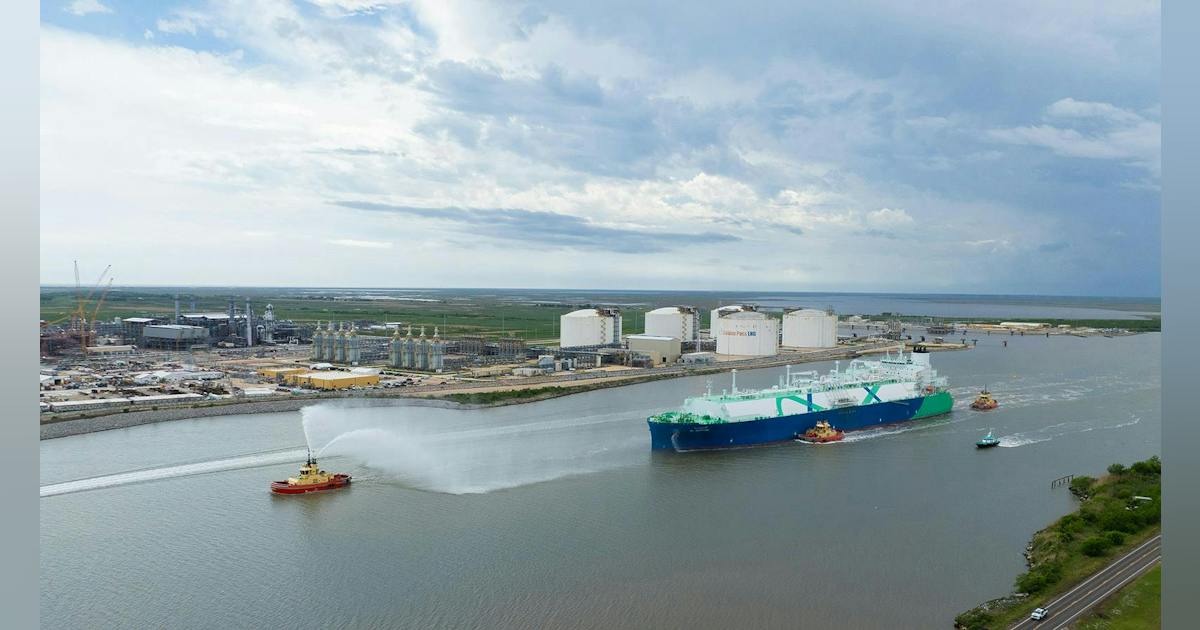
Venture Global’s Plaquemines LNG in Louisiana has continued to ramp up since starting operations, and in March the Department of Energy (DOE) authorized an immediate 13% increase in its exports, bringing its total authorized capacity to 3.85 bcfd. In February, DOE approved a further expansion at Cheniere Energy’s Corpus Christi LNG project in Texas; the additional authorization of up to 0.47 bcfd brought the project’s total authorized export capacity to 4.45 bcfd.
Outside the Gulf Coast, DOE in April approved a 22% increase in export capacity for the Elba Island LNG terminal in Georgia.
Meanwhile, additional US LNG projects remain in the development or construction phase.
Largest LNG exporter
Over the past few years, the US has emerged as the world’s largest LNG exporter and a key supplier to the European gas market following the decline in Russian pipeline gas supplies.
A distinctive feature of US LNG is that the majority of its production capacity is located along the Gulf Coast. With access to European and Asian markets via the Atlantic and the Panama Canal, cargoes can be redirected in response to regional price differences. This flexibility enables the US to play an increasingly prominent role as the global “marginal supplier” of LNG.
That role has drawn particular attention this year. Iranian actions have disrupted LNG shipments through the Strait of Hormuz, cutting into supplies from Qatar and the wider Gulf region, while US gas production and liquefaction infrastructure have been unaffected. Wright cited the disruption when approving the Plaquemines expansion in March. As global buyers seek to diversify their supply sources, the strategic value of US LNG has risen further.
Controversy
The rapid growth of US LNG exports is not without controversy. In February, lawmakers including US Senator Elizabeth Warren sent a letter to Wright citing US Energy Information Administration (EIA) analysis. They argued that growth in LNG exports is a significant factor driving up US natural gas prices and warned that expanding exports could raise heating and electricity costs for consumers. The debate is likely to intensify.
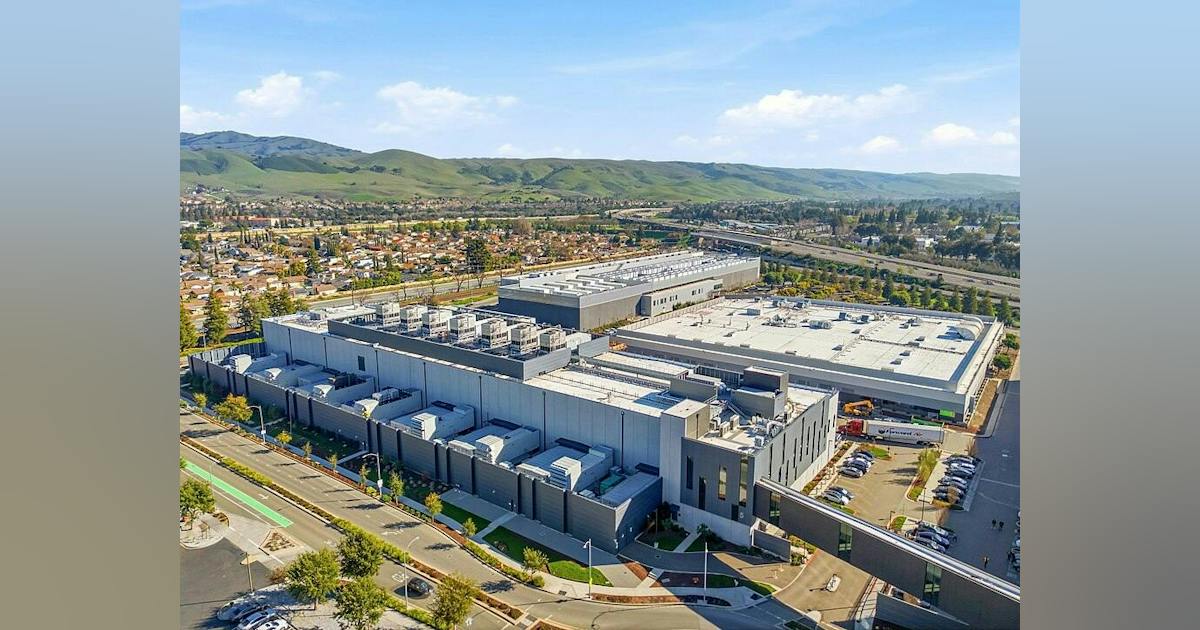
Domestic demand for natural gas is also rising. Electricity demand is being driven by the construction of data centers and AI infrastructure, while additional LNG export projects compete for the same gas supplies.
Yet the domestic market has so far absorbed the increase well. After a cold-weather spike in January, Henry Hub has hovered around $3/MMbtu since the spring, highlighting how quickly US supply has kept pace with rising LNG demand. According to forecasts from EIA, US marketed natural gas production is to increase by 4.5 bcfd in 2026 and 4.6 bcfd in 2027, partly reflecting higher oil prices and the growth of associated gas production. The Permian and Haynesville regions together account for more than 70% of production growth in the forecast.