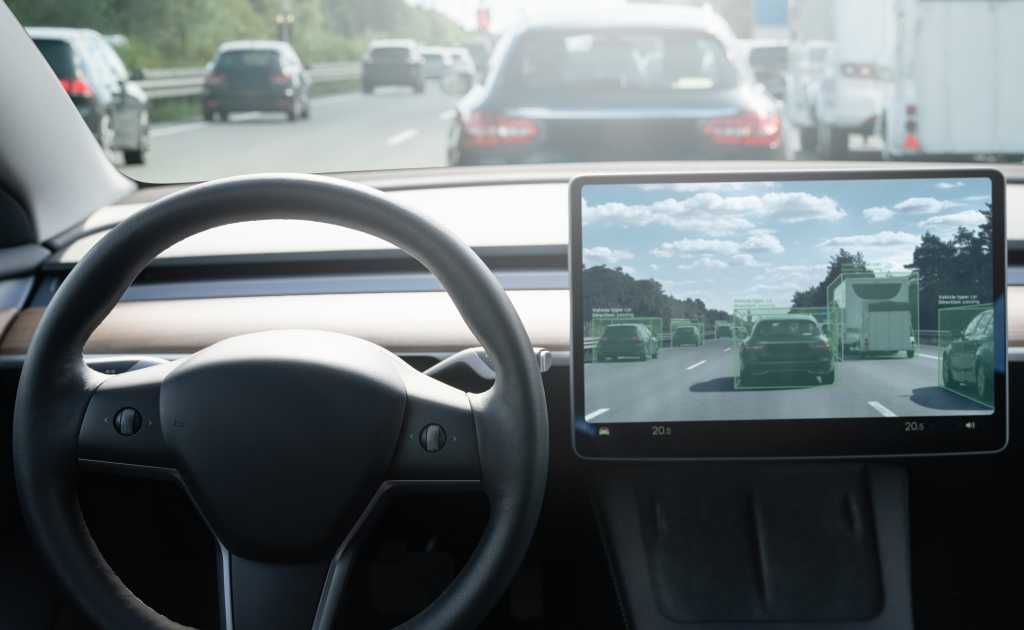
The concept of probabilistic automation can be off-putting, even divisive. Consider self-driving cars. They’re part of the progression of vehicle automation that includes parallel parking assist, driver assistance and hands-free driving. However, when it comes to self-driving cars, getting on board requires a huge leap of faith that many people aren’t willing to take.
Probabilistic automation is the ability to reason, plan and execute actions autonomously within defined governance boundaries. In other words, this is conditional autonomy. These systems use AI to create nuanced, multi-step automations based on specific content, context and learnings. It isn’t instantaneous, and it shouldn’t be mysterious. User visibility and control make it trustworthy—something self-driving cars lack.
Probabilistic automation is a powerful tool for solving complex challenges at scale, such as keeping modern networks up and running. It’s time to demystify it for network infrastructure owners and their teams, who need it to be governed, repeatable and safe in production. No leap of faith required.