Aalap Shah is president and CEO of Fedsprout, which helps electric cooperatives and utilities manage federal and state awards.
If you ask a lineman what it takes for a storm restoration to go well, the answer is usually not about having the right tools or truck. Quick restoration relies on good training, a plan before getting to the first pole and adequate back-office support.
Federal funding works the same way and the latest federal programs are demanding even more.

Aalap Shah
I’ve worked with electric cooperatives across 14 states and I’ve come to realize there is a pattern. Cooperative utilities do not have an eligibility problem, and most qualify for federal and state funding programs. Yet some co-ops never apply for funding. Others win an award and lose part of it because of disallowed costs.
In its October outlook, the U.S. Energy Information Administration expects record electricity demand this year and next, and projects the average U.S. residential electricity price at 18.2 cents/kWh this year, up from 16.5 in cents/kWh in 2024. Co-ops need funding to support load growth and reliability improvements while keeping rates affordable for members.
In my experience, co-ops that win federal and state funding stand apart in four areas, before and after the award: capacity, clarity, cash and compliance.
The capacity gap is clearly visible across most rural and small co-ops. At a typical co-op, the person who writes the funding application is the same person who runs finance and human resources. They often manage the award, too.
Clarity is not as apparent. Hundreds of federal and state programs are published each year and knowing which one fits the co-op’s needs and what sways the funder needs a dedicated effort. Identifying which federal and state regulations to follow is an arduous task.
I worked with one co-op that planned to reconductor aging lines for reliability. But the approach was not competitive. Once we framed it around economic development and new local hydropower that the added line capacity would allow, the project was one of 19 selected out of 659.
Cash is a constraint for most government-funded projects, which require cost share and pay on reimbursement. Cost share can mean taking on debt, which needs board approval. For reimbursements, the co-op must first spend, sometimes using its line of credit, and then wait weeks or months to be paid back.
Compliance is where co-ops struggle the most after the award. All federal and state money comes with regular reporting, requests for information, procurement rules and written procedures, and audits. Some co-ops learn only after the award what it really requires.
Programs are moving the burden up front
The latest federal funding programs make each of these four problems harder because applicants now have to plan for more cost and higher risk.
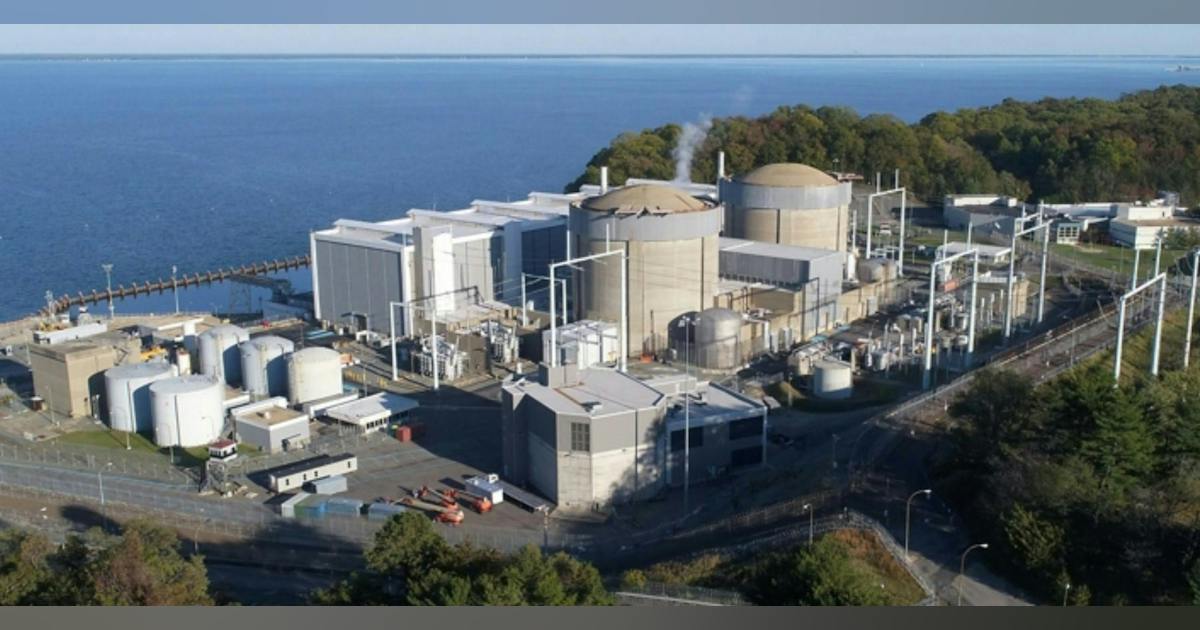
The U.S. Department of Agriculture recently announced the Affordable Rural Cooperative program, which offers $175 million in loans and grants for nuclear power supply and transmission. On a hypothetical $100 million transmission project, the grant is capped at $18.75 million, and the co-op would need to bring in at least $25 million of its own. The remainder can be borrowed from USDA.
The final rule for the Rural Energy for America Program, published Oct. 1, compounds the cash flow problem. REAP grants for renewable energy and efficiency projects will be awarded only to completed projects that have operated for at least 12 months.
A co-op now has to finance the work and ensure compliance with federal procurement standards even before knowing whether it will receive a grant. According to the new rules, an applicant is allowed one submission during an annual window and all applications will be ranked nationally, which raises the bar. USDA staff expect the first window to open in January 2027. Co-ops that miss this window will need to wait an entire year to apply.
Federal dollars are flowing again to co-ops, but on much tougher terms.
Where the money is heading
Even so, I expect that federal programs will be limited over the next few years because of many other competing budget priorities. With less funding available, more applicants will compete for each dollar.
On energy, the current administration has made its priorities clear. These are grid reliability and resilience, more generation, affordability and reducing reliance on foreign imports. I expect programs outside those priorities to be cut back. The new REAP rule, for example, does not allow for ground-mounted solar on certified cropland and restricts systems built with Chinese-made materials.
ARC is a new USDA program aligned with the administration’s focus on nuclear power. Geothermal should also draw more support as the technology matures. In February, the U.S. Department of Energy announced $171.5 million for next-generation geothermal field tests and drilling. In October, Fervo Energy’s Cape Station in Utah became the first enhanced geothermal project of its kind to reach commercial operation.
Hydropower is worth considering for co-ops looking for increased capacity. The Federal Energy Regulatory Commission approved two orders cutting environmental review for low-impact hydropower actions and DOE is releasing nearly $430 million to upgrade aging facilities.
Even with midterm elections, I don’t expect the direction to change much. Both Democrats and Republicans support affordability and reliability. A proposal built around these two pillars will have a better chance of success.
This administration has also made data centers a priority and federal support is likely to follow. But before pursuing federal or state funding, co-ops need to answer two questions: Does the load growth from a data center actually serve members? Could water scarcity or community opposition derail the project?
Winning is only the start
I have been working with a group of Texas co-ops that are first-time recipients of state grants administered by the Public Utility Commission of Texas. Three lessons stood out.
First, the co-ops struggled to understand how much detail the funding agency needed for reporting and responding to requests for information. Different agency coordinators also asked for different details. The result was a lot of back-and-forth with the agency and delays in starting the project and receiving approvals. Having plans, reports, templates and RFI responses from other projects can reduce delays because the co-op knows what to expect.
Second, not every project can start on day one of the award. Explaining schedule delays to the awarding agency can be difficult. Waiver approvals can take weeks or months and significantly delay the project. Co-ops need to start early with waiver requests and prepare detailed budgets and task schedules before the award.
Third, purchases above state or federal thresholds must be competitively bid. A trusted contractor used over the years isn’t automatically approved for a project. Justifying a sole-source or noncompetitive award takes someone well-versed in procurement policy.
Getting ahead of the four C’s
The co-ops that win get ahead of the four C’s. Co-ops that prepare a short list of projects and talk to board members about cost share in advance of the funding notice are in a better position to respond with stronger proposals.
Co-ops already work with outside engineers, auditors and attorneys for specialized work. When a big storm hits, they bring in outside crews because they don’t have year-round staff to manage these worst-case events.
Similarly, grant-writing and compliance experts can better prepare co-ops for writing proposals and managing compliance. Bringing in help before the funding notice is released, and again before the project starts, is a smart move.
Storm restoration relies on good planning, a ready crew and back-office support in advance of the storm’s arrival. Federal funding rewards the same preparation because today’s programs can be a bigger storm than co-ops have faced before.