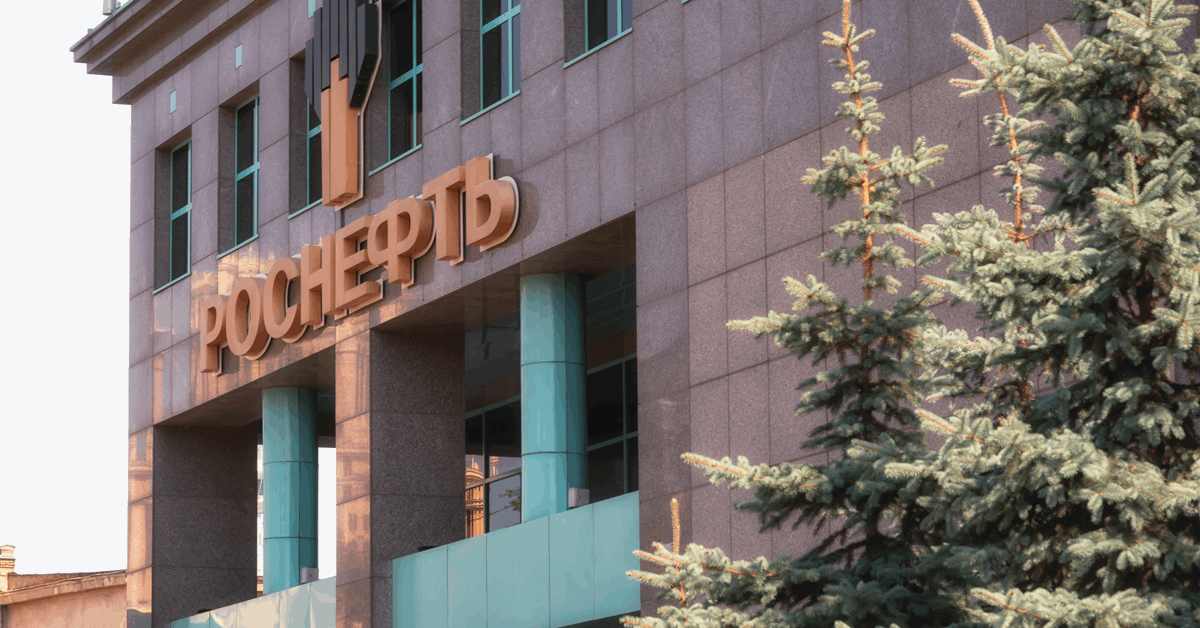
Germany plans to tweak the system that controls the local assets of Rosneft PJSC to ensure it is complying with the tougher US sanctions imposed on the Russian oil company last month.
The government forwarded a draft law to both chambers of parliament “as a matter of particular urgency,” Chancellor Friedrich Merz wrote in a letter to the Bundestag’s president that was seen by Bloomberg. The proposal, which lawmakers will discuss in a public session of the energy committee on Dec. 17, would change the current trusteeship into a “public-law trust” under the nation’s Foreign Trade Act.
Germany has received a temporary exemption from the US sanctions against Rosneft and was seeking a solution for when the general license runs out on April 29, 2026. Berlin had seized the company’s assets following Russia’s invasion of Ukraine in 2022 and has extended its trusteeship of Rosneft Deutschland multiple times, leaving the Moscow-based parent as the owner but cutting any financial ties to it.
Rosneft Deutschland holds shares in three German refineries, which account for 12 percent of the nation’s total processing capacity, including PCK Raffinerie GmbH’s Schwedt plant near Berlin. The government has so far steered clear of nationalizing the entities amid concerns that such a move could risk retaliatory measures by the Kremlin against German operations in Russia.
The public law trust would allow any company or organization with headquarters in Germany to become a trustee of the Rosneft assets, which have so far been held by the nation’s energy regulator, the Federal Network Agency. This so-called “sanctions trusteeship” should be accompanied by an independent share custodian appointed by a court, according to the document.
The proposal doesn’t resolve two key issues, said Michael Kellner, an energy lawmaker from the opposition Green party and a former parliamentary state secretary of the Economy Ministry. “It is doubtful” whether a new trustee will have more legal options to invest in the assets, and Germany will still have to seek regular renewal of the US general license to avoid sanctions, he said. The construction would only be permanent if the European Union also imposes full sanctions against Russian oil, Kellner added.
The German government is looking at ways to solve the problem that they have to seek an exemption from the US sanctions every six months, a spokesperson for the Economy Ministry said. The draft law hasn’t been approved yet by the cabinet and still needs to be voted on by parliament, they said.
What do you think? We’d love to hear from you, join the conversation on the
Rigzone Energy Network.
The Rigzone Energy Network is a new social experience created for you and all energy professionals to Speak Up about our industry, share knowledge, connect with peers and industry insiders and engage in a professional community that will empower your career in energy.