Oil, fundamental analysis
Crude prices fell this week as various sources report increased oil flows out of the Persian Gulf as producing countries use varying methods to bypass the Strait of Hormuz and use “ship-to-ship” transfers. Earlier in the week there were, once again, signs of optimism regarding peace talks between the US and Iran but those appear to have stalled by week’s end. A very small inventory build did not dampen the bearish sentiment while new US economic sanctions on Iran and its counterparties had no apparent impact on prices.
WTI’s High was Monday’s $84.70/bbl for October while the Low was Wednesday’s $78.55 (inventory gain). October Brent crude also hit its High on Monday at $93.80/bbl with the low on Wednesday at $85.40. Both grades settled lower on the week. The WTI/Brent spread has now tightened to $5.95.
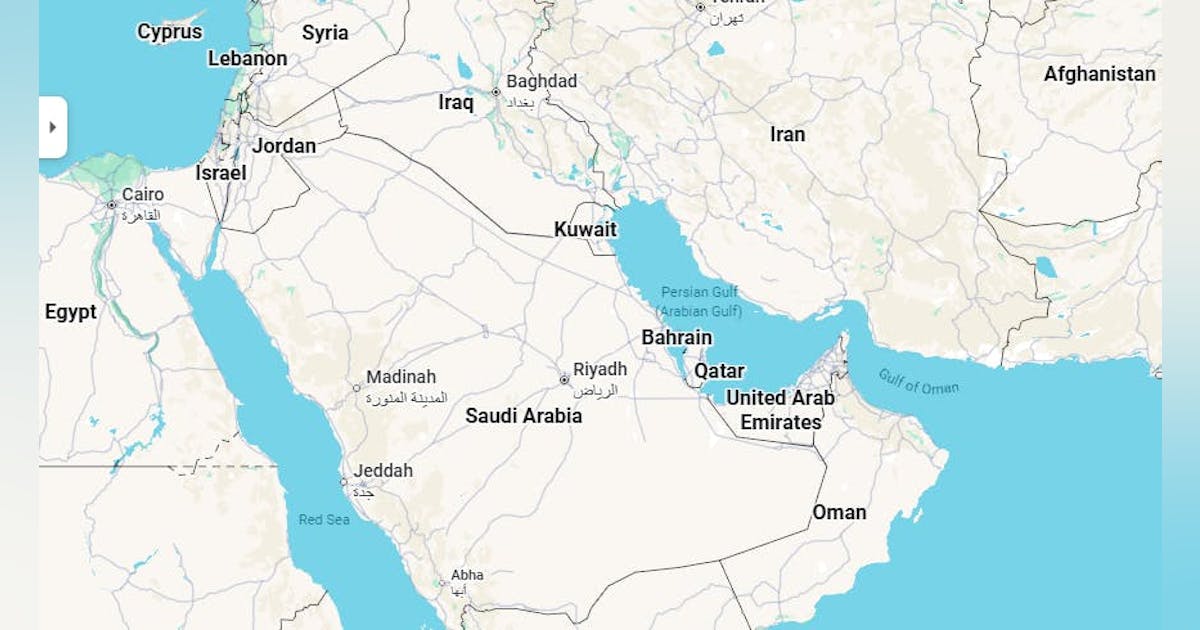
Some observers of oil flows out of the Middle East believe that as much as 7-8 million b/d may be flowing out of the Persian Gulf, roughly 50% of pre-war levels. Forced to deal with the open again/closed again status of the Strait of Hormuz, Persian Gulf petrostates are using any possible means to export their oil and refined products. Shortly after the Strait was closed by Iran, Saudi Arabia switched to using its East-West pipeline to deliver crude to its Red Sea port where vessels can pass through the Bab el-Mandeb Strait and out through the Gulf of Aden.
Now, the Saudis are also loading cargoes in the Persian Gulf using their own smaller tankers and moving those via the route through the Strait that is closer to Oman while turning off vessel transponders. Once into the Gulf of Oman, ship-to-ship transfers take place to larger merchant vessels which then deliver the crude to its designated markets. Qatar and the UAE are said to be working jointly on a similar operation. Meanwhile, Iraq has been moving some volumes north into Turkey via pipeline then, across to the Mediterranean Sea. While these are mostly short-term fixes, the same countries are developing longer-term projects.
US/Iran settlement talks hit another impasse as the White House told mediators it won’t return to the temporary peace terms put in place in June. And Oman and Iran still have not come to a definitive arrangement for the joint management of the Strait of Hormuz, leaving its future uncertain again.
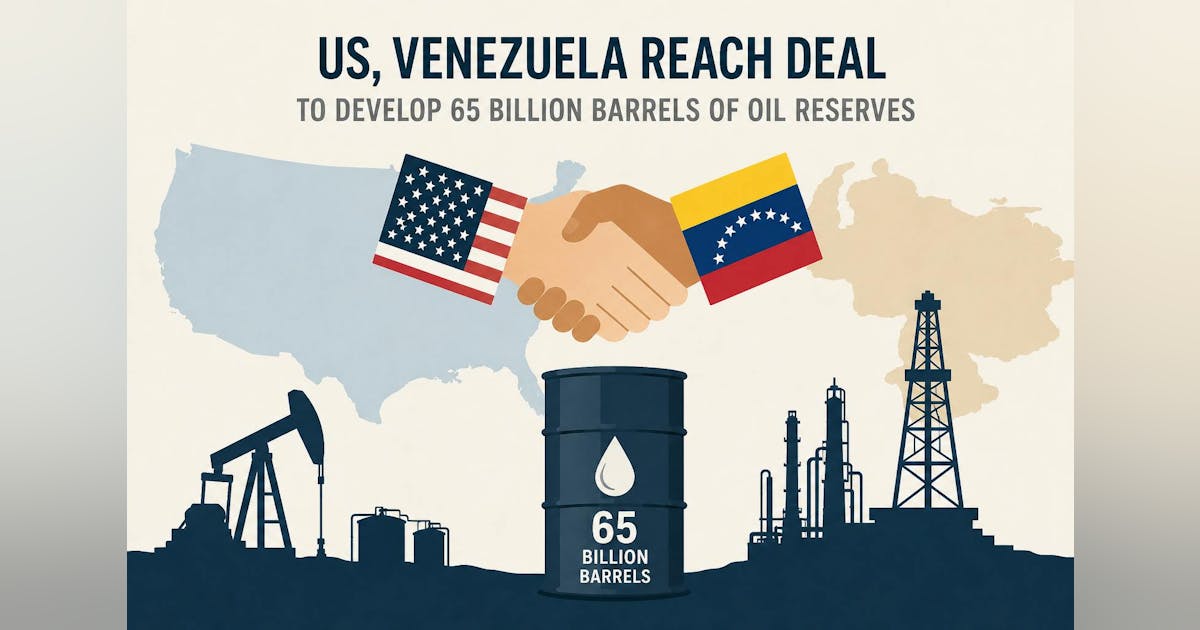
Venezuela’s oil industry prospects continue to improve as Chevron is reportedly close to a deal to increase its already existing operations by potentially adding 2 new heavy oil fields to its holdings. Additionally, oilfield services company Halliburton is working to bring more of equipment to producers there. On the flip side, Canadian bitumen production may drop by 300,000 b/d next month due to maintenance in the oil sands. However, the US should see lower gasoline and aviation fuel demand as the peak summer driving/traveling season comes to an end.
The Energy Information Administration’s (EIA) Weekly Petroleum Status Report indicated that commercial crude oil inventories for last week increased only slightly while the SPR was down 3.7 million bbl to 290 million bbl (the lowest level since 1982). Production last week held at 13.8 million b/d vs 13.4 million b/d last year.