Stay Ahead, Stay ONMINE

Vår Energi approves Balder Next New Wells project in the Central North Sea

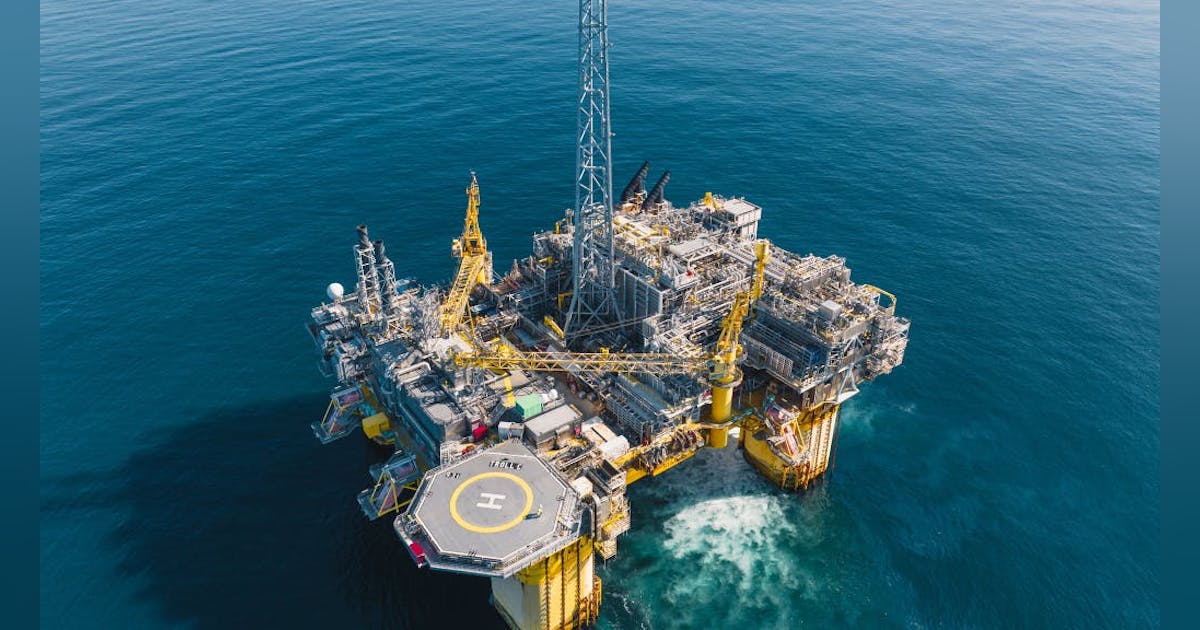
Vår Energi ASA has sanctioned the Balder Next New Wells project in the Central North Sea on the Norwegian Continental Shelf in about 125 m of water. The project comprises a first-phase development of seven new wells tied back to the Jotun FPSO, with expected start-up in fourth quarter 2027. It will develop 86 million […]

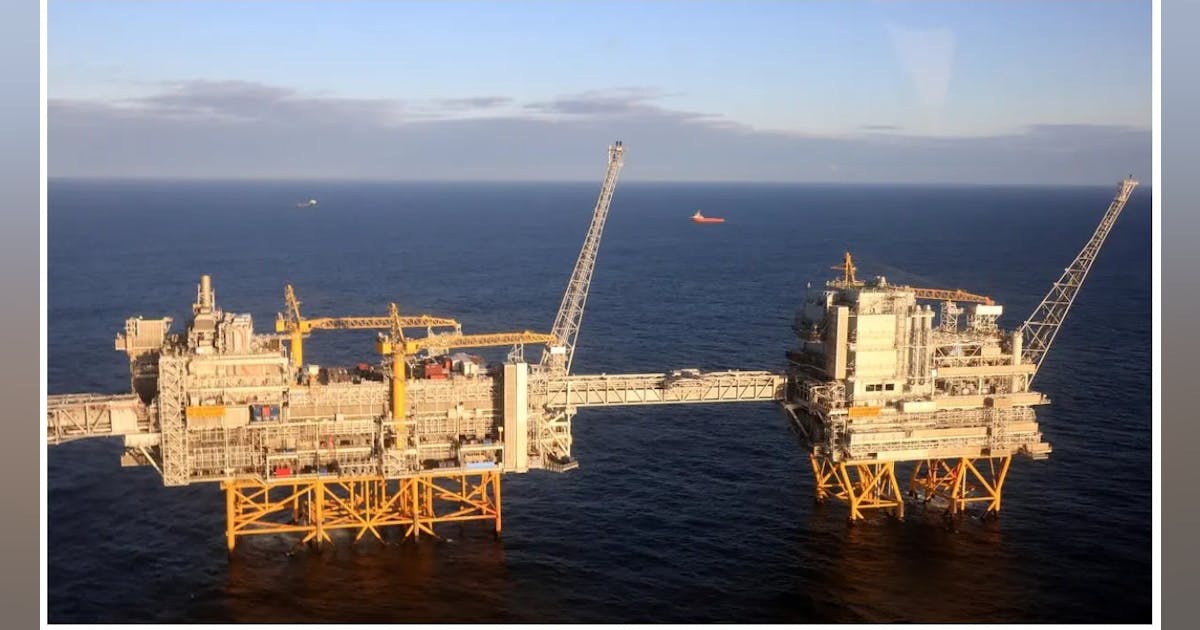
Vår Energi ASA has sanctioned the Balder Next New Wells project in the Central North Sea on the Norwegian Continental Shelf in about 125 m of water.

The project comprises a first-phase development of seven new wells tied back to the Jotun FPSO, with expected start-up in fourth quarter 2027. It will develop 86 million boe in proved plus probable reserves, an increase from about 75 million boe gross communicated earlier this year, reflecting continued improvement of the project.

The Balder Next New Wells project forms part of the next phase of developments in the area and is enabled by existing infrastructure and available capacity. The development also supports the planned consolidation of infrastructure, including decommissioning of the Balder FPU from 2028, reducing operating costs and emissions.

Vår Energi has taken final investment decision (FID) on the project which has a breakeven of about $30/boe and an internal rate of return of more than 35%.

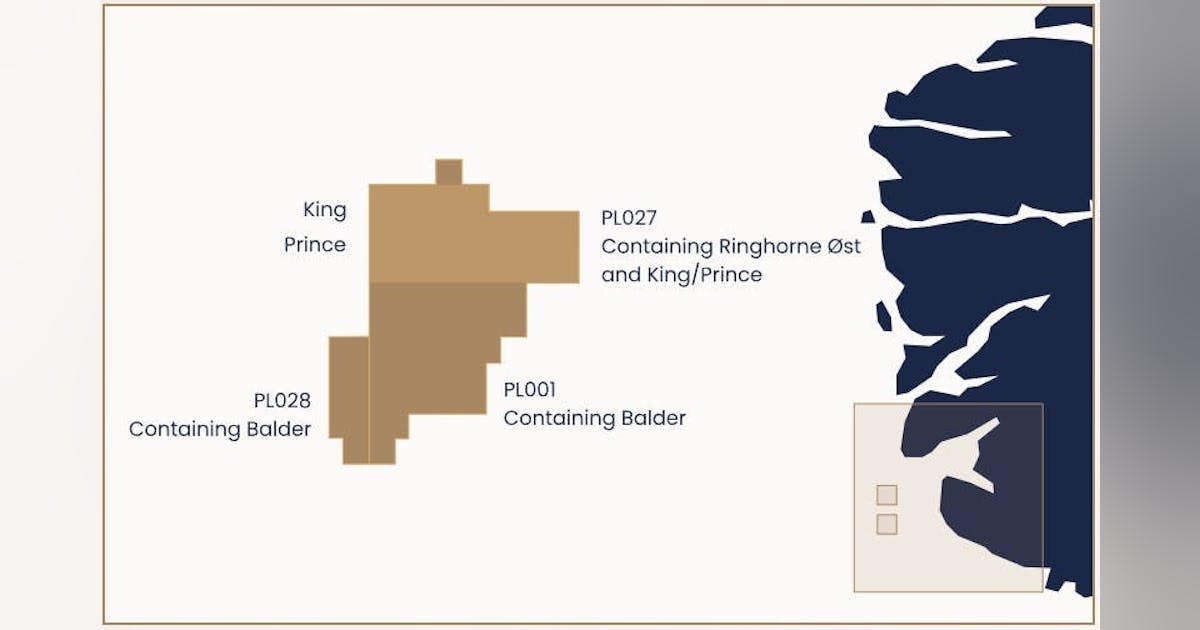
The Balder Area comprises two main fields, Balder and Ringhorne Øst. Production from the area commenced in 1999, through Balder field, which has been developed with subsea wells tied back to the Jotun FPSO. The Ringhorne platform commenced production in 2003 and is connected to the Balder FPU which processes and stores oil ready for offload onto shuttle tankers.

Vår Energi is operator of the Balder field (90%) with partner Kistos Energy Norway AS (10%).

Shape
Shape
Stay Ahead

Explore More Insights

Stay ahead with more perspectives on cutting-edge power, infrastructure, energy,  bitcoin and AI solutions. Explore these articles to uncover strategies and insights shaping the future of industries.

Shape

FortiBleed campaign exposes 75,000 Fortinet firewalls worldwide

“Attribution is ongoing, but the operational fingerprints are clear,” SOCRadar researchers said in a blog post, adding that the tooling and targeting choices are consistent with Russian-speaking threat actors. According to independent analyses, including by SOCRadar, Hudson Rock, and security researcher Kevin Beaumont, the threat actors systematically collected configuration files from

Read More »

Cisco: AI growth is exposing campus network limits

“Usually, networks are designed for consistent traffic, like SaaS and CRM traffic, and there aren’t a lot of unpredictable traffic patterns,” said the head of AI strategy for global IT and network engineering operations at a large U.S. technology company who participated in the research. “Suddenly, three AI agents are

Read More »

AMD acquires MEXT to add predictive memory optimization to its AI stack

Gogia said predictive memory tiering addresses inefficiencies that often leave expensive DRAM underutilized, but cautioned that optimization should complement, rather than replace, sound infrastructure design. “Predictive tiering attacks the waste inside that reflex,” he said, referring to the tendency to address performance challenges by purchasing more memory instead of improving

Read More »

FPSO ready for Santos-led Barossa LNG project

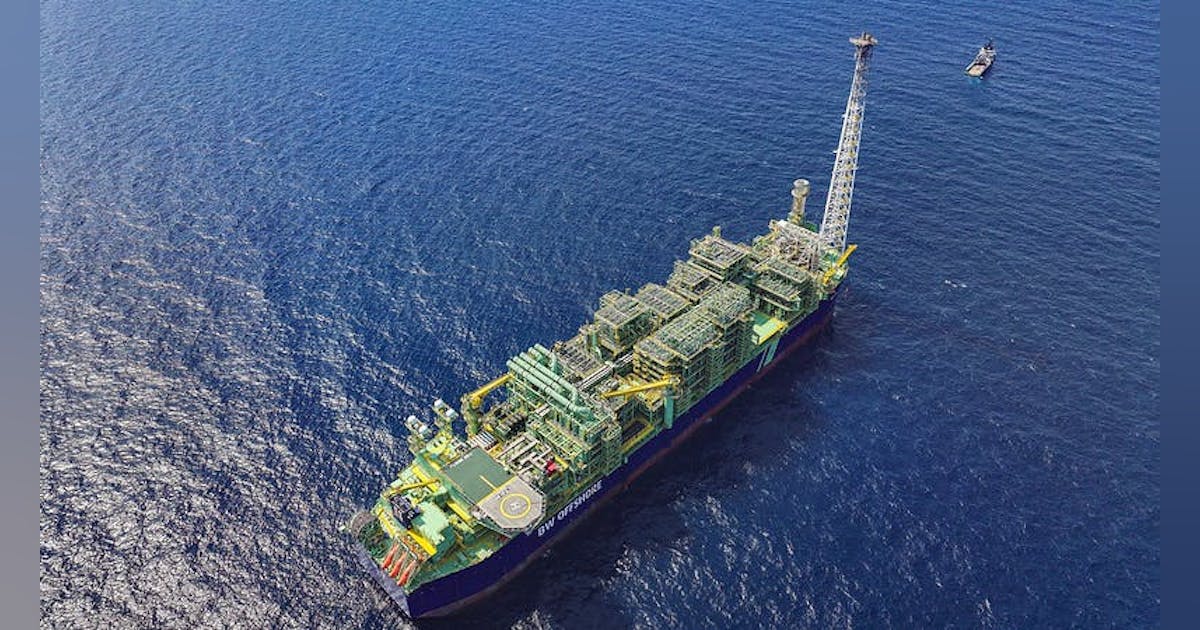
BW Offshore completed the Interim Performance Test (IPT) for the BW Opal floating production, storage, and offloading vessel (FPSO) as part of the commissioning program for the Santos Ltd.-operated Barossa LNG project about 285 km offshore from Darwin in the Northern Territory of Australia. The milestone is part of early-stage technical testing and adjustments following  first gas from the FPSO in September and the beginning of flow from subsea wells. BW Offshore confirmed that key production, processing, and utility systems on the FPSO were operating in an integrated manner and capable of delivering stable performance under production conditions. Following the restart of production in early May, BW Opal has continued gas production and export. Production is being managed in close coordination with Santos during this phase of the ramp-up and commissioning program. BW Opal contains a 358-m hull and accommodation for up to 140 personnel. It has gas handling capacity of 850 MMscfd and condensate handling capacity of 11,000 b/d. The FPSO will feed the Darwin LNG plant for the next two decades. The Barossa LNG project consists of the FPSO, a subsea production system, supporting in-field subsea infrastructure, a gas export pipeline, and a Darwin pipeline duplication. Up to eight subsea wells are planned (six wells from three drill centers) with contingency plans for an additional two wells. Gas and condensate is gathered from the wells through the subsea production system and then brought to the FPSO via a network of subsea infrastructure. Santos operates the Barossa LNG project (50%) with joint venture partners PRISM Energy International Australia Pty Ltd. (37.5%) and JERA Australia (12.5%).

Read More »

Equinor mulls additional Johan Sverdrup development phase

Equinor Energy AS is considering further development of the Johan Sverdrup area resources in the North Sea. Production from discoveries in Tonjer west and east and Geitungen would form the basis for the maturation of a potential phase 4 development in the northern part of the field. The volumes would be developed via subsea tieback to existing Johan Sverdrup infrastructure. Tonjer lies in the northernmost part of the Geitungen terrace in the Johan Sverdrup area. Oil was discovered in the area, but volumes and potential have been uncertain. The drilling of two appraisal wells and a sidetrack have provided a more precise assessment of the resource base.  Preliminary estimates for Tonjer and Geitungen combined are 20-30 MMboe. Further analyses of subsurface data will form the basis for more precise resource estimates. Phase 4 is now being matured towards an investment decision with a possible production start-up in 2029. Johan Sverdrup Johan Sverdrup, which accounts for about one third of Norwegian oil production, lies on the Utsira High (Utsirahøyden) in the central part of the North Sea, 65 km northeast of Sleipner field in water depths of 115 m. The main reservoir contains oil in Upper Jurassic intra-Draupne sandstone. The reservoir depth is 1,900 m. The quality of the main reservoir is excellent with very high permeability. The remaining oil resources are in sandstone in the Upper Triassic Statfjord Group and Middle to Upper Jurassic Vestland Group, as well as in spiculites in the Upper Jurassic Viking Group. Oil was also proven in Permian Zechstein carbonates. Equinor is operator of Johan Sverdrup (42.62%) with partners Aker BP (31.57%), Petoro (17.36%), and TotalEnergies (8.44%).

Read More »

Beacon advances deepwater Gulf developments with Monument, Zephyrus field work

Beacon Offshore Energy LLC is advancing two deepwater Gulf of Mexico developments, having drilled the first development well at Monument field and brought a second production well online at Zephyrus field. At Monument in Walker Ridge Block 315, the first development well reached a total depth of 32,250 ft and encountered 245 ft of net pay (true vertical thickness) in Lower Wilcox reservoirs, confirming pre-drill expectations for reservoir quality, the operator said. Beacon will continue drilling a second development well before completing the initial two-well program. First oil from the Wilcox development is expected before yearend 2026. Monument is being developed through a two-well, 17-mile subsea tieback to the Beacon-operated Shenandoah floating production system, which was designed as a regional host platform for developments in the northwestern Walker Ridge area, including Shenandoah, Monument, and Shenandoah South fields. Partners are Navitas Petroleum and Talos Energy Inc. At Zephyrus in Mississippi Canyon Block 759, production from the Zephyrus #2 well began in late April after the well was completed in first-quarter 2026. The well is producing from Miocene sands.  Combined with Zephyrus #1, which started production in late 2025, the field is expected to reach peak production of more than 20,000 boe/d. The Zephyrus development is tied back to the Shell plc-operated West Boreas subsea infrastructure, with production processed on the Olympus tension-leg platform in the Mars corridor. Partners are Houston Energy, HEQ II, Red Willow Offshore, Westlawn Americas Offshore, and Murphy Exploration & Production.

Read More »

Greece approves Chevron’s farm-in for offshore Block 10

Greece approved Chevron Corp.’s farm-in to offshore Block 10, clearing the way for the US major to complete its acquisition of a 70% interest and operatorship from HELLENiQ Energy. Greece’s Ministry of Environment and Energy and the Hellenic Hydrocarbon and Energy Resources Management Co. (HHRE) said June 15 that all administrative approvals have been completed for the transfer of the interest and operatorship. Chevron and HELLENiQ submitted the request for approval May 28. The companies also requested a 15-month extension of the second exploration phase for the block, which lies offshore the Kyparissia Gulf in the southern Ionian Sea. Following completion of the transfer, Chevron will hold a 70% interest and serve as operator, while HELLENiQ will retain the remaining 30%. Geological, geophysical, and environmental studies have been completed on the concession, including acquisition of 1,210 km of 2D seismic data in 2022 followed by 2,416 sq km of 3D seismic covering 88% of the block. The partners will use the seismic data to evaluate potential drilling targets before deciding whether to proceed to a third exploration phase, which includes an exploratory well. Chevron and HELLENiQ are already partners in four offshore concessions south of Crete and the Peloponnese, making Block 10 their fifth joint offshore license in Greece. Chevron said the agreement advances its strategy of expanding its exploration portfolio in the Eastern Mediterranean. Greek officials said the investment reflects confidence in the country’s offshore licensing framework and supports its long-term goal of strengthening Greece’s role in regional energy supply if exploration proves successful.

Read More »

Comstock farms out minority interest in midstream subsidiary for $600 million

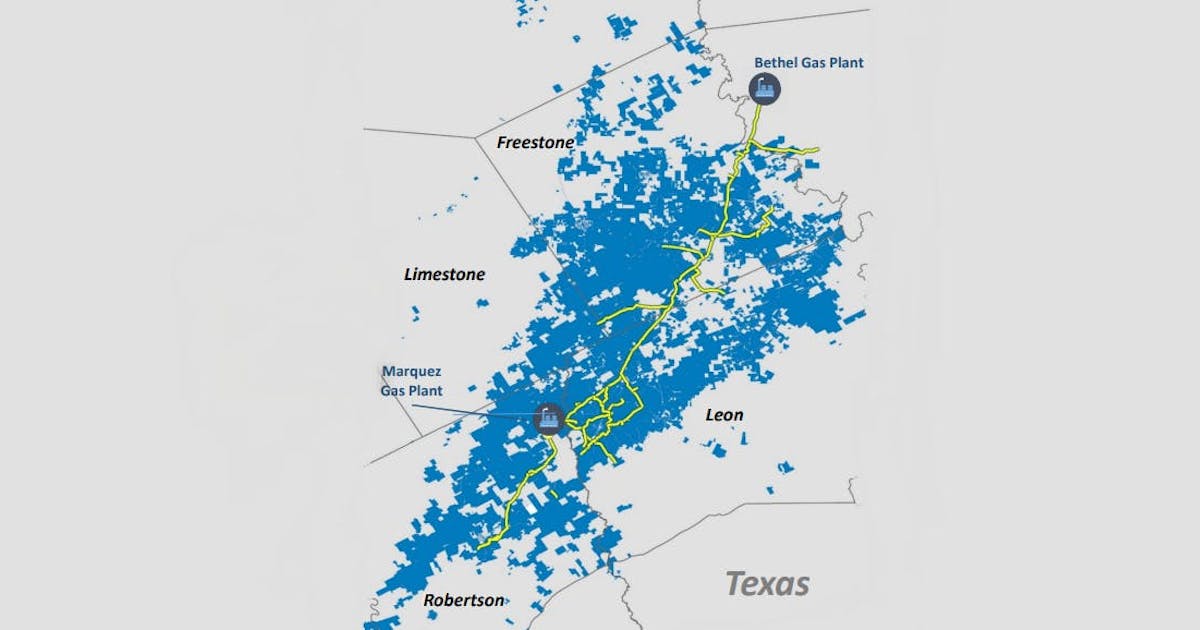
@import url(‘https://fonts.googleapis.com/css2?family=Inter:[email protected]&display=swap’); .ebm-page__main h1, .ebm-page__main h2, .ebm-page__main h3, .ebm-page__main h4, .ebm-page__main h5, .ebm-page__main h6 { font-family: Inter; } body { line-height: 150%; letter-spacing: 0.025em; } button, .ebm-button-wrapper { font-family: Inter; } .label-style { text-transform: uppercase; color: var(–color-grey); font-weight: 600; font-size: 0.75rem; } .caption-style { font-size: 0.75rem; opacity: .6; } #onetrust-pc-sdk [id*=btn-handler], #onetrust-pc-sdk [class*=btn-handler] { background-color: #c19a06 !important; border-color: #c19a06 !important; } #onetrust-policy a, #onetrust-pc-sdk a, #ot-pc-content a { color: #c19a06 !important; } #onetrust-consent-sdk #onetrust-pc-sdk .ot-active-menu { border-color: #c19a06 !important; } #onetrust-consent-sdk #onetrust-accept-btn-handler, #onetrust-banner-sdk #onetrust-reject-all-handler, #onetrust-consent-sdk #onetrust-pc-btn-handler.cookie-setting-link { background-color: #c19a06 !important; border-color: #c19a06 !important; } #onetrust-consent-sdk .onetrust-pc-btn-handler { color: #c19a06 !important; border-color: #c19a06 !important; } Comstock Resources Inc. sold a minority equity interest in its midstream subsidiary, Pinnacle Gas Services LLC, to certain funds managed by investment firm Sixth Street. Pinnacle provides gathering and treating services for Comstock’s Western Haynesville production through 246 miles of high-pressure pipeline and two gas treating plants. The infrastructure supports development of Comstock’s 540,000-net-acre Western Haynesville position, part of its 1,074,868 gross-acre (806,980 net) Haynesville/Bossier portfolio in Texas and Louisiana. Comstock is operating four rigs in the Western Haynesville this year as it continues delineating the play and expects to drill 21 wells and bring 20 online in 2026. The company also plans to operate five rigs in its legacy Haynesville position, where it expects to drill 50 wells and bring 48 online to support production growth through 2027. <!–> –><!–> –> Oct. 31, 2023 Sixth Street invested $600 million for a 27% equity interest in Pinnacle Gas Services, while Comstock Resources retains a 73% controlling interest and continues to manage and operate Pinnacle under a management services agreement. Under the terms of deal, Sixth Street’s ownership will be reduced to 19.5% when certain return thresholds are met, with Comstock’s interest increasing to 80.5%. Comstock chief

Read More »

Equinor aims to boost oil, gas production to 2.3 MMboe/d by 2030

Equinor ASA said it plans to increase oil and gas production to about 2.3 MMboe/d by 2030, supported by higher output from the Norwegian continental shelf (NCS) and international upstream growth.  The company, as part of its Capital Markets Day 2026, said it expects total production to rise by 150,000 boe/d by 2030, with NCS output increasing about 100,000 boe/d to 1.35 MMboe/d and international oil and gas production growing about 30% to roughly 950,000 boe/d. NCS-led upstream growth strategy Equinor described the NCS as the backbone of its upstream business and a key driver of long-term cash flow and value creation, with around 60% of capital expenditure directed to the basin. The operator plans to industrialize subsea field developments and increase recovery activity to accelerate resource maturation and reduce costs, targeting 6-8 new tieback projects per year toward 2035, noting the operating model shift aims to support a larger portfolio of subsea developments and increased recovery projects across the NCS. The NCS portfolio includes projects with break-even prices below US$35/bbl and payback times of less than 2.5 years. Continued increased recovery and exploration activity are expected to add new recoverable resources and extend field life, the company said. International oil and gas will account for about 30% of capital expenditure, with growth supported by assets in the United States, Brazil, Angola, the United Kingdom, and Canada. Across its international portfolio, production is expected to increase about 30% to roughly 950,000 boe/d by 2030. Total annual capex is guided to $11-13 billion in 2028-2030, following about $12 billion in 2027, including an additional $1 billion investment in high-return oil and gas projects that year.

Read More »

Edge networks a particular challenge for summer power, IT staffing needs

Power failures continue to dominate data center outage causes, accounting for 45% of impactful outages in Uptime Institute’s recently released 2026 Annual Outage Analysis report. While that figure declined from the previous year, it remains significantly higher than any other category. Within power-related incidents, UPS failures, transfer switch failures, and generator failures are the leading root causes. Uptime analysts said growing grid instability, power constraints, and high-density compute deployments are creating new pressure points for operators already running closer to capacity limits, according to a recent story on the report in Network World. Beyond power issues, hardware failures—particularly related to storage—also contribute to downtime. He noted that a lack of routine updates, especially to firmware, can make these problems worse, even when the underlying hardware is still functional.

Read More »

Turn enterprise AI into real business value with a secure, scalable factory

Building an enterprise AI factory is a complex endeavor that few organizations can tackle alone. The solution requires infrastructure capable of managing massive compute workloads generated by AI training and inferencing, high-capacity/low-latency networking within data centers and to the edge, and security to mitigate the risks that AI introduces. Abhinav Joshi, leader of AI solutions and product marketing at Cisco, identifies three key challenges inherent in building enterprise AI infrastructure: deployment complexity, security vulnerabilities, and performance bottlenecks. Agentic AI, with its heavy reliance on inferencing, places greater demands on infrastructure across all three dimensions. 3 challenges in building enterprise AI factories The deployment complexity challenge is driven by the need to quickly operationalize an AI infrastructure that fully integrates compute, networking, storage, security, and observability. A Kubernetes-based container management platform and a robust AI software toolchain are likewise essential to ensure the consistent development, testing, and deployment of containerized AI applications, Joshi says. The second challenge is mitigating security vulnerabilities. “Many organizations lack integrated security measures to protect the AI models, frameworks, applications, and the supporting infrastructure throughout the stack,” Joshi says. Attackers can exploit vulnerabilities by manipulating large language models (LLMs) with malicious inputs, which can disrupt operations and extract sensitive information. As AI agents ingest diverse data and act independently, they introduce new attack surfaces, including prompt injection, model poisoning, and data leaks.  Performance, especially around networking, is the third challenge. Tasks such as pre-training, post-training, and fine-tuning AI models, along with retrieval-augmented generation (RAG) pipelines and inferencing (including reasoning and agentic) all generate enormous amounts of network traffic. This creates severe bottlenecks across three critical communication paths: high-speed interconnects between graphics processing unit (GPU) servers, data throughput to storage layers, and real-time response delivery to end users. Without high-performance network connections, GPUs may be underutilized and jobs

Read More »

MSI’s Strategic Shift: From Server Vendor to Full-Spectrum AI Infrastructure Provider

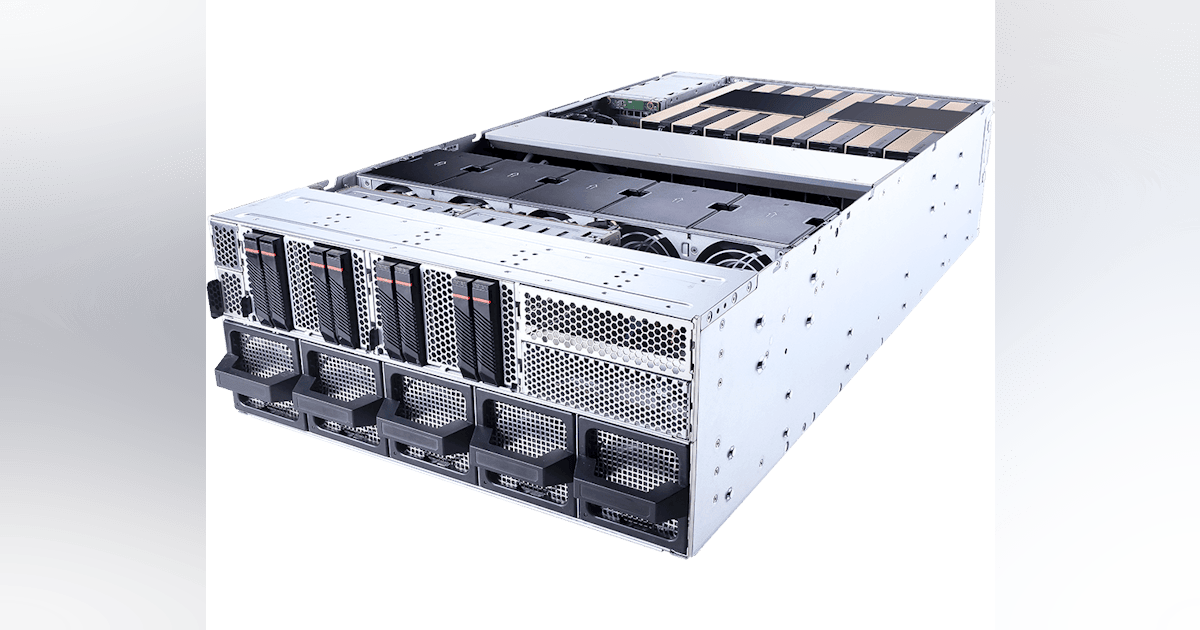
The 100 kW rack figure places MSI’s offering squarely in the world of AI-era rack densities, where conventional air cooling becomes increasingly difficult or inefficient. The announcement also suggests that MSI is aligning with hyperscale and large cloud design principles, particularly through ORv3 and 48V power distribution. The company is moving from the “we have servers that can be liquid cooled” message, to “we can participate in rack-level AI infrastructure design.” The EIA air-cooled architecture, by contrast, is designed for more conventional data center environments. MSI says its 19-inch, 48RU EIA air-cooled rack supports standard deployments and can be configured with 16 2U2N multi-node systems, with AMD EPYC 9005 and Intel Xeon 6 platform options. That split matters because the AI infrastructure market is not moving in one uniform direction. Hyperscalers, neoclouds, and AI factories may move aggressively into ORv3, liquid cooling, busbar power, and rack-scale designs. Enterprise data centers, managed service providers, and colocation customers often need to work within existing 19-inch rack footprints and existing facility constraints. MSI wants to supply both markets. The CG681-S6093: MSI’s Flagship Liquid-Cooled AI Server The centerpiece of MSI’s NVIDIA-based AI server announcement is the CG681-S6093, a 6U liquid-cooled AI server based on NVIDIA MGX architecture. MSI says the system supports dual AMD EPYC processors and up to eight NVIDIA RTX PRO 6000 Blackwell Server Edition Liquid Cooled GPUs. It also supports 32 DDR5 DIMMs and NVIDIA ConnectX-8 SuperNICs with up to 8×400Gbps networking. This system is a direct entry into high-density AI inference, HPC, simulation, graphics, video, and physical AI workloads. The server is not positioned only for frontier model training. Instead, MSI appears to be aiming at the expanding middle of the AI infrastructure market: large inference clusters, visual computing, simulation, industrial AI, scientific computing, and agentic AI workloads. The next

Read More »

Cooling at AI Scale: Inside Motivair’s Blueprint for the Liquid-Cooled Data Center

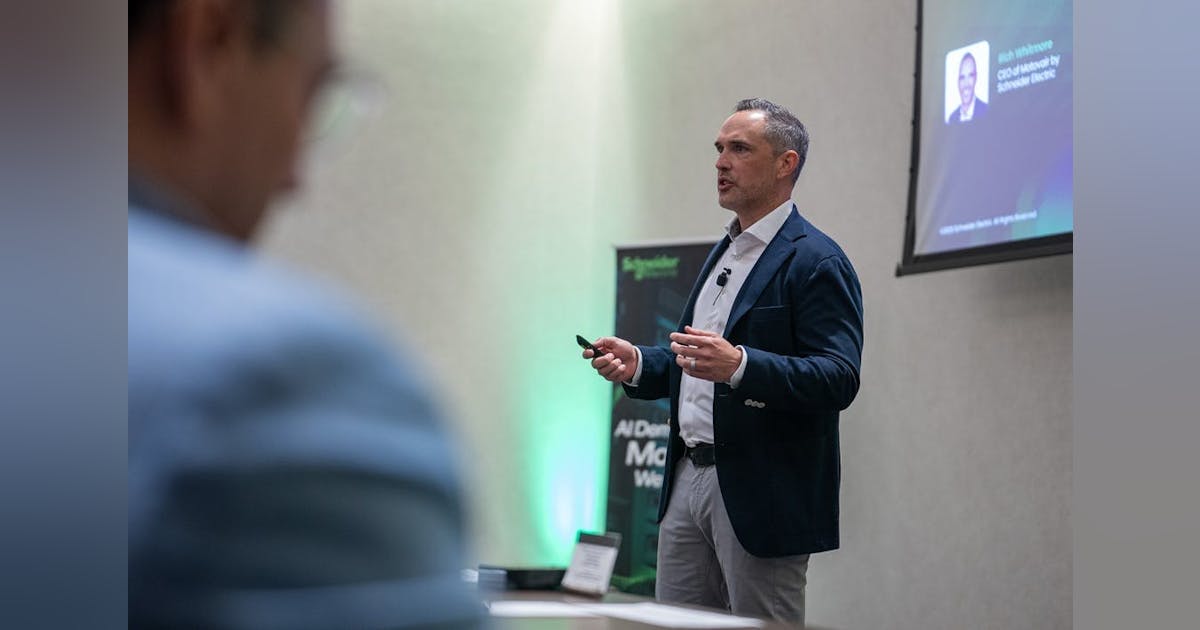
BUFFALO, N.Y. — In the race to build AI infrastructure, the industry often focuses on GPUs, power availability, and the massive capital investments reshaping the digital infrastructure landscape. But a walk through Motivair’s manufacturing facility in Buffalo, as provided on the eve of the Motivair-Schneider Electric Global Press Event’s tour of the nearby Terawulf Lake Mariner AI campus, offers a reminder that another critical component of the AI boom is being built one coolant distribution unit at a time. During a recent Data Center Frontier Show podcast recorded at Motivair’s Buffalo headquarters, CEO Rich Whitmore described a reality that is becoming bedrock across the industry: Liquid cooling is now very far from being an emerging technology. It is now a prerequisite for deploying the most advanced AI systems. “You cannot deploy AI servers—at least the cutting-edge AI servers—without liquid cooling,” Whitmore said. That observation may be obvious to infrastructure veterans. Yet it points to a larger shift now underway across the data center ecosystem. As AI workloads drive rack densities beyond the practical limits of air cooling, thermal infrastructure has moved from a supporting role to a primary design consideration. For Whitmore and Motivair, that transition did not begin with ChatGPT. From Supercomputing to Commercial AI Long before AI became the defining growth story of the data center sector, Motivair was developing liquid cooling systems for high-performance computing and supercomputing environments. Whitmore describes today’s AI market as less of a technological revolution than a commercialization of capabilities that have existed for years inside elite computing environments. “We cut our teeth in high-performance computing and supercomputing,” Whitmore explained. “What we’re seeing today as we go into the AI era is really a commercialization of traditional supercomputing.” That experience has positioned Motivair differently than many newer entrants rushing into the liquid cooling

Read More »

From Components to AI Factories: Peter Panfil Says the Future of Data Centers Is All About Integration at Scale

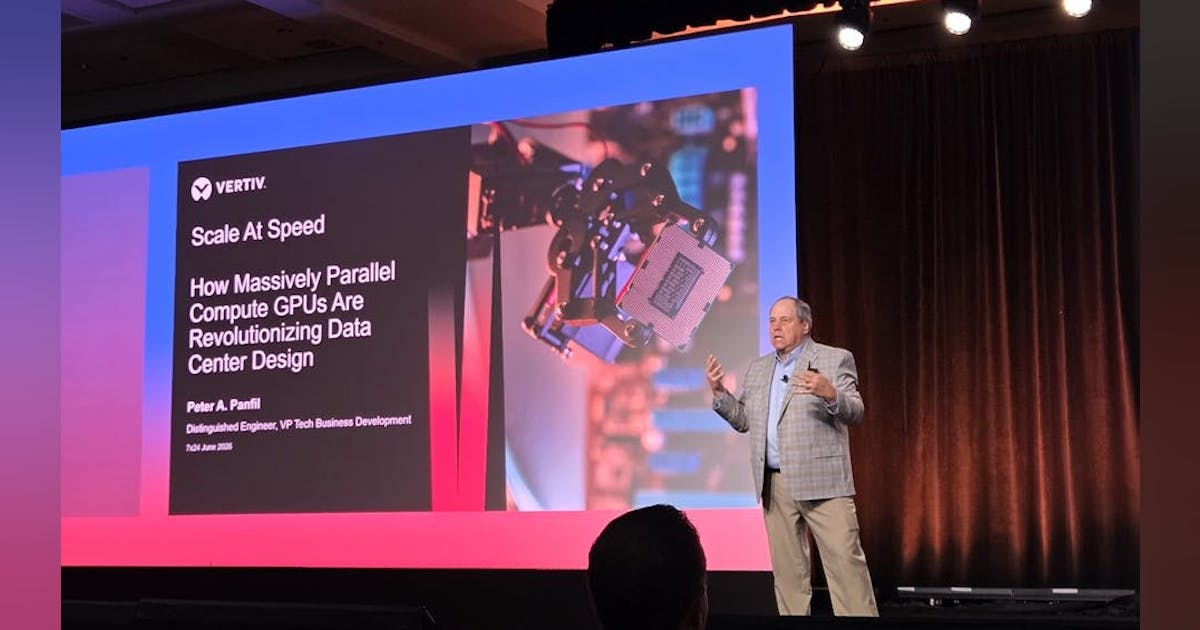
ORLANDO, Fla. — For years, the data center industry optimized individual systems: power distribution, cooling, racks, UPS equipment, and mechanical infrastructure. In the AI era, according to Vertiv Distinguished Engineer and Vice President of Technical Business Development Peter Panfil, that approach is no longer sufficient. Speaking during Wednesday morning’s keynote at the 2026 7×24 Exchange Spring Conference, Panfil presented a vision in which the data center itself becomes a single, tightly orchestrated computing appliance—truly an “AI factory” whose success depends less on standalone components than on the seamless interaction between them. Throughout his presentation, titled “Scale at Speed: How Massively Parallel Compute GPUs Are Revolutionizing Data Center Design,” Panfil repeatedly returned to a single imperative: the AI infrastructure race is increasingly defined by execution velocity. “If you think you’re going big enough, go bigger,” he told attendees. “If you think you’re going fast enough, you’re going to have to go faster.” For an industry gathered under the conference’s overarching theme of future-proofing AI infrastructure, Panfil’s message suggested something subtly different. Rather than trying to predict the future, operators should build systems capable of adapting to it. “I would much rather be future ready,” he said, “than future proof.” Speed Becomes the New Competitive Metric One of the keynote’s recurring themes was that deployment speed has become an economic variable in its own right. Panfil argued that hyperscalers and AI providers increasingly view time-to-capacity as directly tied to business value, making delays in construction or commissioning far more expensive than traditional infrastructure inefficiencies. “The cost of speeding up has real benefits right now,” he observed. That urgency is changing the way facilities are assembled. Rather than coordinating numerous independent contractors and subsystem vendors on-site, Panfil described an emerging model built around highly standardized, factory-produced HAC [hot aisle containment] modules—or “hacks”—that arrive

Read More »

Beyond the GPU: Cisco Says AI’s Biggest Challenge May Be the Network That Connects It All

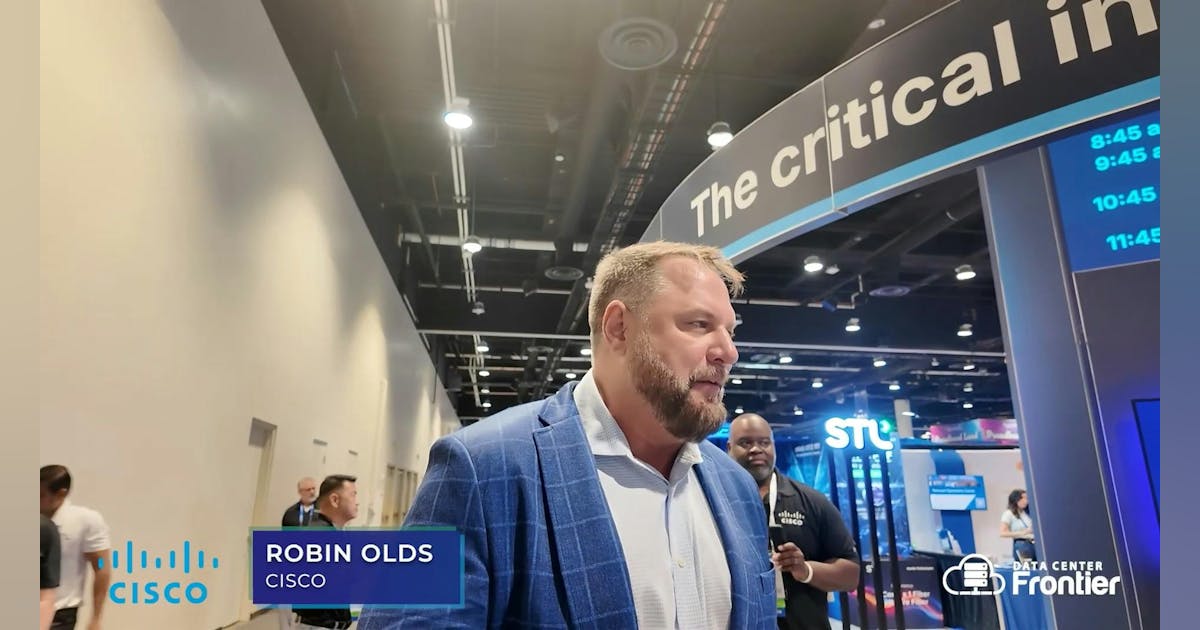
For much of the AI boom, the industry’s attention has centered on GPUs, power availability, and liquid cooling. But according to Cisco Senior Business Development Manager Robin Olds, another critical constraint is rapidly moving to the forefront: the network itself. Speaking with Data Center Frontier on the show floor at Fiber Connect 2026, Olds argued that AI represents a once-in-a-generation shift comparable to the birth of the commercial internet, fundamentally changing traffic patterns and forcing service providers, data center operators, hyperscalers, and emerging neoclouds to rethink infrastructure design. “It’s really like the internet when it was created,” Olds said. “We’re at another intersection in time where we could really see things happening.” AI Is Rewriting the Bandwidth Equation The most significant change may not be compute density alone but the sustained demand AI places on transport networks. According to Olds, service providers are already seeing AI traffic account for roughly 30% of utilization on backbone infrastructure; a dramatic increase from less than 1% only two years ago. As AI workloads continue to proliferate, those utilization levels are expected to rise further. The next wave of agentic AI could amplify that trend. Unlike consumer chatbots, which generate bursty request patterns, autonomous AI agents continuously interact with applications and external services, creating more persistent traffic flows. “Everything’s about chatbots,” Olds observed. “It’s very spiky—up, down. Agentic AI is going to maintain utilization because now I have agents working on my behalf.” For data center developers, network operators, and cloud providers alike, that implies planning not just for peak demand but for elevated baseline utilization across metro and long-haul infrastructure. Compressing the Network Stack Cisco’s response centers on architectural simplification. Olds highlighted the company’s Agile Services Networking framework, which combines router and optical networking technologies with coherent optics to converge functions that historically

Read More »

Microsoft will invest $80B in AI data centers in fiscal 2025

And Microsoft isn’t the only one that is ramping up its investments into AI-enabled data centers. Rival cloud service providers are all investing in either upgrading or opening new data centers to capture a larger chunk of business from developers and users of large language models (LLMs).  In a report published in October 2024, Bloomberg Intelligence estimated that demand for generative AI would push Microsoft, AWS, Google, Oracle, Meta, and Apple would between them devote $200 billion to capex in 2025, up from $110 billion in 2023. Microsoft is one of the biggest spenders, followed closely by Google and AWS, Bloomberg Intelligence said. Its estimate of Microsoft’s capital spending on AI, at $62.4 billion for calendar 2025, is lower than Smith’s claim that the company will invest $80 billion in the fiscal year to June 30, 2025. Both figures, though, are way higher than Microsoft’s 2020 capital expenditure of “just” $17.6 billion. The majority of the increased spending is tied to cloud services and the expansion of AI infrastructure needed to provide compute capacity for OpenAI workloads. Separately, last October Amazon CEO Andy Jassy said his company planned total capex spend of $75 billion in 2024 and even more in 2025, with much of it going to AWS, its cloud computing division.

Read More »

John Deere unveils more autonomous farm machines to address skill labor shortage

Join our daily and weekly newsletters for the latest updates and exclusive content on industry-leading AI coverage. Learn More Self-driving tractors might be the path to self-driving cars. John Deere has revealed a new line of autonomous machines and tech across agriculture, construction and commercial landscaping. The Moline, Illinois-based John Deere has been in business for 187 years, yet it’s been a regular as a non-tech company showing off technology at the big tech trade show in Las Vegas and is back at CES 2025 with more autonomous tractors and other vehicles. This is not something we usually cover, but John Deere has a lot of data that is interesting in the big picture of tech. The message from the company is that there aren’t enough skilled farm laborers to do the work that its customers need. It’s been a challenge for most of the last two decades, said Jahmy Hindman, CTO at John Deere, in a briefing. Much of the tech will come this fall and after that. He noted that the average farmer in the U.S. is over 58 and works 12 to 18 hours a day to grow food for us. And he said the American Farm Bureau Federation estimates there are roughly 2.4 million farm jobs that need to be filled annually; and the agricultural work force continues to shrink. (This is my hint to the anti-immigration crowd). John Deere’s autonomous 9RX Tractor. Farmers can oversee it using an app. While each of these industries experiences their own set of challenges, a commonality across all is skilled labor availability. In construction, about 80% percent of contractors struggle to find skilled labor. And in commercial landscaping, 86% of landscaping business owners can’t find labor to fill open positions, he said. “They have to figure out how to do

Read More »

2025 playbook for enterprise AI success, from agents to evals

Join our daily and weekly newsletters for the latest updates and exclusive content on industry-leading AI coverage. Learn More 2025 is poised to be a pivotal year for enterprise AI. The past year has seen rapid innovation, and this year will see the same. This has made it more critical than ever to revisit your AI strategy to stay competitive and create value for your customers. From scaling AI agents to optimizing costs, here are the five critical areas enterprises should prioritize for their AI strategy this year. 1. Agents: the next generation of automation AI agents are no longer theoretical. In 2025, they’re indispensable tools for enterprises looking to streamline operations and enhance customer interactions. Unlike traditional software, agents powered by large language models (LLMs) can make nuanced decisions, navigate complex multi-step tasks, and integrate seamlessly with tools and APIs. At the start of 2024, agents were not ready for prime time, making frustrating mistakes like hallucinating URLs. They started getting better as frontier large language models themselves improved. “Let me put it this way,” said Sam Witteveen, cofounder of Red Dragon, a company that develops agents for companies, and that recently reviewed the 48 agents it built last year. “Interestingly, the ones that we built at the start of the year, a lot of those worked way better at the end of the year just because the models got better.” Witteveen shared this in the video podcast we filmed to discuss these five big trends in detail. Models are getting better and hallucinating less, and they’re also being trained to do agentic tasks. Another feature that the model providers are researching is a way to use the LLM as a judge, and as models get cheaper (something we’ll cover below), companies can use three or more models to

Read More »

OpenAI’s red teaming innovations define new essentials for security leaders in the AI era

Join our daily and weekly newsletters for the latest updates and exclusive content on industry-leading AI coverage. Learn More OpenAI has taken a more aggressive approach to red teaming than its AI competitors, demonstrating its security teams’ advanced capabilities in two areas: multi-step reinforcement and external red teaming. OpenAI recently released two papers that set a new competitive standard for improving the quality, reliability and safety of AI models in these two techniques and more. The first paper, “OpenAI’s Approach to External Red Teaming for AI Models and Systems,” reports that specialized teams outside the company have proven effective in uncovering vulnerabilities that might otherwise have made it into a released model because in-house testing techniques may have missed them. In the second paper, “Diverse and Effective Red Teaming with Auto-Generated Rewards and Multi-Step Reinforcement Learning,” OpenAI introduces an automated framework that relies on iterative reinforcement learning to generate a broad spectrum of novel, wide-ranging attacks. Going all-in on red teaming pays practical, competitive dividends It’s encouraging to see competitive intensity in red teaming growing among AI companies. When Anthropic released its AI red team guidelines in June of last year, it joined AI providers including Google, Microsoft, Nvidia, OpenAI, and even the U.S.’s National Institute of Standards and Technology (NIST), which all had released red teaming frameworks. Investing heavily in red teaming yields tangible benefits for security leaders in any organization. OpenAI’s paper on external red teaming provides a detailed analysis of how the company strives to create specialized external teams that include cybersecurity and subject matter experts. The goal is to see if knowledgeable external teams can defeat models’ security perimeters and find gaps in their security, biases and controls that prompt-based testing couldn’t find. What makes OpenAI’s recent papers noteworthy is how well they define using human-in-the-middle

Read More »