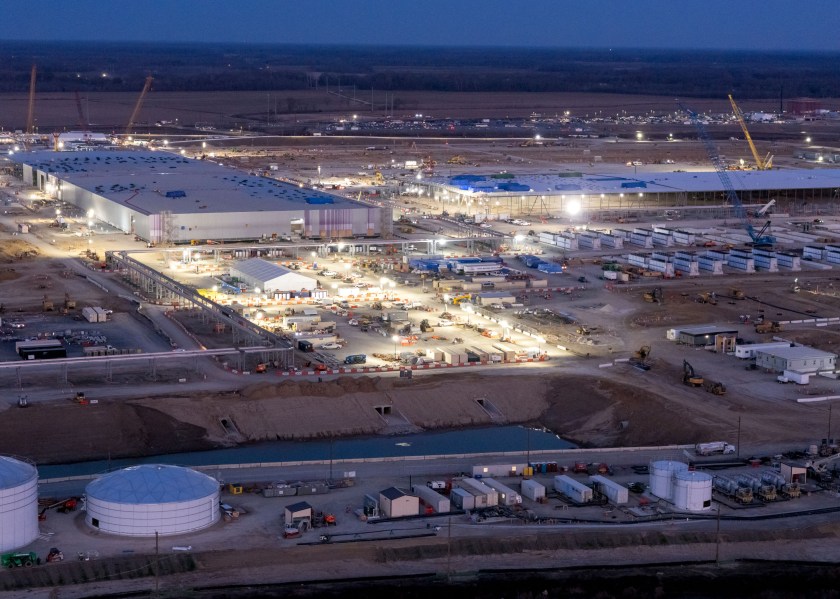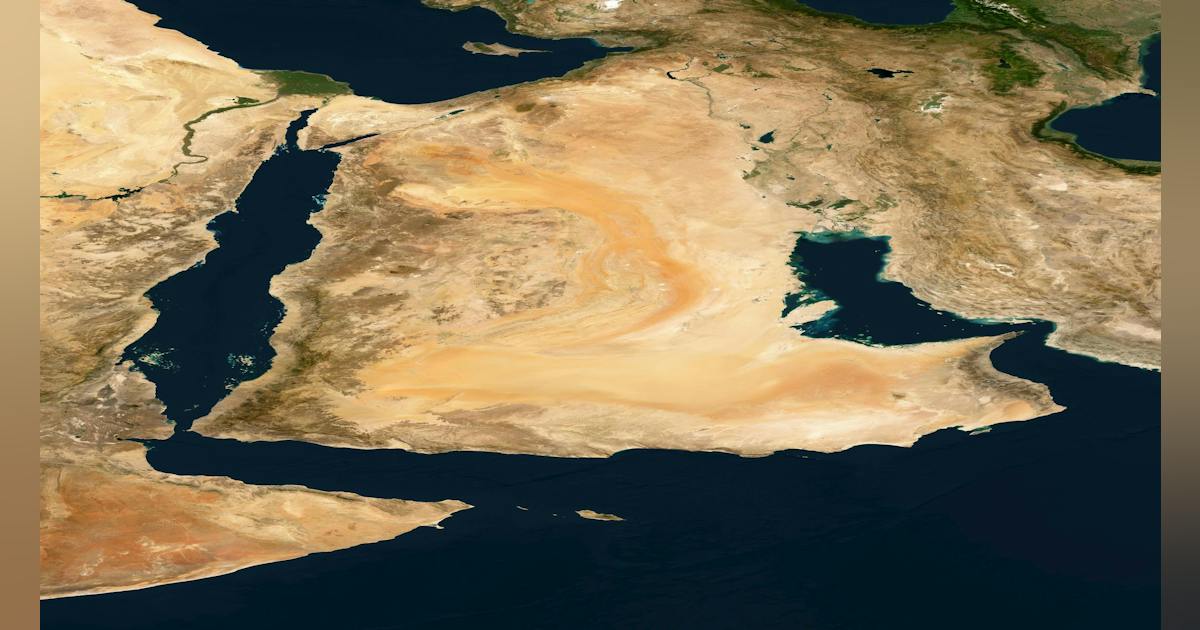
Saudi Arabia has shut its 1,200-km (745-mile) East-West pipeline following Sept. 11, 2026, drone attacks. Saudi officials said the drones were launched from Iraq but have not disclosed the extent of any injuries or damage or provided a timetable for repairs. Satellite imagery released Sept. 13 appeared to show substantial damage to a pumping station along the pipeline.
East-West, which has a maximum design capacity of 7 million b/d, had been operating at 2 million b/d in August according to Kpler, as increased Houthi attacks in and around Bab El-Mandeb reduced Red Sea traffic. Earlier in the Iran war, flows had been 4-5 million b/d, with the pipeline serving as an alternative to the Strait of Hormuz for Saudi exports.
Stay updated on oil price volatility, shipping disruptions, LNG market analysis, and production output at OGJ’s Iran war content hub.
Saudi oil buyers and traders told Reuters that stocks at Red Sea terminals could support exports for 5-7 days if the pipeline remains out of service. A prolonged shutdown could remove as much as 4% of global oil supply, according to market estimates. Repair estimates have ranged from several days to as long as 6 weeks.
Saudi Arabia reported to the Organization of Petroleum Exporting Countries (OPEC) that its crude production declined to 6.2 million b/d in August, down from 10.9 million b/d in February. Overall OPEC+ crude production fell 1.5 million b/d in August to 33.1 million b/d. Production from the 17 quota-bound OPEC+ members declined 980,000 b/d to 27 million b/d, 7.3 million b/d below their August target. On Sept. 6, OPEC+ agreed to maintain October production targets at September levels.
Global oil prices climbed sharply Sept. 14 in the wake of the shutdown. Brent crude futures rose above $108/bbl, reaching levels not seen since May, before retreating. The benchmark has risen roughly 50% since the start of the war in late February. US West Texas Intermediate also moved above $100/bbl.