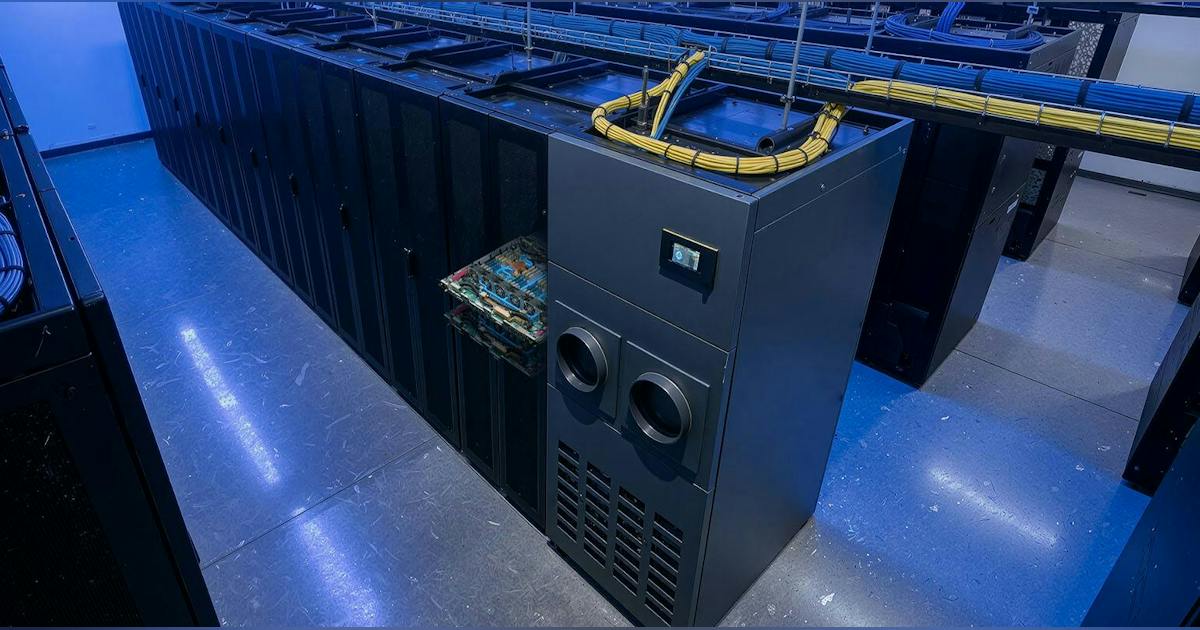
The biggest driver in today’s global economy is the data center, and in the process, data centers are generating and taking more heat than ever before. Heat — the generation of it and public concerns about it — is the most pressing issue facing the data center industry. In response, data center managers and engineers are viewing the problem in new ways, devising innovative, next-generation thermal control strategies that manage the problem more effectively. In the minds of IT managers and the public, data centers and AI are joined at the hip, along with increasing power demands and associated issues of environmental impact, water usage, and higher utility costs. As community activists, political leaders, and now even some prominent AI industry CEOs call for limits on AI development and data center construction, it’s imperative that the data center industry better manage the heat they’re producing — and taking. Sponsored Resources: Texas Instruments’ portfolio of data center thermal management systems spans the full coolant path. It’s been under active development at TI for decades and has evolved in response to the rising power, computing demands, and complexity of advanced data centers. Traditional thermal management techniques can’t keep up with AI’s intense computing requirements. For decades, air cooling was sufficient. Fans blew cool air across hot components and carried heat away, keeping data centers and AI servers operating reliably. But with AI training and inference pushing rack power beyond 20kW to 40kW, air alone can no longer remove heat quickly enough. In addition, air cooling is noisy and consumes too much energy. AI server racks are coming online now that draw 100kW of power, and they’re on their way to more than a megawatt in a few years. Each generation of servers grows denser, more powerful, and hotter as they move and compute massive volumes