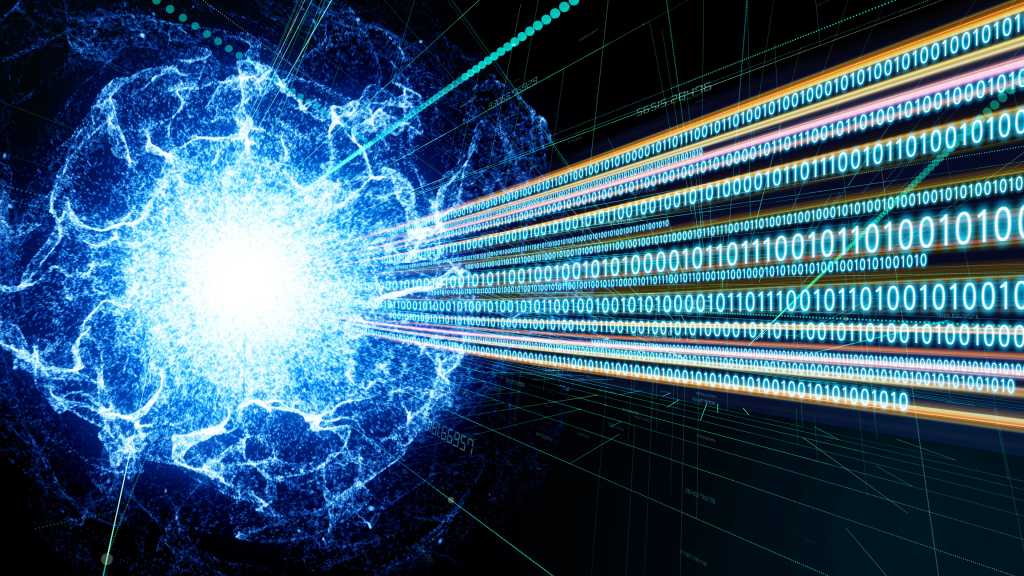
“Connecting 1,000 quantum nodes point to point takes close to 500,000 dedicated links. The switch is designed to let every node reach every other node over one shared fabric instead,” Pandey wrote. “Once that fabric scales, deciding who gets entanglement, at what quality, in what order, with what guarantees and on what timing isn’t a human-scale task. It takes software coordinating every device with the timing precision quantum operations demand. The Controller is that coordinator.”
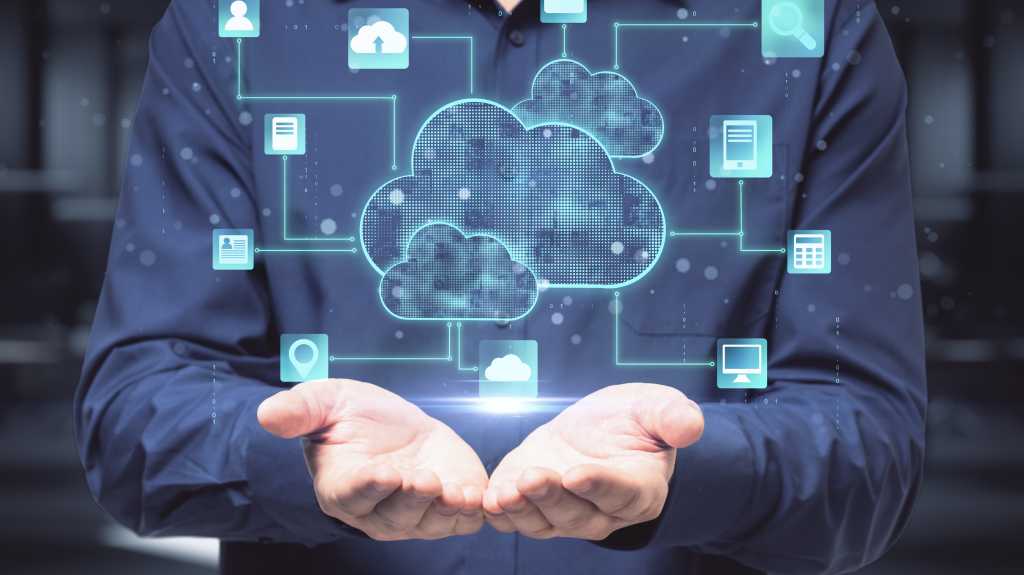
“The Controller exposes an interface for each device category—sources, switches, detectors, and timing systems—with a hardware abstraction layer (HAL) underneath, so any vendor’s hardware in that category plugs in the same way,” he wrote. “An application requests entanglement, naming the endpoints, rate, fidelity, and timing it needs, without knowing how any of that gets physically produced. We call the model Entanglement-as-a-Service (EaaS). It does for entanglement what shared cloud infrastructure did for CPU cycles, turning a resource that used to require a dedicated physical connection into something the network schedules on demand.”
Pandey added: “Because the information in a quantum state cannot be read without destroying it, the Controller cannot inspect traffic the way a classical monitoring tool would. Instead, it verifies link quality statistically, applies predefined tuning, retry, or reinitialization when performance drifts, and escalates to a person only when self-correction fails. The Controller does not hand out entanglement once and walk away; it keeps checking that the link stays healthy for as long as the application is using it, and reclaims the hardware the moment the job ends.”