Global LNG markets are entering winter with limited supply cushion, even as a growing carrier fleet and shorter Atlantic voyages keep shipping rates subdued. Meanwhile China is showing signs of returning to long-term US contracting.
New liquefaction capacity and higher utilization outside Qatar and the UAE have offset about 60% of Middle East LNG supply losses since March, according to a recent analysis from Morgan Stanley. Weaker demand outside Europe and European storage withdrawals have helped offset the remaining supply loss, but left inventories unusually low heading into winter.
EU storage was about 70% full in late September, compared with 82% a year earlier and a 10-year average of 87%. Morgan Stanley raised its fourth-quarter JKM forecast to $27.50/MMbtu from $25/MMbtu, citing a slower Qatari restart and continued winter upside risk.
Europe is drawing more flexible US supply. About 57% of US LNG exports were headed to Europe in September, up from 53% in August, while US feedgas rose about 6% month over month as Freeport recovered from an outage.
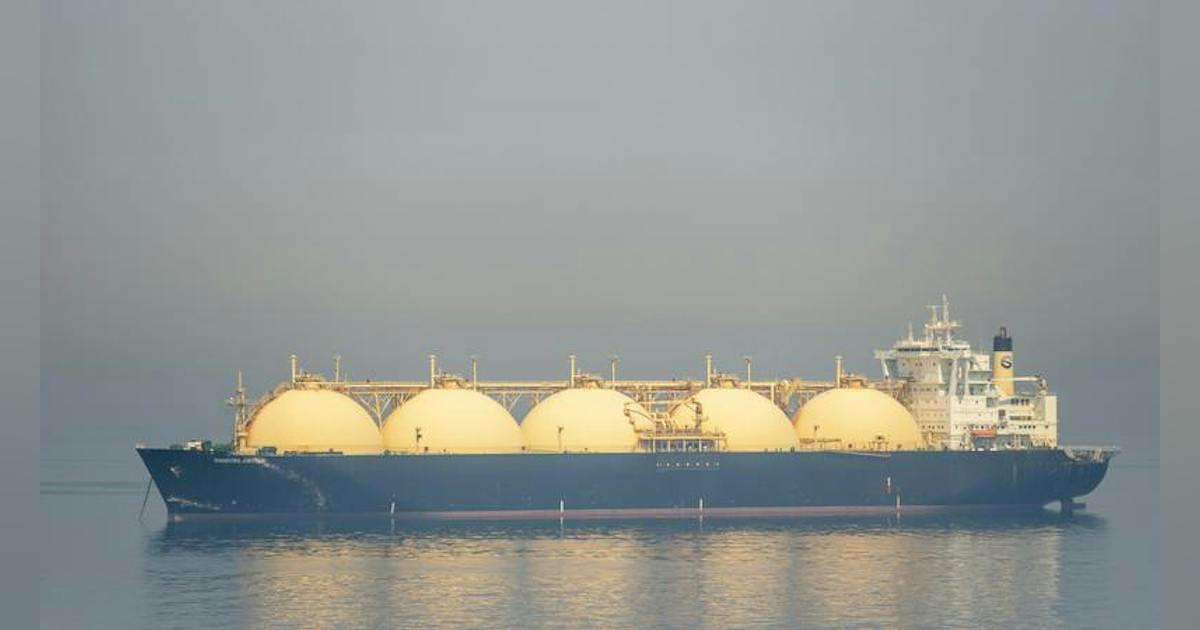
Strong European demand is supporting vessel demand, but shorter US-Europe voyages and rapid fleet growth are more than offsetting that pressure. Atlantic spot rates for modern two-stroke LNG carriers stood at about $25,750/day on Oct. 6, while Pacific rates were about $39,000/day, according to Spark Commodities data. About 55 new LNG carriers were delivered in the first 7 months of 2026, with more expected by yearend.
Morgan Stanley similarly noted that Asia LNG carrier rates had fallen about 80% from early-March highs and returned near pre-conflict levels, although route costs remain above levels immediately before the conflict.
Meantime, the investment bank expects more than 30 million tpy of non-Middle East capacity to start by end-2027, before additional volumes from Qatar’s North Field expansion.
China contracting returns
China is adding another layer to the market outlook. The Iran war has disrupted global natural gas shipments, prompting China to seek to diversify its sources of supply.
In retaliation for US President Donald Trump’s tariffs on Chinese goods, China imposed a 15% tariff on US LNG in February 2025. Chinese purchases of US LNG stopped in March 2025.
Venture Global is in early-stage talks with at least three Chinese LNG buyers, including PetroChina, over potential long-term purchases from its Louisiana projects, according to Bloomberg. PetroChina’s potential volume would exceed 1 million tonnes/year (tpy). The talks follow China Gas Holdings’ September agreement to buy 0.5 million tpy from Venture Global for 20 years beginning in 2030.
Near-term Chinese demand remains weak, however. China’s LNG imports were around 7% lower year to date, reflecting ample pipeline gas, weak downstream consumption, and competitive domestic pricing.