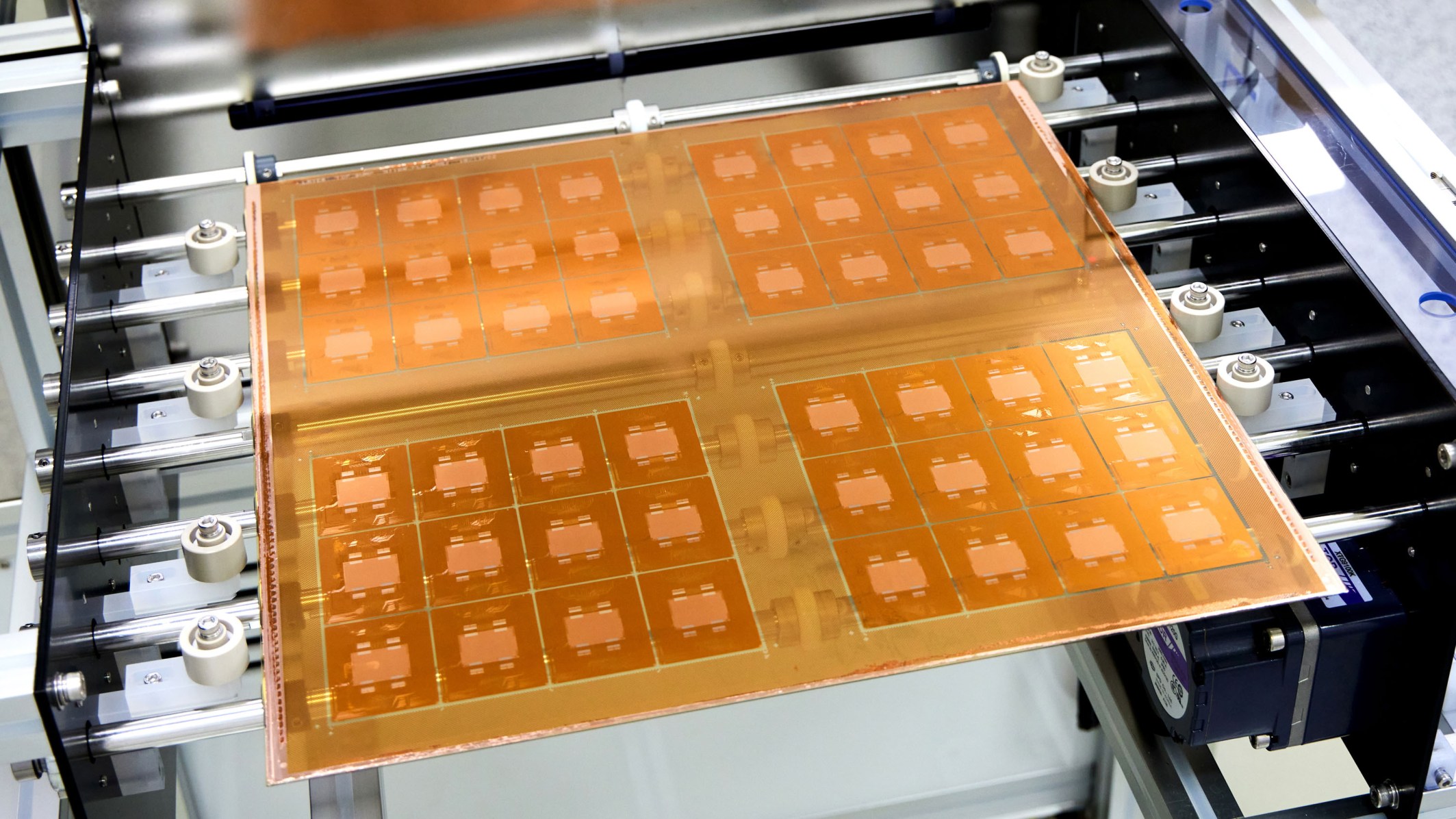
Faruqui noted that because Nvidia absorbs the lion’s share of TSMC’s packaging allocation for its Blackwell platforms, AMD’s ability to substantially increase its 2027 volumes therefore depends entirely on how many packaging slots it can successfully wrestle away from competitors.
Lastly, while AMD is exploring broader ecosystem investments (such as expanding its multi-billion-dollar presence in Taiwan), it remains 100% tied to TSMC as its primary foundry for advanced nodes, added Faruqui. Efforts to diversify, such as evaluating potential packaging or wafer capacity from US-based fabs (like TSMC’s Texas initiatives), will not yield meaningful volume relief by 2027, leaving its ramp entirely vulnerable to supply chain shocks or capacity rationing in Taiwan, added Faruqui.
AI compute crunch may persist through 2027
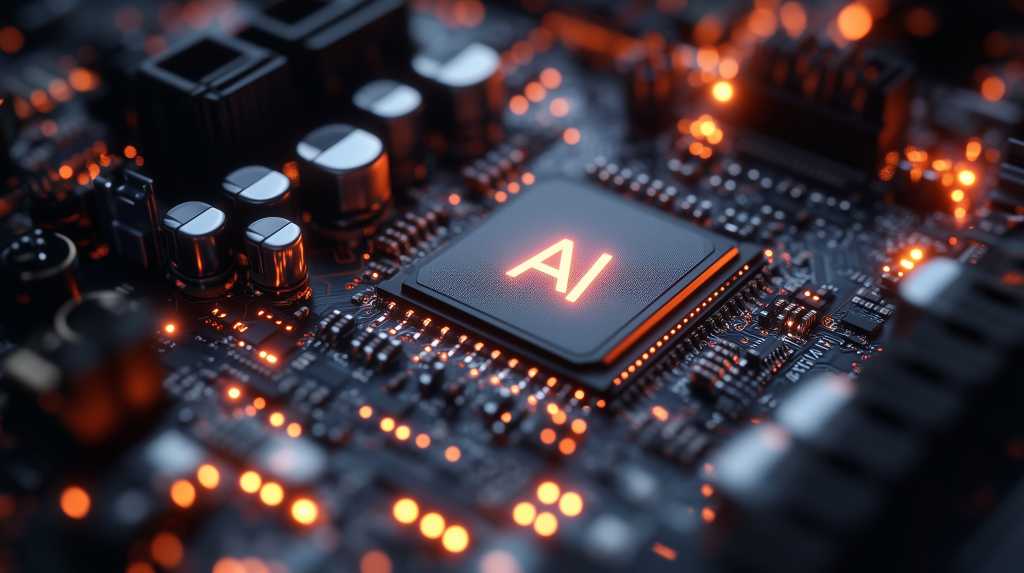
The AI compute supply crunch is expected to remain acute till the first half of 2027, say experts. This is because the shortage extends beyond GPUs to high-bandwidth memory, advanced packaging, data-centre space and reliable power, and demand from AI training and inference workloads continues to outpace the substantial new capacity being added.