
Arm announces methodology for evaluating CPU performance
Arm released a white paper, developed with partners, that proposes a use-case-driven methodology for measuring the CPU’s contribution to agentic AI systems. It defines five representative workload types—software engineering, enterprise operations, financial and scientific research, personal assistants, and robotics—and pairs component-level benchmarking with end-to-end task measurement built on re-playable agent trajectories.
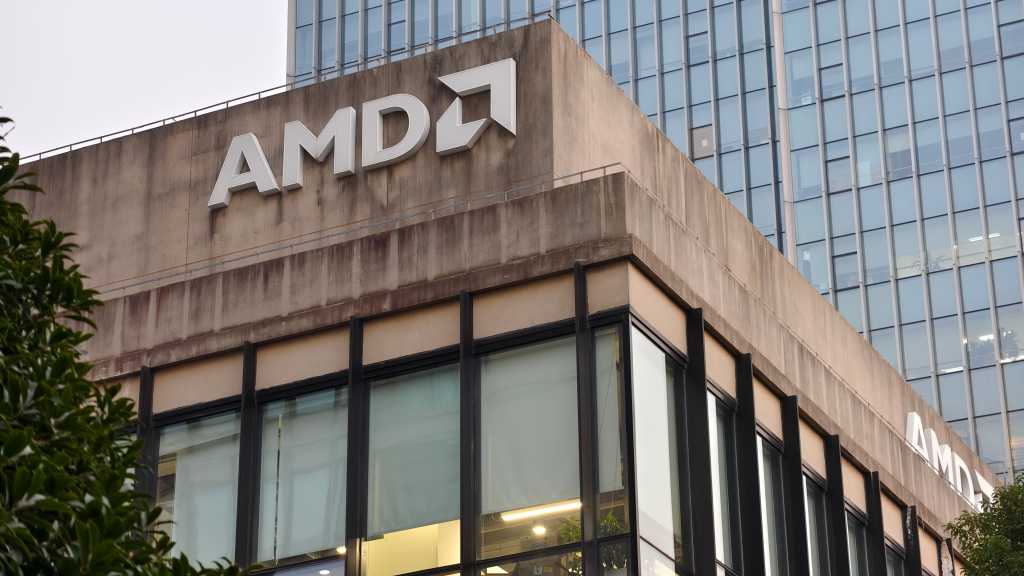
Arm also highlighted independent testing by Signal65 that found its AGI CPU could deliver up to twice the rack-level performance of AMD’s Epyc Turin generation server processors across select agentic AI workloads. The comparison emphasizes completed work under rack-level constraints rather than conventional CPU benchmarks alone. In the testing, an Arm AGI CPU averaged 1.7x better performance for tooling, 2.0x for agentic workflows and orchestration, and 2.2x for reasoning and planning in modeled per-rack performance versus an AMD Epyc Turin processor. Arm’s AGI CPU reduces sandbox creation latency by up to 45% versus AMD Epyc 9965, helping agents spin up isolated execution environments faster, according to Arm.
Kioxia introduces SSDs for AI
Kioxia unveiled its LD4 Series enterprise solid-state drives (SSD), designed to increase flash storage density in hyperscale data centers and high density 1U servers. The drives target read-intensive workloads, including data storage applications supporting artificial intelligence infrastructure.