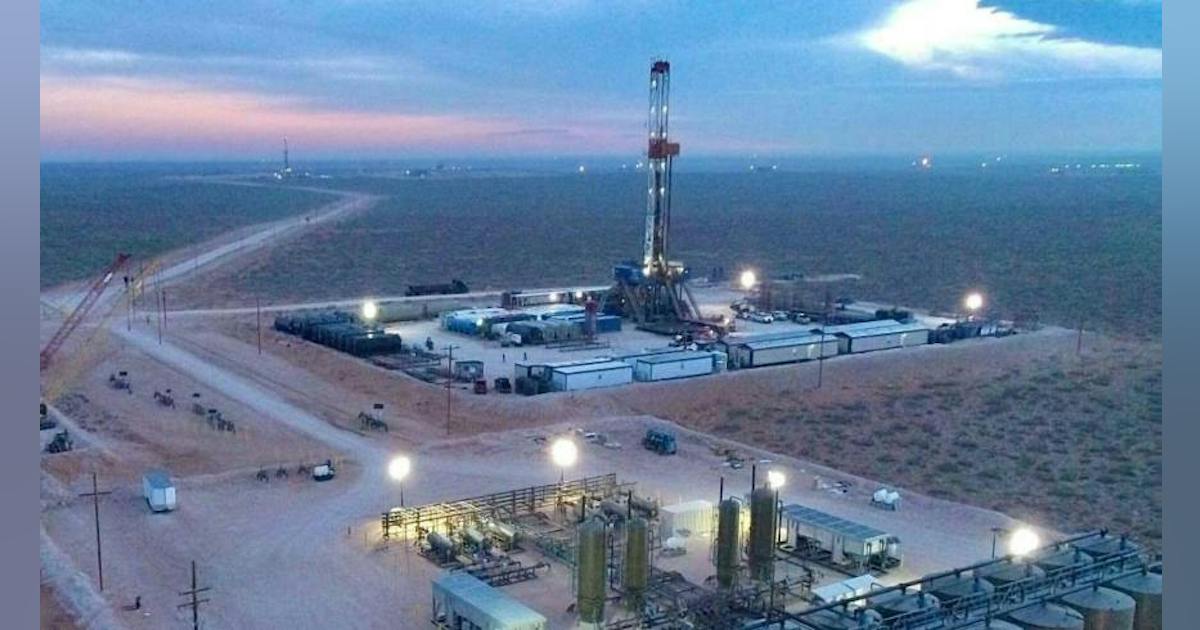
Tom Elsener, one of Matador’s executive vice-presidents, said wells near the property recently leased from the Bureau of Land Management were key contributors to the company’s topping its third-quarter expectations. That has executives eager to expand their work and 2 of the net 21-23 wells they expect to turn to sales this quarter are on federal land.
Looking into 2027, chief financial officer Chris Calvert told analysts that the Matador team has positioned itself to be capital-efficient—its 2026 guidance for total capex is now around $1.7 billion, up from a midpoint of $1.675 billion 3 months ago—by having the option to invest either in its newly acquired assets or in its legacy properties.
“We do see ourselves as being a potential relative grower. And we think we could prosecute a plan that not only allows us to be a relative grower but we could still achieve debt repayments,” Calvert said. “We could still grow our reserve base and then we could still potentially grow our acreage position through our brick-by-brick program.”
Matador’s third-quarter activities brought in $1.16 billion in revenue and generated $195 million in net income. The latter figure was down slightly from the same period in 2025 primarily due to more than $227 million of losses from derivatives. Operating profits rose to $354 million from $306 million.
Shares of Matador (Ticker: MTDR) fell about 7% to $50.37 on Nov. 4, when oil prices fell just as steeply on the heels of the midterm election results. Over the past 6 months, the stock is down about 20%, which has cut the company’s market capitalization to about $6.2 billion.