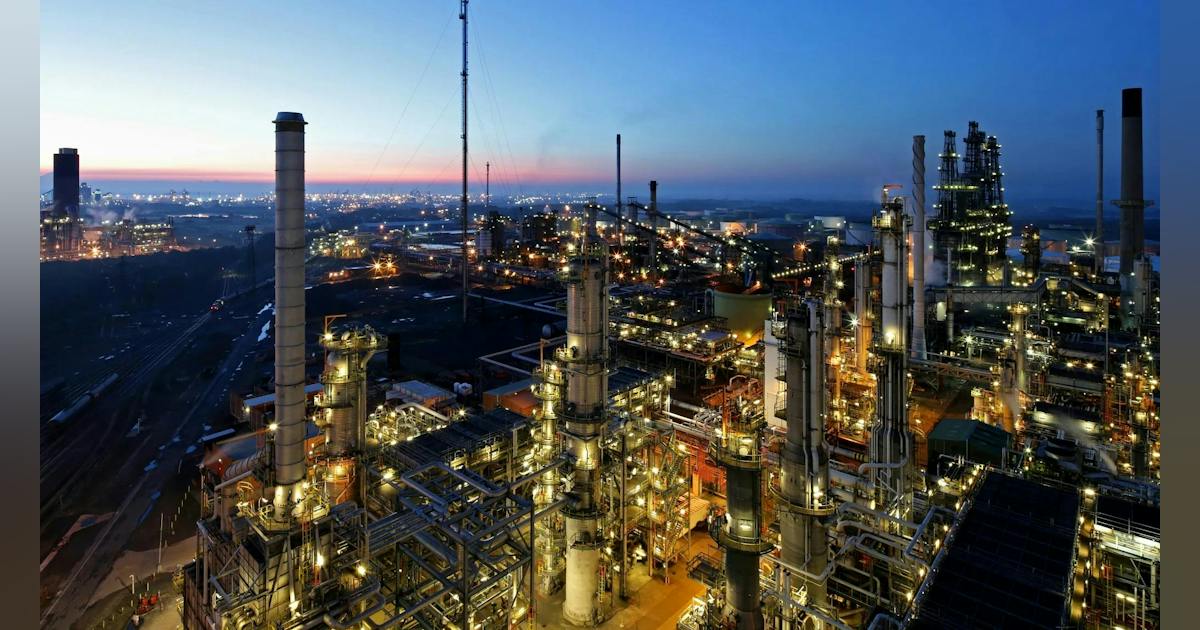
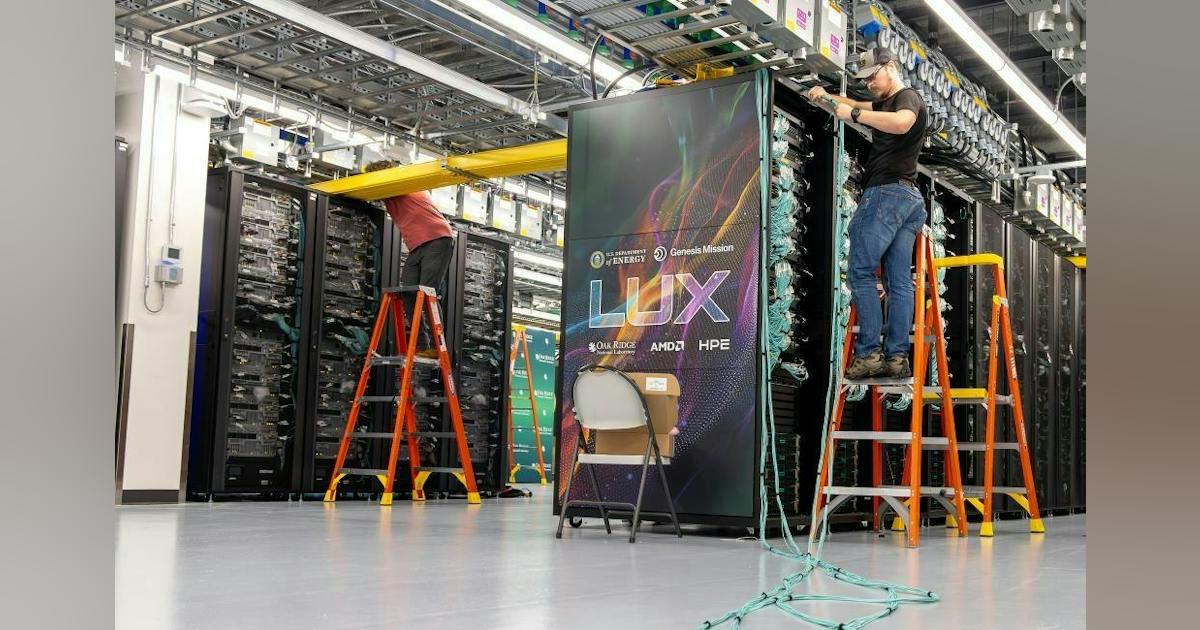
For much of its history, Oak Ridge has been associated with the Manhattan Project and the subsequent development of America’s nuclear research and production capabilities. Established during World War II, the community became home to major facilities for uranium enrichment, nuclear materials processing, scientific research, and ultimately high-performance computing. Today, that legacy is being repurposed for a new generation of industrial development. The former K-25 uranium enrichment complex, once a critical part of the nation’s atomic weapons program, has been transformed into the East Tennessee Technology Park (ETTP), where extensive environmental cleanup and redevelopment have made former federal property available for commercial use. At an October 27 gathering in Oak Ridge, federal officials and nuclear industry representatives highlighted more than $15 billion in announced nuclear-related projects across the region, an investment wave subsequently documented in a November 17 DOE report on Oak Ridge’s emerging energy hub. The investment figure largely represents planned private-sector development rather than completed capital spending. Regional officials also anticipate demand for thousands of construction workers over the next five years, with additional permanent manufacturing and operating positions potentially following as projects advance. In March, DOE completed its largest Oak Ridge land transfer to date, conveying more than 700 acres for economic reuse. The transfer included a 624-acre parcel designated for Orano USA’s planned uranium enrichment complex and a 77-acre parcel associated with Oklo’s proposed nuclear fuel recycling development. Overall, more than 2,500 acres have been transferred from federal ownership for redevelopment, following decades of cleanup and the demolition of hundreds of former industrial structures. For nuclear developers, the appeal is straightforward: large industrial sites, existing utility and transportation infrastructure, proximity to federal laboratories, and an established community of nuclear engineers, technicians, researchers, and specialized manufacturers. For data center developers, the implications are somewhat different but no