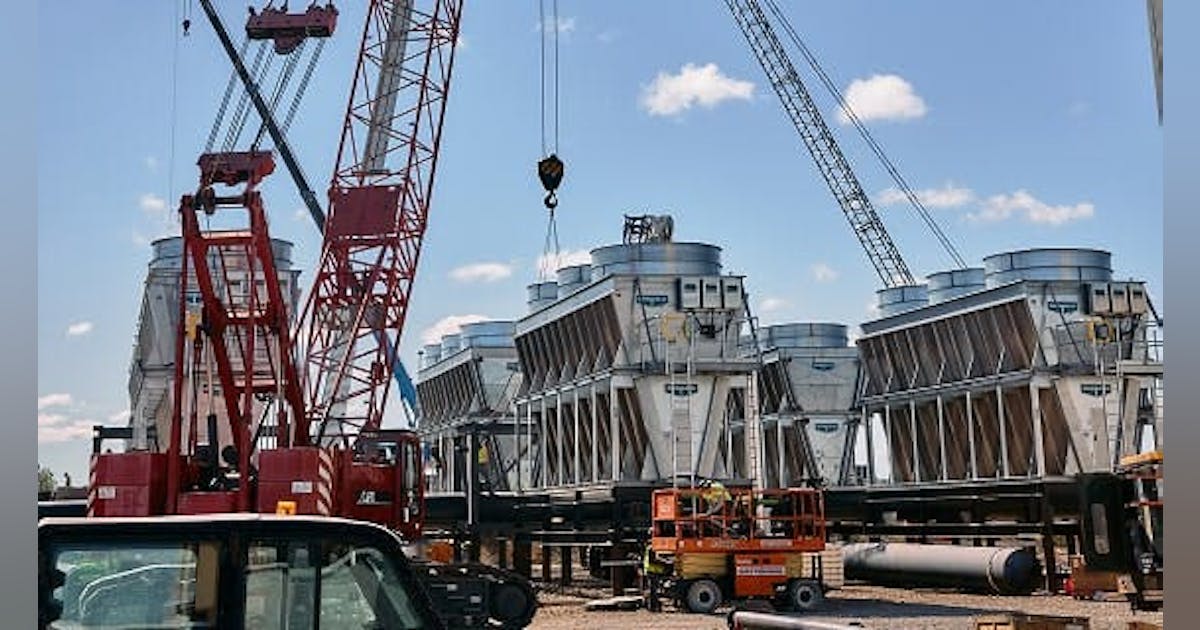
The Hidden Constraints of Delivery If power gets the headlines, supply chain and logistics often decide the schedule. Kleyman notes that a seemingly small missing component can delay a multibillion-dollar facility. A busway, switchgear component, cooling element, or logistics failure can ripple through construction sequencing, commissioning, customer handoff, and revenue recognition. “The weakest link may not be the most expensive component,” he says. That reality receives sustained attention across the Summit agenda. Day One’s “Beyond the Dashboard: Active Exception Management for Hyperscale AI” features CargoSense CEO Rich Kilmer in a live case study examining how organizations are moving beyond passive shipment visibility toward active exception management. For hyperscale AI projects, supply chain disruption is not simply about delayed shipments. It can affect site readiness, construction sequencing, commissioning windows, and the ability to bring capacity online as planned. Day Two’s “The Hidden Constraint: Supply Chains in the Age of AI Infrastructure” continues the discussion, examining how global supply chains are becoming a defining constraint and differentiator in AI data center delivery. The execution lens sharpens again on Day Three with “The Last 90 Days: Solving the Final Infrastructure Bottlenecks Before Go-Live.” This session focuses on the phase where projects can be won or lost: generator delivery, electrical integration, controls validation, startup sequencing, fuel systems, utility coordination, commissioning, and operational readiness. Even projects that have secured power, capital, customers, and equipment can face costly delays if the final stretch is not executed with precision. In the AI infrastructure era, the last 90 days may determine whether a project becomes energized capacity—or another delayed announcement. Capital Meets Execution Reality The Summit also examines whether capital is moving in step with what can actually be built. Day Two’s investment panel, “AI Infrastructure Investment: Bubble, Breakthrough, or Both?” will assess how investors are underwriting risk