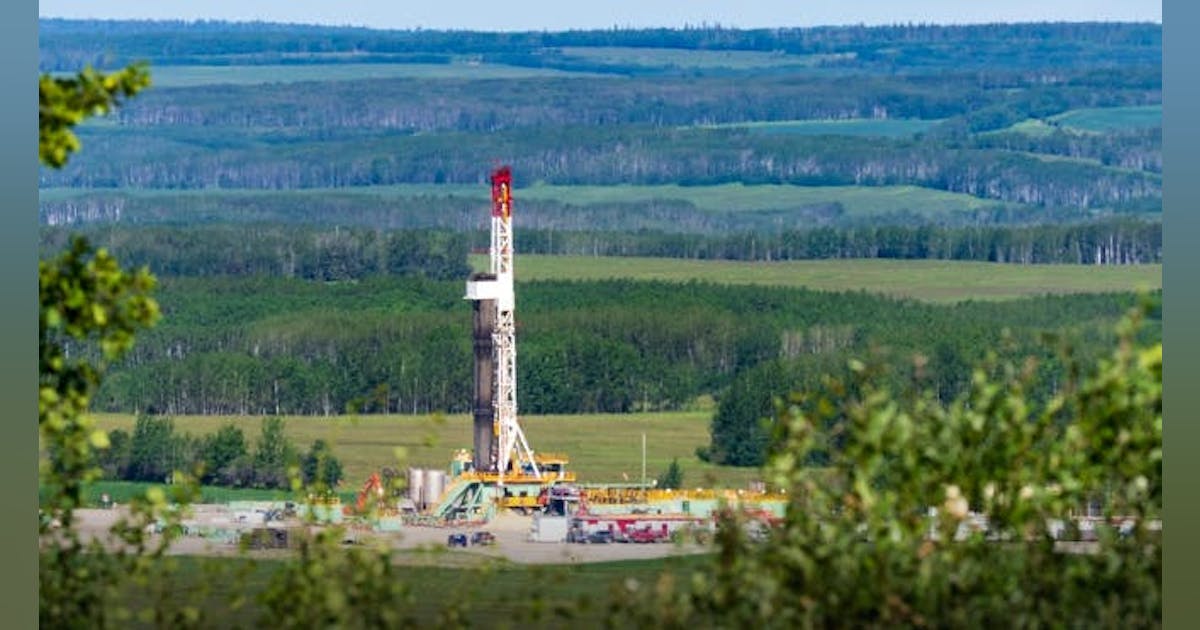
Speaking to analysts and investors on July 24 after Ovintiv reported its second-quarter results, McCracken and his team said the efficiency gains stem from a cocktail of innovations around well designs, development patterns, and the usage of proppants and surfactants, among other things.
“It starts with the culture, that relentless curiosity, not just to come up with innovations ourselves, but to observe them in what’s happening around us. We have this saying in the company that the only infinite rate of return is learning from somebody else’s capital,” McCracken said.
“We really have built that into our culture. It obviously comes from the expertise side, where we’ve created this institutional capability to be able to execute at this leading edge, and that’s really valuable. You can’t replace the years of experience that allow us to perform the logistics, the supply chain, and the engineering geoscience.”
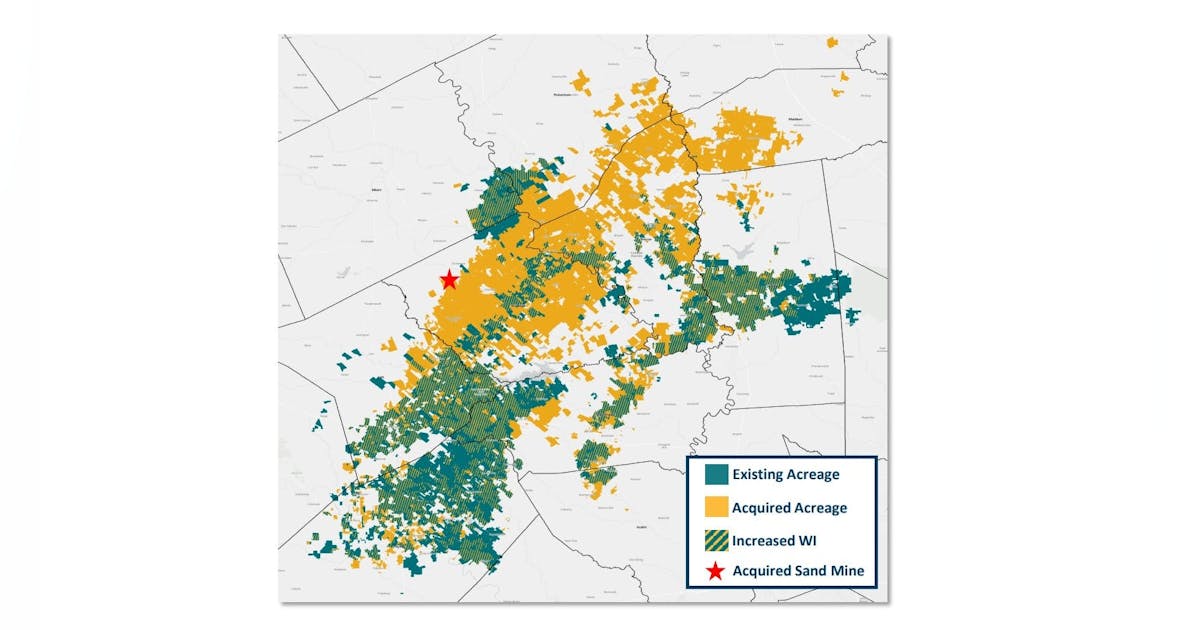
Ovintiv’s inventory of high-return inventory in the Permian now stands at 12-15 years of production and is 15-20 years in the Montney. McCracken noted that the company’s teams have “essentially replaced the 2026 drilling program,” which comprises about 130 wells turned in line in the Permian and roughly 135 in the Montney, by identifying Barnett locations on existing Permian acreage and testing several Montney locations for density.
Ovintiv generated net income of $456 million on total revenues of a little more than $3.0 billion, increases from year-ago numbers of $307 million and $2.3 billion. Operating profits, which don’t include a $337 million loss on the divestiture of the company’s former Anadarko basin assets, jumped to $994 million from $511 million in second-quarter 2025.
Shares of Ovintiv (Ticker: OVV) moved higher on the earnings results and executives’ conference call commentary. Around midday on July 24, they were up about 3% to $63.24. Year to date, they’ve surged more than 60%, pushing the company’s market capitalization to nearly $18 billion.