Self-Sufficiency Becomes a Feature, Not a Risk
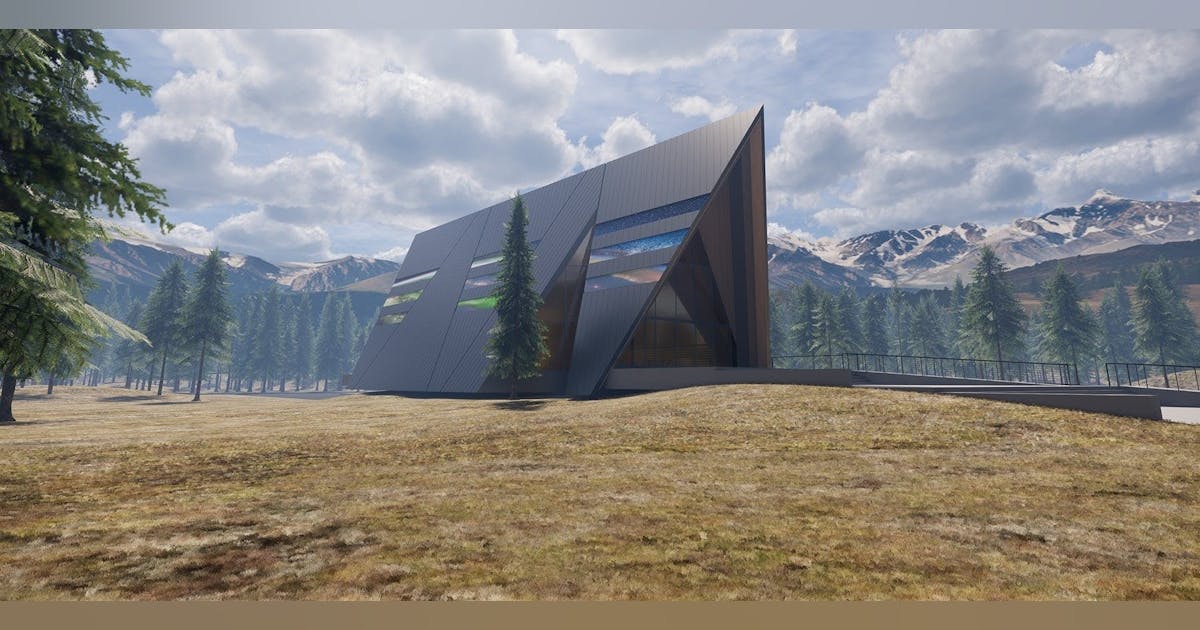
Consider Wyoming’s Project Jade, where county commissioners approved an AI campus tied to 2.7 GW of new natural gas-fired generation being developed by Tallgrass Energy. Reporting from POWER described the project as a “bring your own power” model designed for a high degree of self-sufficiency, with a mix of natural gas generation and Bloom fuel cells. The campus is expected to scale significantly over time.
What stands out is not only the size, but the positioning. Self-sufficiency is becoming a selling point both for developers seeking to de-risk timelines, and for local stakeholders wary of overloading existing utility infrastructure.
Fuel Cells and Nuclear: The Middle Ground and the Long Game
Fuel cells occupy an important middle ground in this shift. Bloom Energy’s 2026 report positions fuel cells as a leading onsite option due to shorter lead times, modular deployment, and lower local emissions. Market activity suggests that interest is real. For developers, fuel cells can be easier to permit than large turbine installations and can be deployed incrementally. That makes them effective as bridge-to-grid solutions or as permanent components of hybrid architectures.
Advanced nuclear remains the most strategically significant, but least immediate, BYOP pathway. Companies including Switch and other data center operators have explored partnerships with Oklo around its Aurora small modular reactor design. Nuclear holds long-term appeal because it offers firm, low-carbon power at scale. But for current AI buildouts, it remains a future option rather than a near-term construction solution. The immediate reality is that gas and modular onsite systems are closing the time-to-power gap, while nuclear is being positioned as a longer-duration successor as licensing and deployment timelines evolve.
The model itself is also evolving. BYOP is beginning to blur the line between developer, energy provider, and compute customer. Reuters recently reported that Microsoft, Chevron, and Engine No. 1 have entered into an exclusivity agreement tied to a proposed West Texas natural gas facility expected to generate up to 2.5 GW. While commercial terms remain in flux, the structure is clear: large compute buyers are moving upstream into generation procurement and structured energy partnerships rather than relying solely on utility service or renewable PPAs.
The Regulatory and Community Reckoning
This shift introduces new tensions for utilities and regulators. Recent discussions in PJM around behind-the-meter generation highlight the challenge. If large loads begin to self-supply, utilities risk losing anticipated demand growth while still being expected to maintain grid readiness and provide partial interconnection. That raises difficult questions: Who pays for transmission upgrades built for loads that may not fully materialize? How should standby and backup service be priced? When does self-supply become a cost shift, and when is it a rational response to delays in grid delivery?
There is also a local political dimension. BYOP may ease strain on constrained grids, but it can intensify concerns around air emissions, water use, noise, land use, and potential ratepayer exposure if dedicated generation is later integrated into the broader system. Pushback around projects in El Paso and the Memphis/Southaven corridor underscores the point. Self-supplied power is not automatically viewed as a community benefit. It can be perceived instead as a private industrial power system operating within a public environmental and regulatory landscape.
The BYOP ethos is now far from any niche workaround. It is becoming an organizing principle for AI-era data center development. Power strategy is moving to the front of the process, shaping site selection around fuel availability, generation pathways, and speed to energization rather than legacy assumptions about grid access. The shift is simple but profound. The old model was “bring your load to the grid.” The new model is “bring your grid to the load.”